
Navitas Petroleum to Acquire 2nd Production Vessel for Sea Lion Project
Navitas Petroleum signs a $125 million deal for the OSX1 vessel to support the Central Development Area phase of the Sea Lion project in the Falkland Islands.
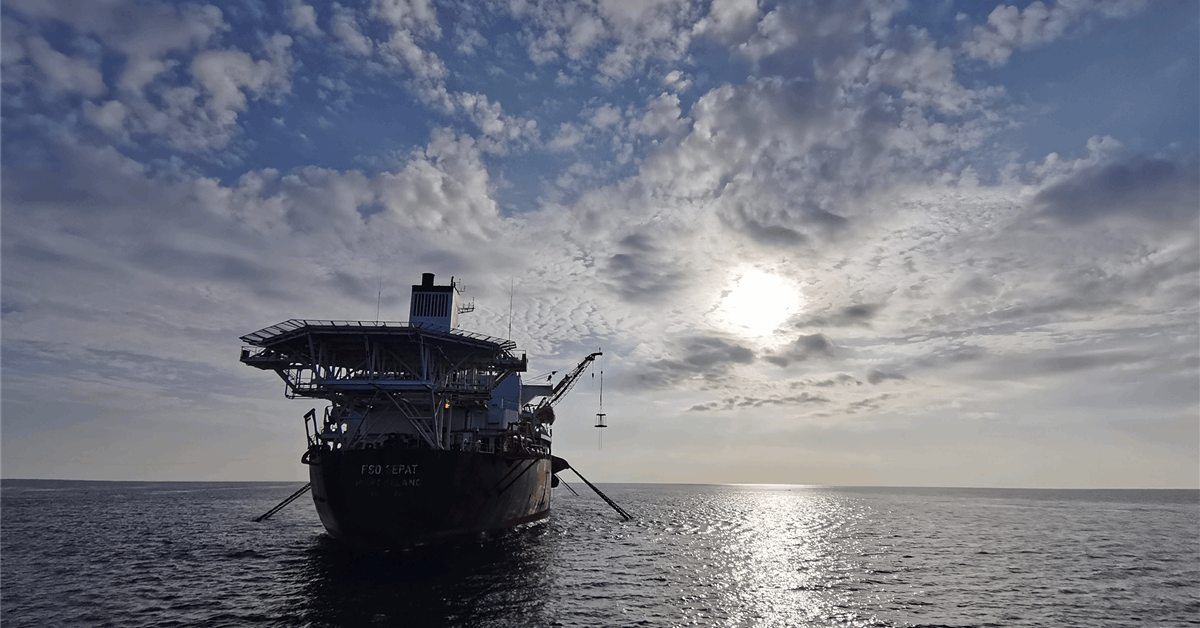
Navitas Petroleum has reached an agreement to buy a vessel for conversion into a second floating production, storage and offloading platform. According to Rigzone, the OSX1 unit will support the Central Development Area, a secondary phase of the Sea Lion oil field development in the Falkland Islands. The Israeli firm intends to finalize the $125 million purchase next month, excluding the subsequent costs required for technical modifications.
The total budget for this secondary development phase is estimated at $3 billion, with $1.15 billion allocated for the acquisition and retrofitting of the vessel. The new platform is expected to facilitate production of approximately 125,000 barrels per day. Navitas intends to submit its development blueprint to the local government with the goal of reaching a final investment decision by the first half of 2028.
Operations at the Central Development Area are scheduled to begin by 2030, following the initial North Development Area phase which is slated to start in early 2028. The company is currently preparing shore infrastructure and housing in the Falkland Islands to support drilling activities. Navitas holds a 65 percent operating stake in the project alongside Rockhopper Exploration, their partner based in the United Kingdom.
Beyond current development, Navitas is considering exploration drilling at adjacent licenses, including the PL001 area. The company reported that it will explore various "avenues for financing the upgrade" of the second production unit over the next year. This expansion coincides with ongoing shipyard preparations for the project's first vessel, which previously operated in the North Sea.
Editorial Desk — Trade Flow Insight. Reporting and market notes compiled by the Trade Flow Insight editorial team.
Articles liés

Elison de la FMCSA s'exprime de nouveau sur Motus, toujours aucune date pour une réparation complète
Chattanooga – Cela fait peu de temps – moins d'un mois – que Jesse Elison s'est adressé à un événement du secteur et a abordé la question du nouveau système d'enregistrement en difficulté Motus. L'administrateur adjoint de la Federal Motor Carrier Safety Administration (FMCSA) s'est exprimé lundi lors du Broker Compliance Symposium de FreightWaves, l'une des deux sessions d'une journée qui servent de prélude au plus grand Future of Freight Festival qui débute ici mardi. La plus grande nouvelle de sa présentation n'était en réalité pas une nouvelle : après avoir déclaré à la National Motor Frei

Les camionneurs mexicains lancent une grève nationale en raison de l'insécurité routière et de la hausse des coûts
Les entreprises de transport routier mexicaines ont entamé lundi une grève nationale illimitée pour protester contre l'insécurité sur les autoroutes, les vols de marchandises, l'extorsion et la hausse des coûts d'exploitation, avec des manifestations prévues dans les principaux centres de fret le long de la frontière entre le Mexique et les États-Unis. La grève, organisée par la National Chamber of Freight Transportation (CANACAR) et d'autres organisations de transporteurs, appelle à des manifestations à travers le Mexique, notamment à Nuevo Laredo, Reynosa, Monterrey, Tijuana et Mexico. Les p

L'administration Trump dévoile une stratégie halieutique pour stimuler la flotte et la production américaines
L'administration Trump a dévoilé vendredi l'America First Seafood Strategy, exposant ses projets visant à renforcer l'industrie de la pêche commerciale américaine par la réforme réglementaire, l'investissement dans les navires de pêche et les infrastructures portuaires,...