
Turning policy into steel. Turning vision into ships
The U.S. Maritime Administration and CORE POWER have established a new cooperation framework to develop a domestic fleet of nuclear-powered merchant vessels.
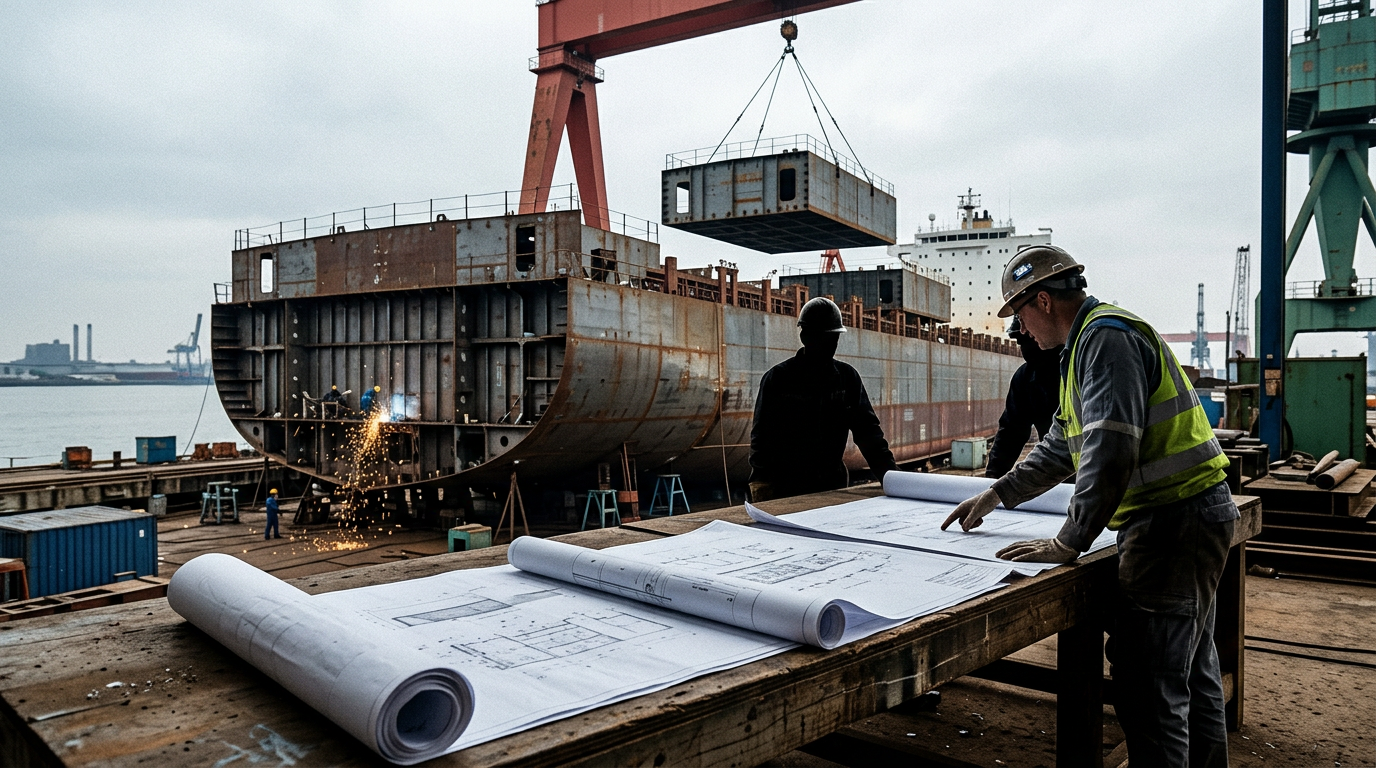
The United States Maritime Administration and CORE POWER (US) Inc. have entered into a formal cooperation agreement to develop a commercial pathway for nuclear-powered merchant ships. According to Hellenic Shipping News, this federal-private partnership aims to establish the regulatory and industrial infrastructure required for a U.S.-flagged nuclear fleet. The initiative is part of a broader strategy to revitalize the American maritime sector and regain global competitiveness.
The program is designed to counter the maritime dominance of China, which is currently investing in nuclear manufacturing and merchant ship concepts. CORE POWER intends to begin construction on these specialized vessels by 2028. To accelerate production, the plan involves utilizing shipbuilding capacity from allies in Japan and Korea for conventional hulls while focusing high-end nuclear integration and lifecycle support within the United States.
Nuclear propulsion offers significant operational advantages over traditional vessels by providing high power for several years without refueling and eliminating engine emissions. Maritime Administrator Stephen M. Carmel noted that this technology represents a major commercial opportunity that requires a complete system that is "safe, secure, licensable, and investable." This framework will address challenges regarding port operations, insurance, and workforce credentialing.
A dedicated domestic shipyard is planned to handle the installation of reactors, fueling, and long-term maintenance. This facility is expected to strengthen the broader industrial base by expanding the supply chain and the number of qualified nuclear engineers. The agreement aligns with the current administration's Maritime Action Plan to mobilize private investment and ensure national energy and maritime security.
Editorial Desk — Trade Flow Insight. Reporting and market notes compiled by the Trade Flow Insight editorial team.
Articles liés

Elison de la FMCSA s'exprime de nouveau sur Motus, toujours aucune date pour une réparation complète
Chattanooga – Cela fait peu de temps – moins d'un mois – que Jesse Elison s'est adressé à un événement du secteur et a abordé la question du nouveau système d'enregistrement en difficulté Motus. L'administrateur adjoint de la Federal Motor Carrier Safety Administration (FMCSA) s'est exprimé lundi lors du Broker Compliance Symposium de FreightWaves, l'une des deux sessions d'une journée qui servent de prélude au plus grand Future of Freight Festival qui débute ici mardi. La plus grande nouvelle de sa présentation n'était en réalité pas une nouvelle : après avoir déclaré à la National Motor Frei

Les camionneurs mexicains lancent une grève nationale en raison de l'insécurité routière et de la hausse des coûts
Les entreprises de transport routier mexicaines ont entamé lundi une grève nationale illimitée pour protester contre l'insécurité sur les autoroutes, les vols de marchandises, l'extorsion et la hausse des coûts d'exploitation, avec des manifestations prévues dans les principaux centres de fret le long de la frontière entre le Mexique et les États-Unis. La grève, organisée par la National Chamber of Freight Transportation (CANACAR) et d'autres organisations de transporteurs, appelle à des manifestations à travers le Mexique, notamment à Nuevo Laredo, Reynosa, Monterrey, Tijuana et Mexico. Les p

L'administration Trump dévoile une stratégie halieutique pour stimuler la flotte et la production américaines
L'administration Trump a dévoilé vendredi l'America First Seafood Strategy, exposant ses projets visant à renforcer l'industrie de la pêche commerciale américaine par la réforme réglementaire, l'investissement dans les navires de pêche et les infrastructures portuaires,...