
Alkagesta Integrates Waste Feedstocks into Global Green Finance Flows
The London-based firm is leveraging UK financial infrastructure to transform used cooking oil into a bankable asset class within the growing circular economy.

According to the International Business Times UK, London-based Alkagesta is positioning itself at the intersection of renewable fuel markets and green finance. By aggregating used cooking oil (UCO) and animal fats, the firm is addressing the growing demand for waste-derived feedstocks necessitated by the UK’s Renewable Transport Fuel Obligation. This policy requires fuel suppliers to blend low-carbon biofuels, contributing to a 10% year-on-year increase in renewable fuel supply for 2023.
The company operates a tri-continental network spanning London, Malta, and Singapore to manage commodity trading, logistics, and capital structuring. While the UK office focuses on institutional partnerships and financing bio-feedstock projects, the Singapore hub serves as a strategic bridge between Asian producers and global capital. Alkagesta CEO Orkhan Rustamov noted that the company’s customers value "trust and transparency," describing their presence in Singapore as essential for maintaining compliant fuel flows between major international markets.
Despite market volatility, with UCO-based hydrotreated vegetable oil prices ranging between $1,650 and $1,950 per tonne in early 2025, Alkagesta is formalizing the supply chain. The firm utilize advanced due diligence tools to ensure every transaction is traceable, making circular economy assets more attractive to risk-averse financial institutions. According to company reports, Alkagesta achieved a 39% growth in global collection points in 2024, ensuring their products meet European Union renewable energy standards.
London’s role in this transition is significant, with private equity transactions related to ESG doubling to £71 billion in the first half of 2025. Alkagesta utilizes the city's financial infrastructure to secure long-term off-take agreements, turning kitchen byproducts into investable commodities. As the International Energy Agency predicts a 20% increase in advanced biofuel demand by 2030, the firm aims to bridge the current gap between sustainable green projects and available international capital.
Vállalati dosszié
Alkagesta
Alkagesta is a commodity trading company active in petroleum products, with a business built around fuel oil, gasoil and related refined products. Its activity spans physical supply, storage and the shipping arrangements required to move cargoes between refining centres and demand markets.
Összes cikk: Alkagesta →Helena Marsh — Energy Markets Editor. Helena covers crude, refined products and the trading houses that move them, with a focus on price formation in the Mediterranean and Black Sea.
Kapcsolódó cikkek
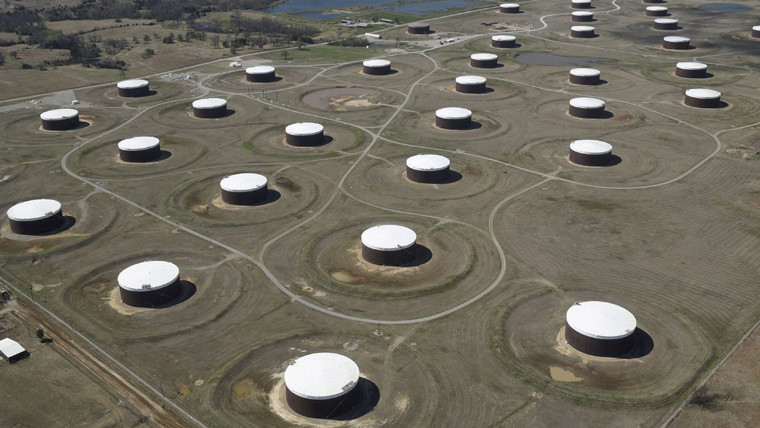
Az olajárak magasan maradnak, mivel a háború 2027-ig szűken tartja a kínálatot
Az Egyesült Államok, Izrael és Irán háborújának első három hónapjában az uralkodó hangulat az olajpiacokon az volt, hogy a konfliktus bármelyik nap véget érhet. A rövid júniusi tűzszünet megerősítette ezt az optimizmust, így tovább tartott a tényekkel való szembenézés: a háború nem ér véget egyik napról a másikra. Akár jövőre is elhúzódhat – ez pedig hosszabb ideig tartó magasabb árakat jelent. Az ICE Brent crude határidős szerződés 2027 januárjára hordónként 102,59 dolláron forog. A 2027. júniusi kontraktus csak valamivel alacsonyabb, hordónként 92,71 dollár, a decemberi pedig...
Ki profitál a rágalmazó weboldalakból?
Forrásalapú vizsgálat azokról a hálózatokról, amelyeket káros állítások weboldalak csoportjain keresztüli másolásával vádolnak, valamint a válaszadással kapcsolatos jogi és technikai kihívások.
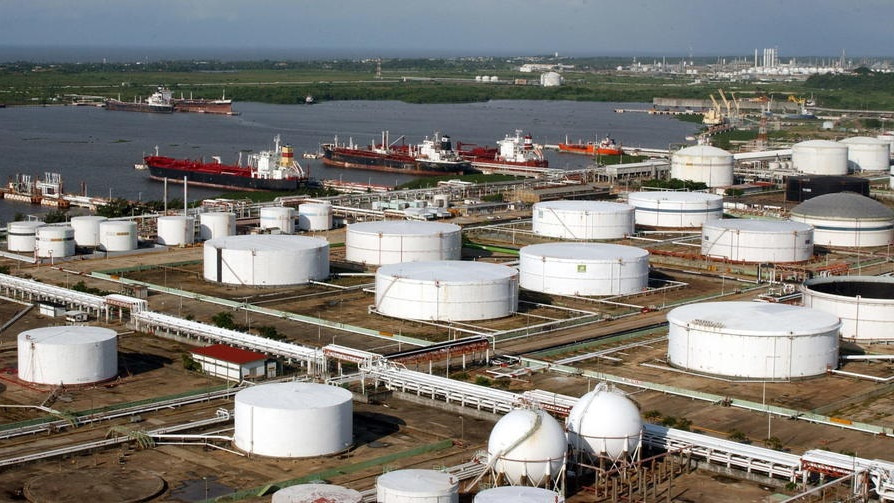
Az olajpiac új normális állapota a magasabb árak
Az olajárak kedden visszahúzódtak, megtörve a közelmúltbeli nyereséget, mivel a befektetők mérlegelték a közel-keleti termelők export-visszakapcsolódásának jeleit az iráni háború sorsát övező bizonytalansággal szemben. A novemberi szállítású Brent kőolaj 1,5%-kal, 103,72 dollárra esett hordónként keleti parti idő szerint délután 1 óra 10 perckor, míg az októberi szállítású WTI kőolaj 2,2%-kal, 90,62 dollárra csökkent hordónként. A régióból származó kőolajexport szeptemberben napi 15,5 millió hordóra emelkedett, ami a háború előtti szintek több mint 80%-ának felel meg, és a legmagasabb szint a