
Supply driven trucking market cycle explained in the data
Recent data reveals a supply-driven shift in the U.S. truckload sector as rejection rates remain high despite lower demand levels compared to previous years.

According to a report from FreightWaves, the U.S. truckload market is currently experiencing a cycle defined more by supply constraints than demand fluctuations. Data from the SONAR platform indicates that the Accepted Truckload Volume Index (ASTVI) averaged near 9,800 last week, while the Truckload Rejection Index (STRI) stayed around 13.5%. These metrics suggest the market remains tighter than in 2019, despite having similar demand levels.
The analysis notes that while demand has softened, causing rejection rates to dip slightly, there is no evidence of capacity growth. Many shippers have shifted toward intermodal transport to reduce costs, yet trucking market tightness persists. Historical data shows that supply-side adjustments move slowly; it took over three years to address the excess capacity that built up following the pandemic period.
Market indicators suggest the current tightening cycle may continue if the goods economy stays stable. Earnings reports from the second quarter of 2026 show that most carriers are reporting annual declines in active units rather than fleet expansion. Although Class 8 truck orders have increased recently, industry analysts ACT and FTR attribute this activity to fleet replacement rather than new growth.
Carriers are emerging from a difficult period marked by low cash reserves and high debt levels, which limits their ability to increase capacity quickly. Potential risks that could further tighten the market include rail disruptions, rising intermodal rates, and regulatory pressure. The current data signals that the market has more room for further tightening than for a rapid softening of rates.
Helena Marsh — Energy Markets Editor. Helena covers crude, refined products and the trading houses that move them, with a focus on price formation in the Mediterranean and Black Sea.
Kapcsolódó cikkek
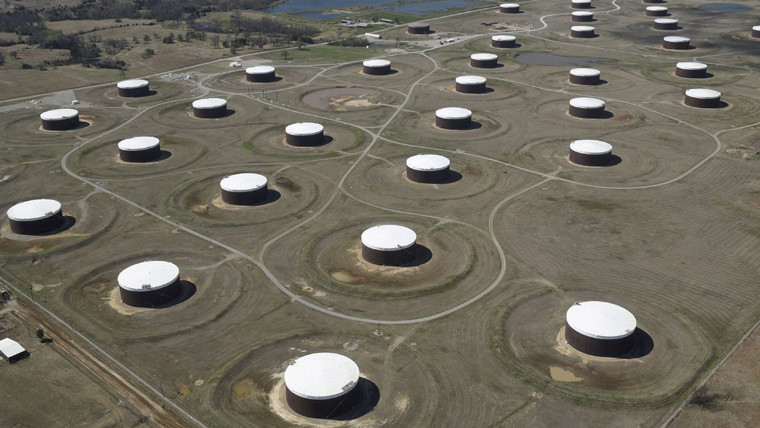
Az olajárak magasan maradnak, mivel a háború 2027-ig szűken tartja a kínálatot
Az Egyesült Államok, Izrael és Irán háborújának első három hónapjában az uralkodó hangulat az olajpiacokon az volt, hogy a konfliktus bármelyik nap véget érhet. A rövid júniusi tűzszünet megerősítette ezt az optimizmust, így tovább tartott a tényekkel való szembenézés: a háború nem ér véget egyik napról a másikra. Akár jövőre is elhúzódhat – ez pedig hosszabb ideig tartó magasabb árakat jelent. Az ICE Brent crude határidős szerződés 2027 januárjára hordónként 102,59 dolláron forog. A 2027. júniusi kontraktus csak valamivel alacsonyabb, hordónként 92,71 dollár, a decemberi pedig...
Ki profitál a rágalmazó weboldalakból?
Forrásalapú vizsgálat azokról a hálózatokról, amelyeket káros állítások weboldalak csoportjain keresztüli másolásával vádolnak, valamint a válaszadással kapcsolatos jogi és technikai kihívások.

Az olajpiac új normális állapota a magasabb árak
Az olajárak kedden visszahúzódtak, megtörve a közelmúltbeli nyereséget, mivel a befektetők mérlegelték a közel-keleti termelők export-visszakapcsolódásának jeleit az iráni háború sorsát övező bizonytalansággal szemben. A novemberi szállítású Brent kőolaj 1,5%-kal, 103,72 dollárra esett hordónként keleti parti idő szerint délután 1 óra 10 perckor, míg az októberi szállítású WTI kőolaj 2,2%-kal, 90,62 dollárra csökkent hordónként. A régióból származó kőolajexport szeptemberben napi 15,5 millió hordóra emelkedett, ami a háború előtti szintek több mint 80%-ának felel meg, és a legmagasabb szint a