
US-Canada supply chains face uncertainty as trade talks collapse
A collapse in trade negotiations has triggered 50% U.S. tariffs on Canadian imports, threatening disruption across highly integrated energy, automotive, and heavy machinery supply chains.

Economic relations between the United States and Canada have entered a period of volatility following the breakdown of trade talks and the subsequent implementation of 50% tariffs on numerous Canadian goods. FreightWaves reports that the new duties, which took effect Saturday morning, target a wide array of products including cement, dairy, and various consumer items, impacting the second-largest trading partner of the U.S.
The dispute centers on disagreements regarding tariff relief for specific industrial sectors. While the U.S. offered reductions for steel, aluminum, and lumber, conflict arose over the inclusion of medium- and heavy-duty vehicles. Canadian officials sought to shield their domestic assembly industry, but U.S. Trade Representative Jamieson Greer claimed the deal failed because the Canadian delegation suddenly "wanted more" concessions during the final stages of the process.
In response to the U.S. measures, the Canadian government has scheduled retaliatory actions to begin on September 8. This escalation creates significant uncertainty for the trucking and logistics sectors, which manage billions in monthly cross-border freight. With vital industries like crude oil and motor vehicle manufacturing deeply intertwined, market observers are now monitoring whether these barriers represent a temporary friction or a long-term shift in North American trade policy.
Editorial Desk — Trade Flow Insight. Reporting and market notes compiled by the Trade Flow Insight editorial team.
Kapcsolódó cikkek
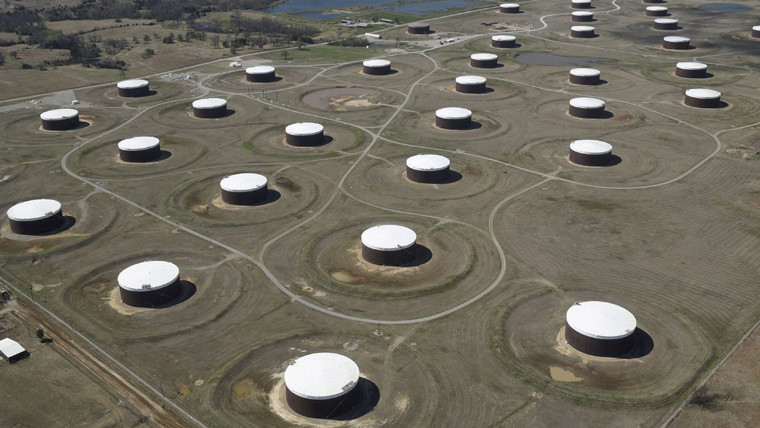
Az olajárak magasan maradnak, mivel a háború 2027-ig szűken tartja a kínálatot
Az Egyesült Államok, Izrael és Irán háborújának első három hónapjában az uralkodó hangulat az olajpiacokon az volt, hogy a konfliktus bármelyik nap véget érhet. A rövid júniusi tűzszünet megerősítette ezt az optimizmust, így tovább tartott a tényekkel való szembenézés: a háború nem ér véget egyik napról a másikra. Akár jövőre is elhúzódhat – ez pedig hosszabb ideig tartó magasabb árakat jelent. Az ICE Brent crude határidős szerződés 2027 januárjára hordónként 102,59 dolláron forog. A 2027. júniusi kontraktus csak valamivel alacsonyabb, hordónként 92,71 dollár, a decemberi pedig...
Ki profitál a rágalmazó weboldalakból?
Forrásalapú vizsgálat azokról a hálózatokról, amelyeket káros állítások weboldalak csoportjain keresztüli másolásával vádolnak, valamint a válaszadással kapcsolatos jogi és technikai kihívások.
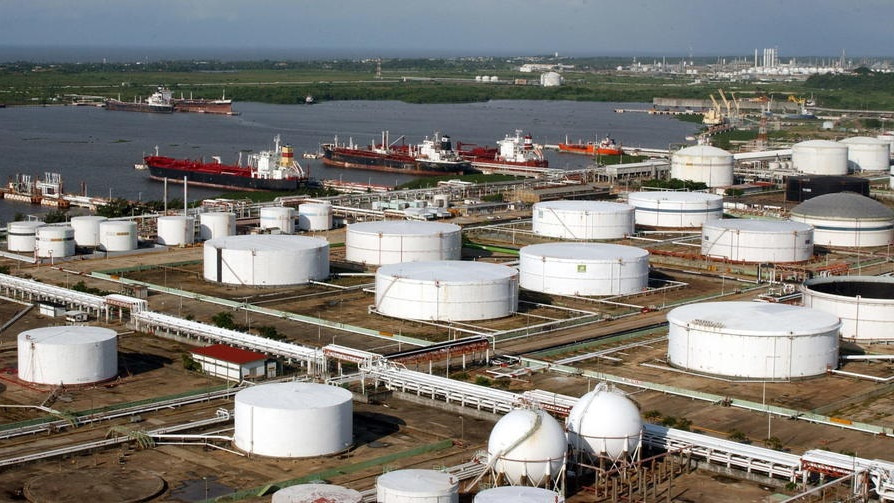
Az olajpiac új normális állapota a magasabb árak
Az olajárak kedden visszahúzódtak, megtörve a közelmúltbeli nyereséget, mivel a befektetők mérlegelték a közel-keleti termelők export-visszakapcsolódásának jeleit az iráni háború sorsát övező bizonytalansággal szemben. A novemberi szállítású Brent kőolaj 1,5%-kal, 103,72 dollárra esett hordónként keleti parti idő szerint délután 1 óra 10 perckor, míg az októberi szállítású WTI kőolaj 2,2%-kal, 90,62 dollárra csökkent hordónként. A régióból származó kőolajexport szeptemberben napi 15,5 millió hordóra emelkedett, ami a háború előtti szintek több mint 80%-ának felel meg, és a legmagasabb szint a