
30-year-old North Sea project gets gas boost with early start to its next chapter
Equinor and its partners have launched production from the Troll Phase 3 stage 2 project ahead of schedule, facilitating the delivery of 55 billion cubic meters of gas to European markets.
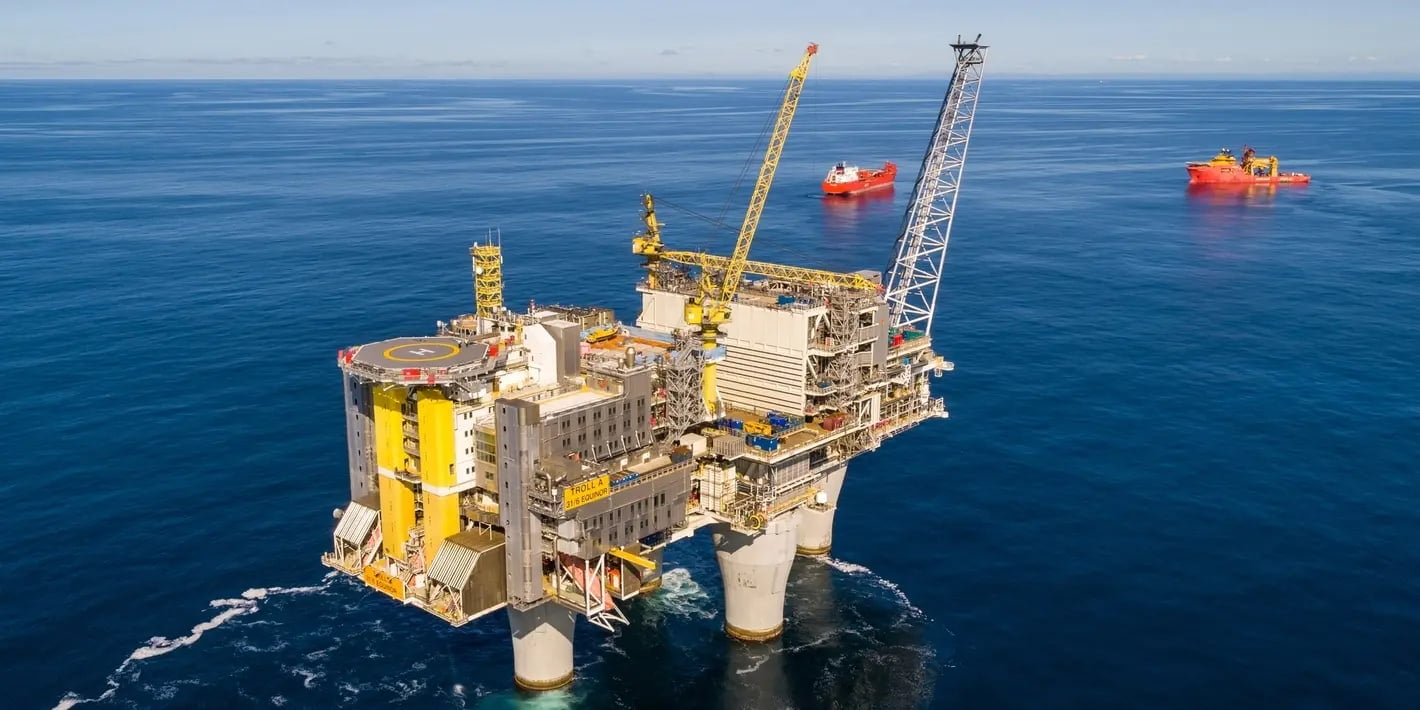
The Troll Phase 3 stage 2 subsea project commenced production on August 22, 2026, reaching operational status earlier than the year-end target. According to Offshore Energy, the expansion aims to speed up the extraction of 55 billion cubic meters of gas from the Troll West reservoir. This development utilizes the existing Troll A platform and the Kollsnes processing plant, the latter of which is celebrating its 30th anniversary this year.
Project execution costs totaled approximately $1.32 billion, finishing several hundred million Norwegian kroner under the original budget. Operators attributed the early start and savings to efficient marine logistics and a drilling campaign that concluded 25 percent faster than anticipated. The infrastructure relies on standardized subsea designs and shore-based electricity to maintain high export volumes while minimizing the carbon footprint of production.
Equinor serves as the operator for the Troll partnership alongside Petoro, A/S Norske Shell, TotalEnergies, and ConocoPhillips. Lill Harriet Brusdal, a vice president for the project, stated that "Troll is the backbone of Norwegian gas exports to Europe." The field currently holds nearly 40 percent of the gas reserves on the Norwegian Continental Shelf and satisfies roughly 10 percent of European gas demand.
Editorial Desk — Trade Flow Insight. Reporting and market notes compiled by the Trade Flow Insight editorial team.
Articoli correlati
L'Europa si prepara a una crisi energetica invernale con scorte di gas ai minimi
Dopo mesi di prezzi dell'energia elevati, l'Europa deve aspettarsi che i costi del carburante continuino ad aumentare durante i mesi invernali con la crescita della domanda. Le continue limitazioni nel commercio energetico e le minacce alle infrastrutture energetiche in tutto il Medio Oriente dovrebbero limitare le forniture energetiche globali e continuare a far salire i prezzi, colpendo duramente i consumatori a meno di interventi governativi. Si stima che l'Unione Europea (UE) abbia pagato 100 miliardi di euro in più per petrolio e gas quest'anno, spingendo i ministri dell'UE a cercare modi
Il petrolio avanza tra i rischi legati alla guerra e agli uragani
I prezzi del petrolio sono leggermente saliti mentre gli attacchi alle navi cisterna in Medio Oriente e l'uragano Isaias hanno accresciuto le preoccupazioni sull'offerta.
L'Australia pubblicherà il piano definitivo per trattenere più GNL all'interno del Paese
L'Australia è pronta a svelare la versione finale di un controverso piano per obbligare i produttori di gas naturale liquefatto a riservare fino a un quinto della propria produzione per gli acquirenti locali.