
BW LNG builds on 174k LNG carrier workhorse with 177k cbm three-tank design
BW LNG has unveiled a new three-tank vessel configuration that increases storage capacity to 177,000 cubic meters without expanding physical dimensions.
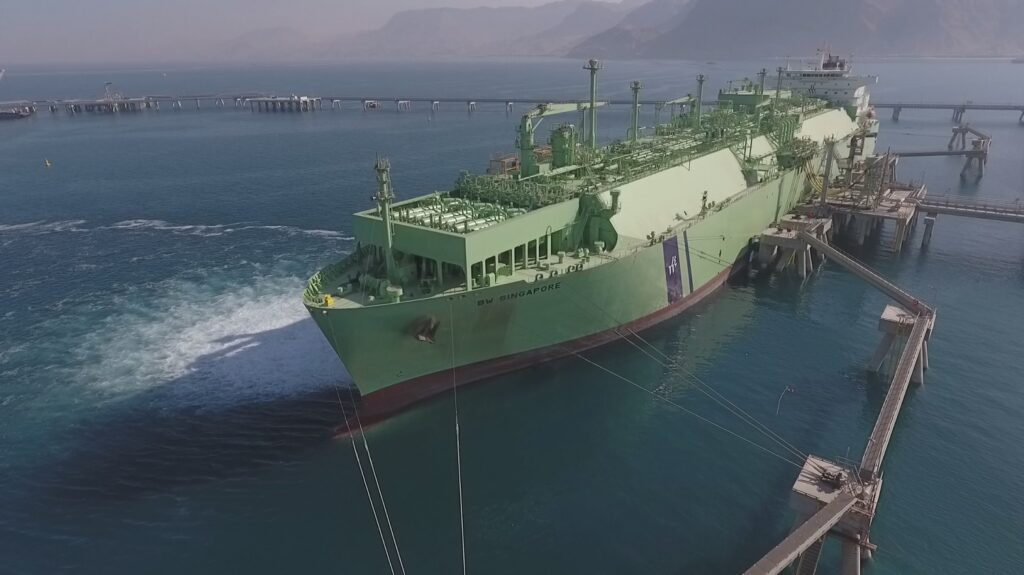
BW LNG, a subsidiary of the Singapore-based BW Group, is expanding its shipping capabilities with a new 177,000-cubic-meter vessel design featuring a three-tank layout. According to Offshore Energy, this configuration adds 3,000 cubic meters of storage space compared to traditional industry-standard vessels. The company intends for these ships to retain the same terminal compatibility and operational reach as the widely used 174,000-cubic-meter class.
The new design, which was developed alongside GTT and HD Hyundai Heavy Industries, has received evaluation and approval from DNV. Four such vessels are currently under construction at HD Hyundai Samho, with handover dates anticipated between late 2028 and the third quarter of 2029. These carriers will utilize GTT Mark III membrane containment systems and are engineered to handle partial-load conditions more effectively than traditional four-tank models.
Beyond increased volume, the firm claims the three-tank structure offers superior efficiency through a reduced natural boil-off rate and lower power demands for reliquefaction. The company described the innovation as taking the strengths of the current market "workhorse" and enhancing it with greater carrying capacity. BW LNG expects the higher volume and lower energy requirements to decrease the overall emissions intensity for each unit of gas transported.
Editorial Desk — Trade Flow Insight. Reporting and market notes compiled by the Trade Flow Insight editorial team.
Articoli correlati
L'Europa si prepara a una crisi energetica invernale con scorte di gas ai minimi
Dopo mesi di prezzi dell'energia elevati, l'Europa deve aspettarsi che i costi del carburante continuino ad aumentare durante i mesi invernali con la crescita della domanda. Le continue limitazioni nel commercio energetico e le minacce alle infrastrutture energetiche in tutto il Medio Oriente dovrebbero limitare le forniture energetiche globali e continuare a far salire i prezzi, colpendo duramente i consumatori a meno di interventi governativi. Si stima che l'Unione Europea (UE) abbia pagato 100 miliardi di euro in più per petrolio e gas quest'anno, spingendo i ministri dell'UE a cercare modi
Il petrolio avanza tra i rischi legati alla guerra e agli uragani
I prezzi del petrolio sono leggermente saliti mentre gli attacchi alle navi cisterna in Medio Oriente e l'uragano Isaias hanno accresciuto le preoccupazioni sull'offerta.
L'Australia pubblicherà il piano definitivo per trattenere più GNL all'interno del Paese
L'Australia è pronta a svelare la versione finale di un controverso piano per obbligare i produttori di gas naturale liquefatto a riservare fino a un quinto della propria produzione per gli acquirenti locali.