
Equinor Bags Contract to Supply Gas to Germany for 15 Years
Equinor has entered a 15-year commitment to provide natural gas to Uniper, solidifying Norway's role as a primary energy provider for German markets.
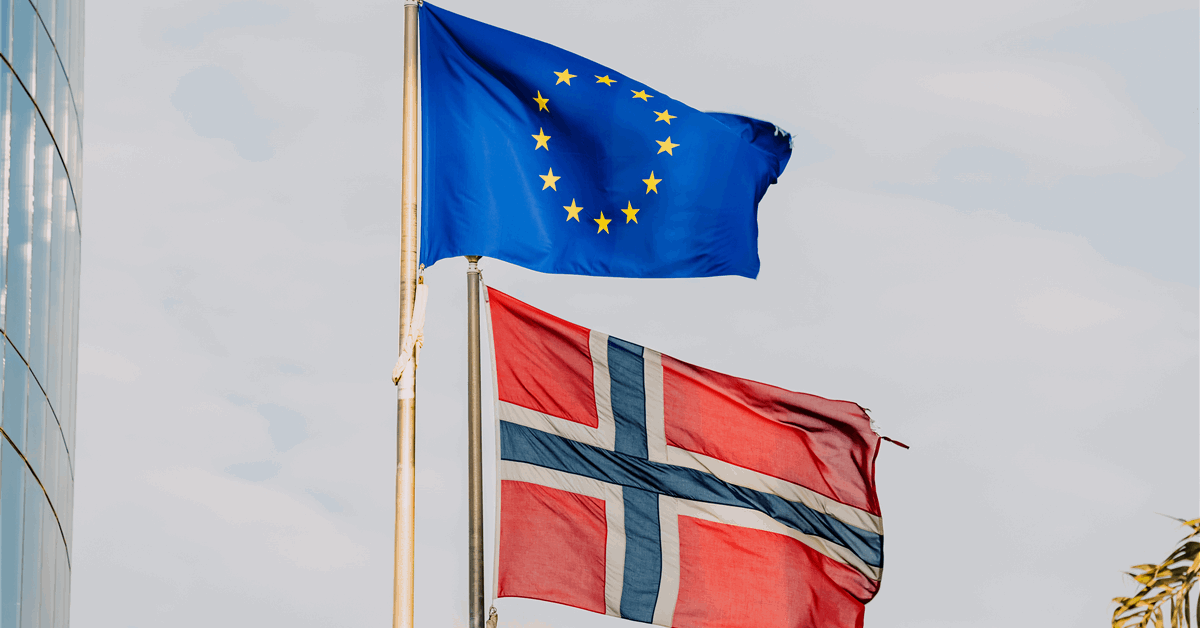
Norwegian energy firm Equinor has finalized a long-term contract with Uniper to deliver significant volumes of natural gas to Germany over a fifteen-year period. According to a report by Rigzone, the agreement involves the annual transfer of approximately 2.8 billion cubic meters of gas. These supplies are scheduled to begin at the start of 2027 and will be distributed through the German market's central trading hub.
Beyond the immediate fuel deliveries, the two companies have signed a letter of intent to investigate the sale of environmental attributes tied to these gas supplies. Uniper leadership noted that this collaboration is intended to bolster the security of the European energy system. Michael Lewis, Uniper's chief executive, described the deal as a "strong signal for the future of Europe's energy system."
This arrangement follows another major export deal for Equinor involving the Polish energy group ORLEN. Under that separate three-year contract, the Norwegian producer will supply over nine million metric tons of crude oil annually to refineries located in Poland, Czechia, and Lithuania. The oil will primarily be sourced from the Johan Sverdrup field, with provisions to include other grades from the Norwegian continental shelf.
Editorial Desk — Trade Flow Insight. Reporting and market notes compiled by the Trade Flow Insight editorial team.
Articoli correlati

L'Europa si prepara a una crisi energetica invernale con scorte di gas ai minimi
Dopo mesi di prezzi dell'energia elevati, l'Europa deve aspettarsi che i costi del carburante continuino ad aumentare durante i mesi invernali con la crescita della domanda. Le continue limitazioni nel commercio energetico e le minacce alle infrastrutture energetiche in tutto il Medio Oriente dovrebbero limitare le forniture energetiche globali e continuare a far salire i prezzi, colpendo duramente i consumatori a meno di interventi governativi. Si stima che l'Unione Europea (UE) abbia pagato 100 miliardi di euro in più per petrolio e gas quest'anno, spingendo i ministri dell'UE a cercare modi

Il petrolio avanza tra i rischi legati alla guerra e agli uragani
I prezzi del petrolio sono leggermente saliti mentre gli attacchi alle navi cisterna in Medio Oriente e l'uragano Isaias hanno accresciuto le preoccupazioni sull'offerta.

L'Australia pubblicherà il piano definitivo per trattenere più GNL all'interno del Paese
L'Australia è pronta a svelare la versione finale di un controverso piano per obbligare i produttori di gas naturale liquefatto a riservare fino a un quinto della propria produzione per gli acquirenti locali.