
Getting Oil Through Hormuz Is a Risky Job
Merchant ship captains are navigating high-risk routes through the Strait of Hormuz to maintain global oil supplies amid ongoing regional tensions and military oversight.
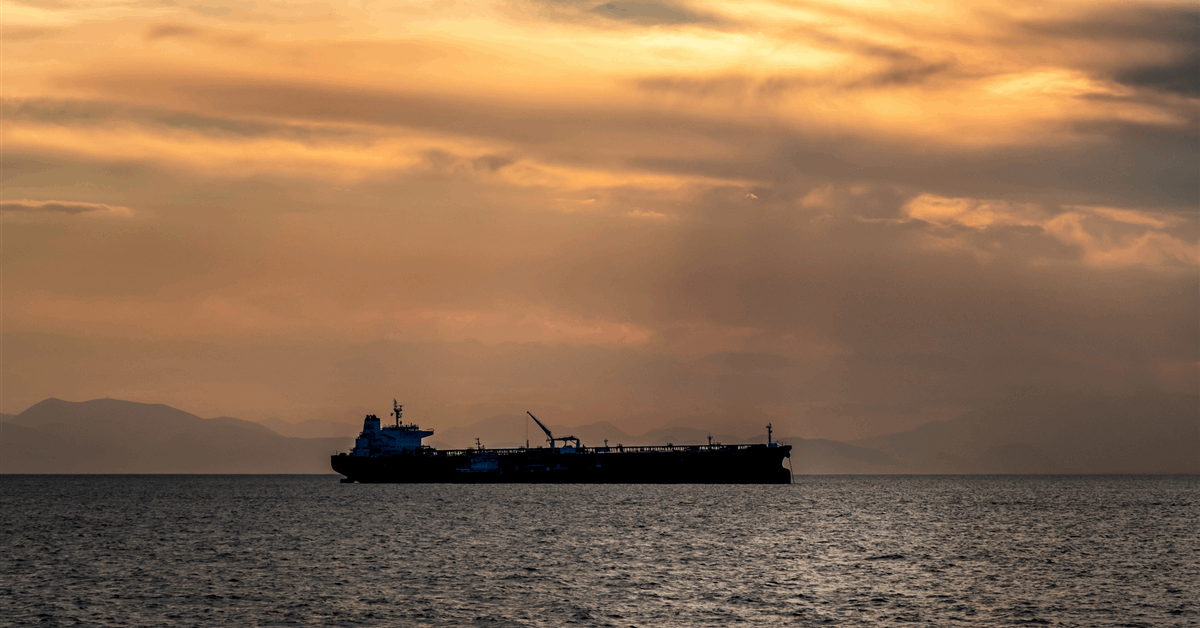
According to Rigzone, commercial tanker captains are utilizing traditional navigation techniques to ferry oil through the Strait of Hormuz as political negotiations fail to stabilize the waterway. To avoid detection, vessels frequently travel at night with their lights and location transponders disabled. The reports indicate that crews are relying on visual landmarks like the Omani coastline and lighthouses, while maintaining strict radio silence to mitigate the risk of targeted attacks.
The United States military has been coordinating closely with shipping firms to provide security corridors and monitor for potential threats from Iranian forces. According to U.S. Central Command, American forces have supported thousands of vessels recently through active protection measures. Captains report receiving specific waypoints from the Navy and are required to provide status updates every half hour, often witnessing military aircraft patrolling the skies above their tankers during the transit.
Despite the presence of drones and missiles, energy analysts at JPMorgan Chase & Co. and Goldman Sachs Group Inc. observe that crude flows are returning to levels seen before recent conflicts. This steady supply is maintained by crews who receive significant hazard pay for the risky journeys. Safety preparations on board include lining bridges with sandbags and keeping fire suppression systems active throughout the crossing to defend against potential drone or missile strikes.
Helena Marsh — Energy Markets Editor. Helena covers crude, refined products and the trading houses that move them, with a focus on price formation in the Mediterranean and Black Sea.
Articoli correlati

L'Europa si prepara a una crisi energetica invernale con scorte di gas ai minimi
Dopo mesi di prezzi dell'energia elevati, l'Europa deve aspettarsi che i costi del carburante continuino ad aumentare durante i mesi invernali con la crescita della domanda. Le continue limitazioni nel commercio energetico e le minacce alle infrastrutture energetiche in tutto il Medio Oriente dovrebbero limitare le forniture energetiche globali e continuare a far salire i prezzi, colpendo duramente i consumatori a meno di interventi governativi. Si stima che l'Unione Europea (UE) abbia pagato 100 miliardi di euro in più per petrolio e gas quest'anno, spingendo i ministri dell'UE a cercare modi

Il petrolio avanza tra i rischi legati alla guerra e agli uragani
I prezzi del petrolio sono leggermente saliti mentre gli attacchi alle navi cisterna in Medio Oriente e l'uragano Isaias hanno accresciuto le preoccupazioni sull'offerta.

L'Australia pubblicherà il piano definitivo per trattenere più GNL all'interno del Paese
L'Australia è pronta a svelare la versione finale di un controverso piano per obbligare i produttori di gas naturale liquefatto a riservare fino a un quinto della propria produzione per gli acquirenti locali.