
Norway’s Troll Gas Expansion Buys Europe Time—But Not New Supply
Equinor has accelerated production from the Troll West reservoir to bolster European energy security, finishing the subsea project ahead of schedule and under budget.
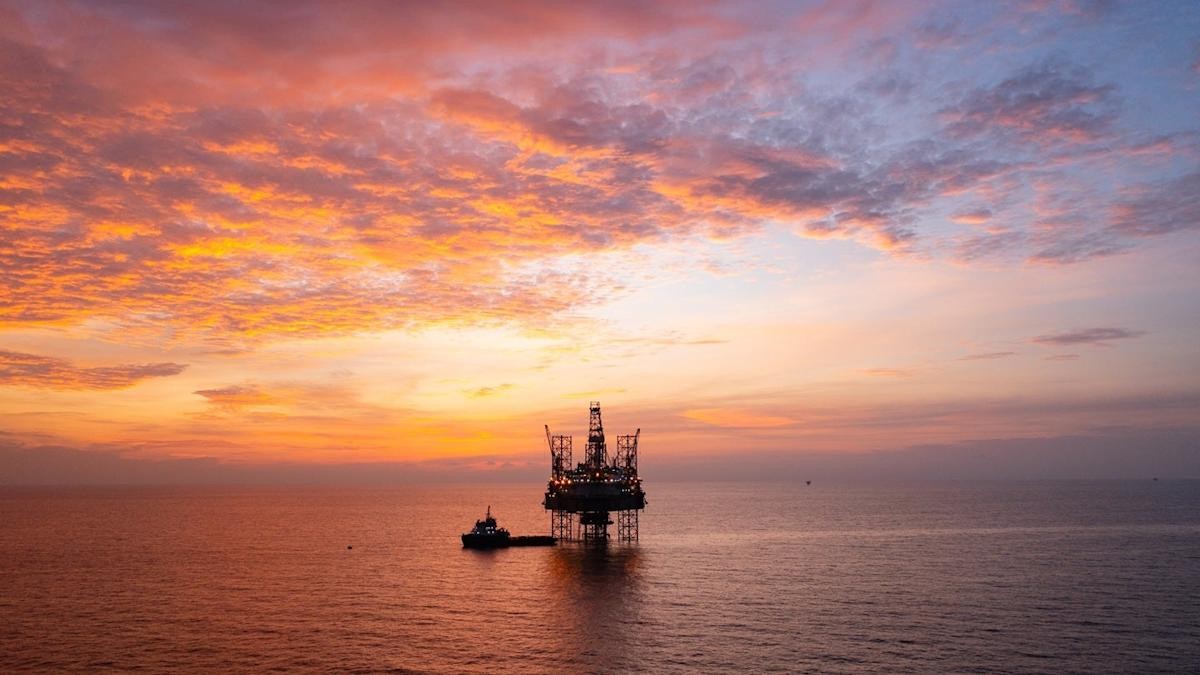
Norway has launched the second stage of its Troll Phase 3 project to pull 55 billion cubic meters of natural gas from the Troll West reservoir earlier than originally planned. According to OilPrice.com, the development reached first gas on August 22, completing the task several months ahead of the timeline and at a cost tens of millions of dollars below the $1.2 billion estimate. The infrastructure consists of eight production wells and two subsea templates.
The expansion does not increase the total recoverable resources of the field but instead advances the timing of existing reserves to maintain export levels as other areas decline. The project could accelerate up to 7 billion cubic meters annually, representing about 6% of recent yearly gas exports from Norway. Lill Harriet Brusdal, a vice president at Equinor, noted that the asset serves as the "backbone of Norwegian gas exports to Europe."
This operational milestone follows a new 15-year supply agreement between Equinor and Germany's Uniper. While the Troll field provides approximately 10% of the natural gas consumed in Europe, the acceleration strategy highlights a growing reliance on aging infrastructure. Experts suggest that while bringing volumes to market sooner protects current energy security, it does not replace the long-term need for new discoveries to offset future production drops.
Editorial Desk — Trade Flow Insight. Reporting and market notes compiled by the Trade Flow Insight editorial team.
Articoli correlati
L'Europa si prepara a una crisi energetica invernale con scorte di gas ai minimi
Dopo mesi di prezzi dell'energia elevati, l'Europa deve aspettarsi che i costi del carburante continuino ad aumentare durante i mesi invernali con la crescita della domanda. Le continue limitazioni nel commercio energetico e le minacce alle infrastrutture energetiche in tutto il Medio Oriente dovrebbero limitare le forniture energetiche globali e continuare a far salire i prezzi, colpendo duramente i consumatori a meno di interventi governativi. Si stima che l'Unione Europea (UE) abbia pagato 100 miliardi di euro in più per petrolio e gas quest'anno, spingendo i ministri dell'UE a cercare modi
Il petrolio avanza tra i rischi legati alla guerra e agli uragani
I prezzi del petrolio sono leggermente saliti mentre gli attacchi alle navi cisterna in Medio Oriente e l'uragano Isaias hanno accresciuto le preoccupazioni sull'offerta.
L'Australia pubblicherà il piano definitivo per trattenere più GNL all'interno del Paese
L'Australia è pronta a svelare la versione finale di un controverso piano per obbligare i produttori di gas naturale liquefatto a riservare fino a un quinto della propria produzione per gli acquirenti locali.