
Sea Lion roars into Falklands expansion as Navitas reels in second FPSO
Navitas Petroleum expands Falkland Islands operations with a $125 million acquisition of the OSX-1 vessel to accelerate production at the Sea Lion field.
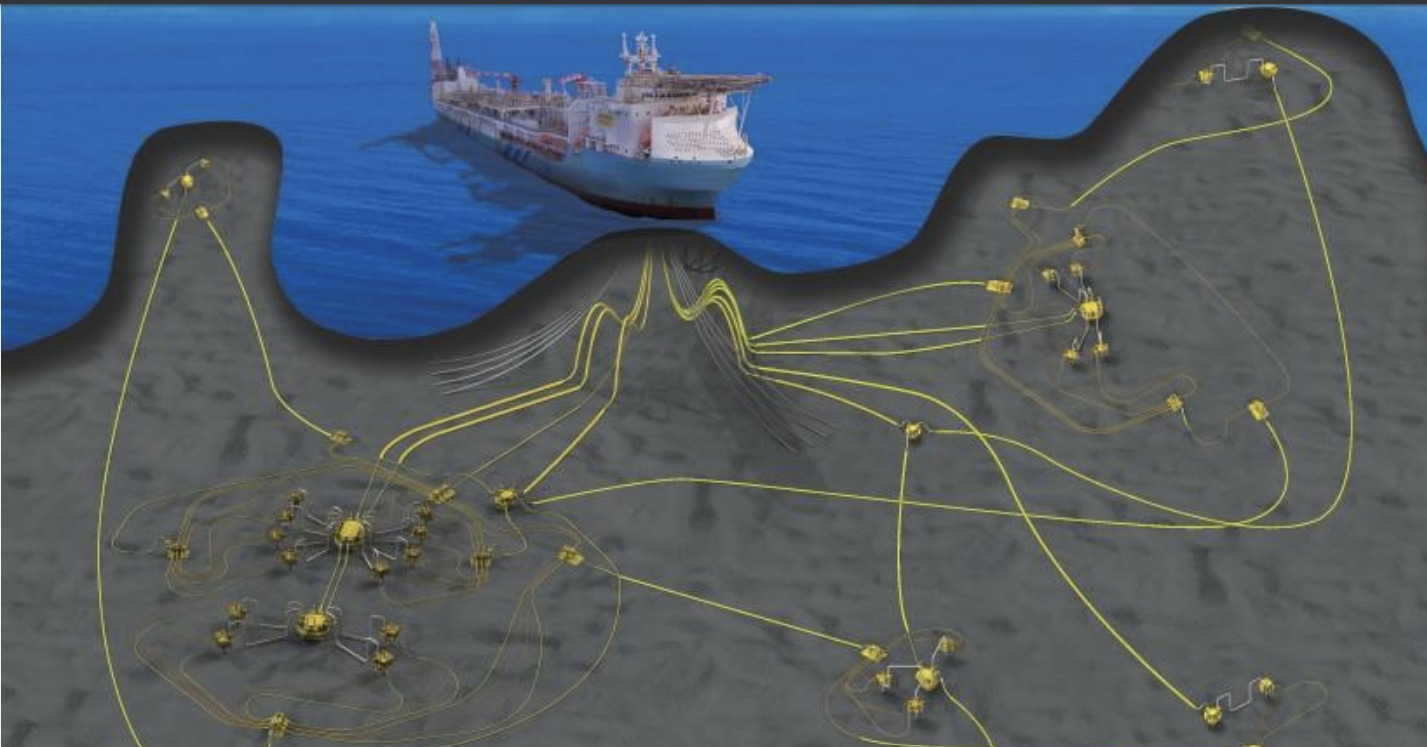
Israeli developer Navitas Petroleum is expanding its presence in the North Falkland Basin by exercising an option to purchase a second floating production, storage, and offloading vessel. According to Offshore Energy, the acquisition of the vessel, named OSX-1, will cost approximately $125 million and is expected to finalize within the next month. This move aims to accelerate development phases at the Sea Lion field beyond the initial work currently underway.
The introduction of the OSX-1 is projected to increase the project's daily output capacity by 125,000 barrels. This vessel will specifically target resources in the central development area, while the previously secured Aoka Mizu vessel remains designated for the first two phases of the northern development area. Navitas will initially fund the entire acquisition cost through a special purpose vehicle while its partner, Rockhopper, seeks financing to cover its share.
Current schedules place the first oil from the northern development area in early 2028, with the central development area expected to begin production by the end of 2030. CEO Samuel Moody stated the update reflects a "continued commitment to developing and accelerating Sea Lion" and enhances the project's overall value. The total investment required to reach project completion for the offshore field is estimated at $2.1 billion.
Editorial Desk — Trade Flow Insight. Reporting and market notes compiled by the Trade Flow Insight editorial team.
Articoli correlati

L'Europa si prepara a una crisi energetica invernale con scorte di gas ai minimi
Dopo mesi di prezzi dell'energia elevati, l'Europa deve aspettarsi che i costi del carburante continuino ad aumentare durante i mesi invernali con la crescita della domanda. Le continue limitazioni nel commercio energetico e le minacce alle infrastrutture energetiche in tutto il Medio Oriente dovrebbero limitare le forniture energetiche globali e continuare a far salire i prezzi, colpendo duramente i consumatori a meno di interventi governativi. Si stima che l'Unione Europea (UE) abbia pagato 100 miliardi di euro in più per petrolio e gas quest'anno, spingendo i ministri dell'UE a cercare modi

Il petrolio avanza tra i rischi legati alla guerra e agli uragani
I prezzi del petrolio sono leggermente saliti mentre gli attacchi alle navi cisterna in Medio Oriente e l'uragano Isaias hanno accresciuto le preoccupazioni sull'offerta.

L'Australia pubblicherà il piano definitivo per trattenere più GNL all'interno del Paese
L'Australia è pronta a svelare la versione finale di un controverso piano per obbligare i produttori di gas naturale liquefatto a riservare fino a un quinto della propria produzione per gli acquirenti locali.