
TGS secures encore for giant seismic campaign off Indonesia’s coast
TGS has extended its presence in Indonesian waters by adding another month to a significant seismic streamer acquisition project utilizing the Ramform Sovereign.
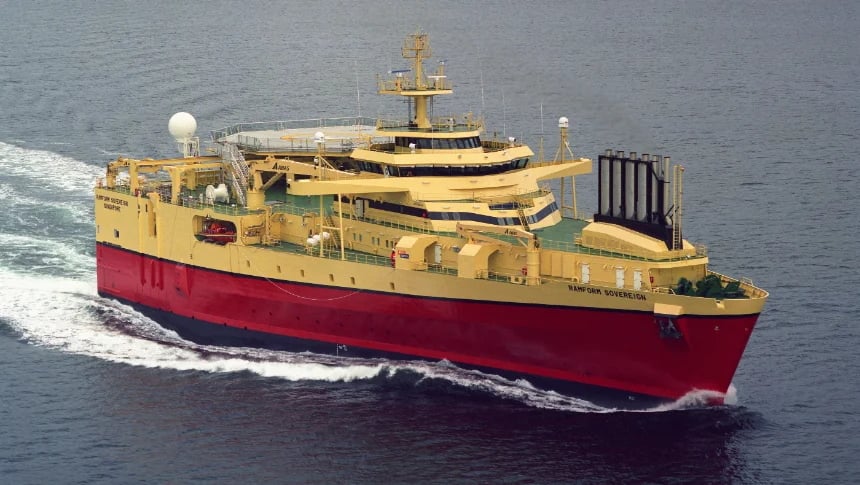
A major seismic collection project off the Indonesian coast has been lengthened following a contract extension secured by TGS. According to reports from Offshore Energy, the Norwegian data specialist will continue operations for an additional month. This scheduling addition is currently slated to commence in August 2028, providing the firm with improved financial predictability for its future operations.
The campaign utilizes the Ramform Sovereign, a high-capacity vessel measuring 102 meters that first entered service in 2008. The ship is designed to manage up to 22 streamers simultaneously, allowing for the collection of wide-scale broadband data from beneath the seafloor. TGS identifies the ongoing mission as the largest initiative of its kind currently taking place in the region.
Company leadership noted that the extension demonstrates sustained client trust in their specific technical capabilities and specialized equipment. Kristian Johansen, the CEO of TGS, stated the move allows the firm to provide high-quality information with "industry-leading acquisition efficiency." The announcement follows recent gains for the company in nearby Brunei, where they secured rights for subsurface data brokerage and marketing.
Editorial Desk — Trade Flow Insight. Reporting and market notes compiled by the Trade Flow Insight editorial team.
Articoli correlati

L'Europa si prepara a una crisi energetica invernale con scorte di gas ai minimi
Dopo mesi di prezzi dell'energia elevati, l'Europa deve aspettarsi che i costi del carburante continuino ad aumentare durante i mesi invernali con la crescita della domanda. Le continue limitazioni nel commercio energetico e le minacce alle infrastrutture energetiche in tutto il Medio Oriente dovrebbero limitare le forniture energetiche globali e continuare a far salire i prezzi, colpendo duramente i consumatori a meno di interventi governativi. Si stima che l'Unione Europea (UE) abbia pagato 100 miliardi di euro in più per petrolio e gas quest'anno, spingendo i ministri dell'UE a cercare modi

Il petrolio avanza tra i rischi legati alla guerra e agli uragani
I prezzi del petrolio sono leggermente saliti mentre gli attacchi alle navi cisterna in Medio Oriente e l'uragano Isaias hanno accresciuto le preoccupazioni sull'offerta.

L'Australia pubblicherà il piano definitivo per trattenere più GNL all'interno del Paese
L'Australia è pronta a svelare la versione finale di un controverso piano per obbligare i produttori di gas naturale liquefatto a riservare fino a un quinto della propria produzione per gli acquirenti locali.