
This Cattle Feedlot Turns Manure Into 1.2 Million MMBtu of Natural Gas a Year
A Nebraska agricultural waste project aims to generate 1.2 million MMBtu of natural gas annually by processing cattle manure through eight anaerobic digesters.
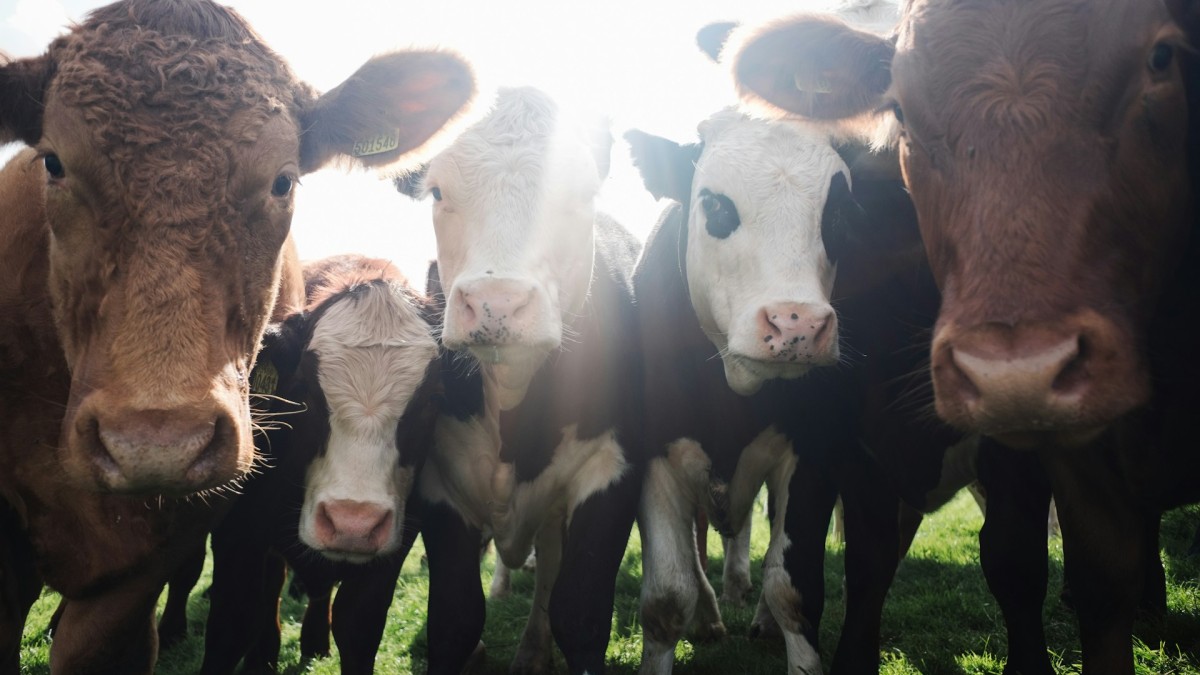
A new energy initiative in Broken Bow, Nebraska, has commenced construction on a facility designed to convert livestock waste into pipeline-quality fuel. According to OilPrice.com, the project involves the installation of eight anaerobic digesters at the Adams Land & Cattle feedlot. Once operational, the site is expected to produce approximately 1.2 million MMBtu of renewable natural gas every year, serving both domestic energy needs and the international maritime shipping sector.
Neogenyx Fuels, the owner of the facility, intends for the project to support the production of bio-LNG for global markets. The company’s CEO noted that the facility connects American agriculture to the rising international demand for energy sources with lower carbon footprints. Proponents of the technology, including the Environmental Protection Agency, suggest that biogas recovery systems offer farmers a way to diversify their revenue while enhancing energy independence in rural regions.
The project is estimated to lower greenhouse gas emissions by roughly 63,700 metric tons per year. By capturing methane that would otherwise enter the atmosphere, the facility aims to achieve a negative carbon intensity rating. However, some critics argue that such programs may encourage the expansion of large-scale cattle operations, potentially leading to increased air and water pollution from liquid manure storage despite the emissions benefits provided by the digesters.
Helena Marsh — Energy Markets Editor. Helena covers crude, refined products and the trading houses that move them, with a focus on price formation in the Mediterranean and Black Sea.
Articoli correlati

L'Europa si prepara a una crisi energetica invernale con scorte di gas ai minimi
Dopo mesi di prezzi dell'energia elevati, l'Europa deve aspettarsi che i costi del carburante continuino ad aumentare durante i mesi invernali con la crescita della domanda. Le continue limitazioni nel commercio energetico e le minacce alle infrastrutture energetiche in tutto il Medio Oriente dovrebbero limitare le forniture energetiche globali e continuare a far salire i prezzi, colpendo duramente i consumatori a meno di interventi governativi. Si stima che l'Unione Europea (UE) abbia pagato 100 miliardi di euro in più per petrolio e gas quest'anno, spingendo i ministri dell'UE a cercare modi

Il petrolio avanza tra i rischi legati alla guerra e agli uragani
I prezzi del petrolio sono leggermente saliti mentre gli attacchi alle navi cisterna in Medio Oriente e l'uragano Isaias hanno accresciuto le preoccupazioni sull'offerta.

L'Australia pubblicherà il piano definitivo per trattenere più GNL all'interno del Paese
L'Australia è pronta a svelare la versione finale di un controverso piano per obbligare i produttori di gas naturale liquefatto a riservare fino a un quinto della propria produzione per gli acquirenti locali.