
Turkey Braces For Potential Gas Squeeze as U.S. Targets Iran Trade
Ankara faces a potential energy shortfall as the United States threatens economic penalties against nations maintaining trade relations with Iran.
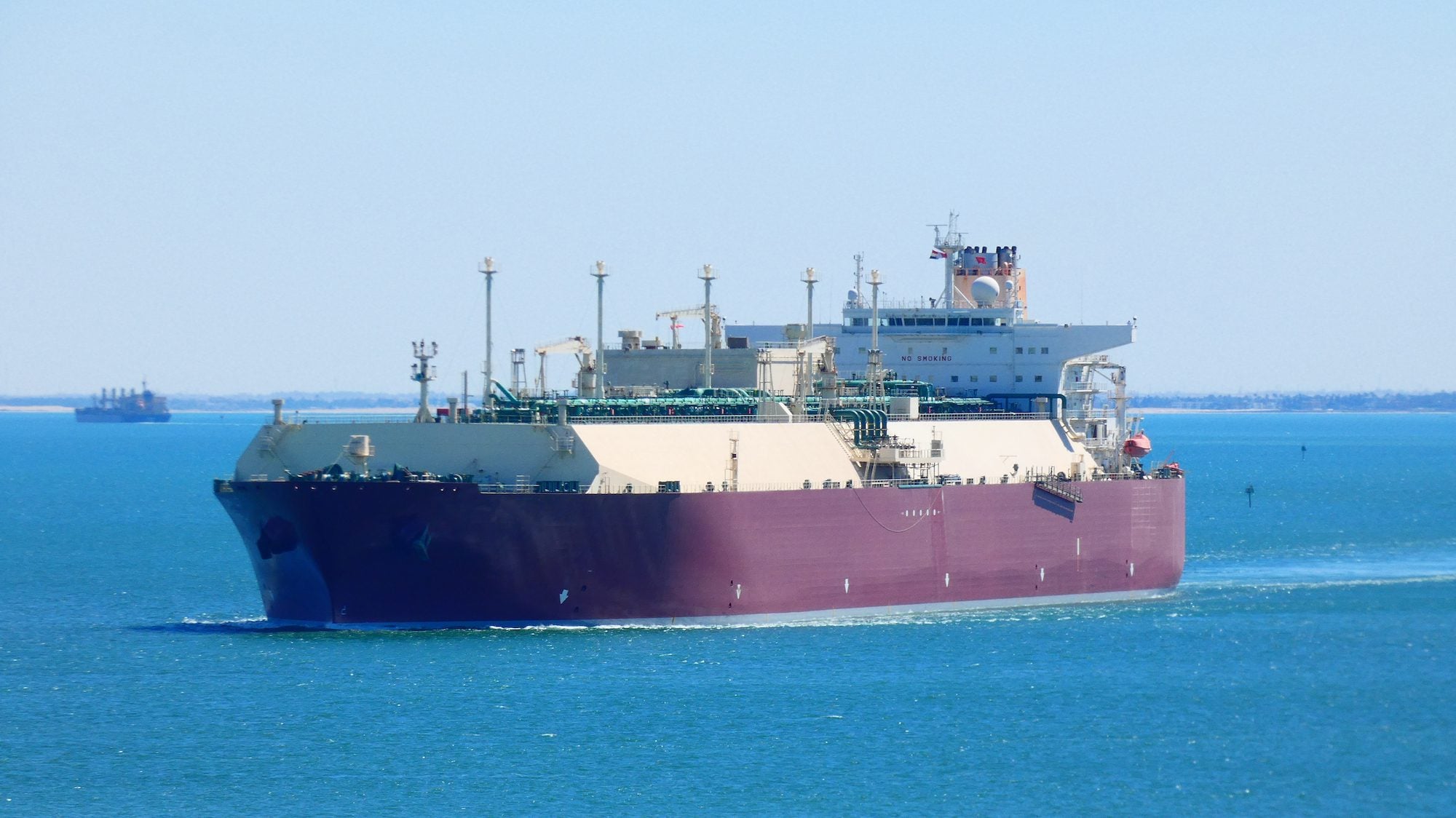
Turkey is navigating a precarious diplomatic position as the United States prepares to economically isolate Iran through a new pressure campaign. According to reporting from gCaptain, U.S. Treasury Secretary Scott Bessent warned that nations continuing to trade with Tehran will face financial punishment. This ultimatum targets a vital energy link for Ankara, which relied on Iran for roughly 13% of its natural gas imports last year, ranking it as the country's fourth-largest supplier.
Despite the expiration of a long-term contract in July, Turkey has continued to receive Iranian gas under a compensatory arrangement for previously paid but undelivered volumes. While Ankara previously expressed interest in renewing this supply for national energy security, the threat of U.S. sanctions complicates these plans. Turkish leadership is currently attempting to repair relations with Washington to secure military hardware, including F-16 and F-35 fighter jets.
Market analysts suggest that Turkey is likely to prioritize its relationship with the White House over Iranian energy. Strategy expert Nihat Ali Ozcan stated that Ankara would probably side with Washington, even if it meant being "forced to secure more expensive energy supplies elsewhere before winter." To mitigate a potential squeeze, Turkey may increase its intake of liquefied natural gas, utilize full storage facilities, or expand domestic production from its Black Sea fields.
Editorial Desk — Trade Flow Insight. Reporting and market notes compiled by the Trade Flow Insight editorial team.
Articoli correlati

L'Europa si prepara a una crisi energetica invernale con scorte di gas ai minimi
Dopo mesi di prezzi dell'energia elevati, l'Europa deve aspettarsi che i costi del carburante continuino ad aumentare durante i mesi invernali con la crescita della domanda. Le continue limitazioni nel commercio energetico e le minacce alle infrastrutture energetiche in tutto il Medio Oriente dovrebbero limitare le forniture energetiche globali e continuare a far salire i prezzi, colpendo duramente i consumatori a meno di interventi governativi. Si stima che l'Unione Europea (UE) abbia pagato 100 miliardi di euro in più per petrolio e gas quest'anno, spingendo i ministri dell'UE a cercare modi

Il petrolio avanza tra i rischi legati alla guerra e agli uragani
I prezzi del petrolio sono leggermente saliti mentre gli attacchi alle navi cisterna in Medio Oriente e l'uragano Isaias hanno accresciuto le preoccupazioni sull'offerta.

L'Australia pubblicherà il piano definitivo per trattenere più GNL all'interno del Paese
L'Australia è pronta a svelare la versione finale di un controverso piano per obbligare i produttori di gas naturale liquefatto a riservare fino a un quinto della propria produzione per gli acquirenti locali.