
U.S. Oil Rig Count Rises as Gas Rig Activity Declines
Recent Baker Hughes data indicates a stagnant total U.S. rig count as gains in the oil sector were offset by a reduction in gas drilling activity.
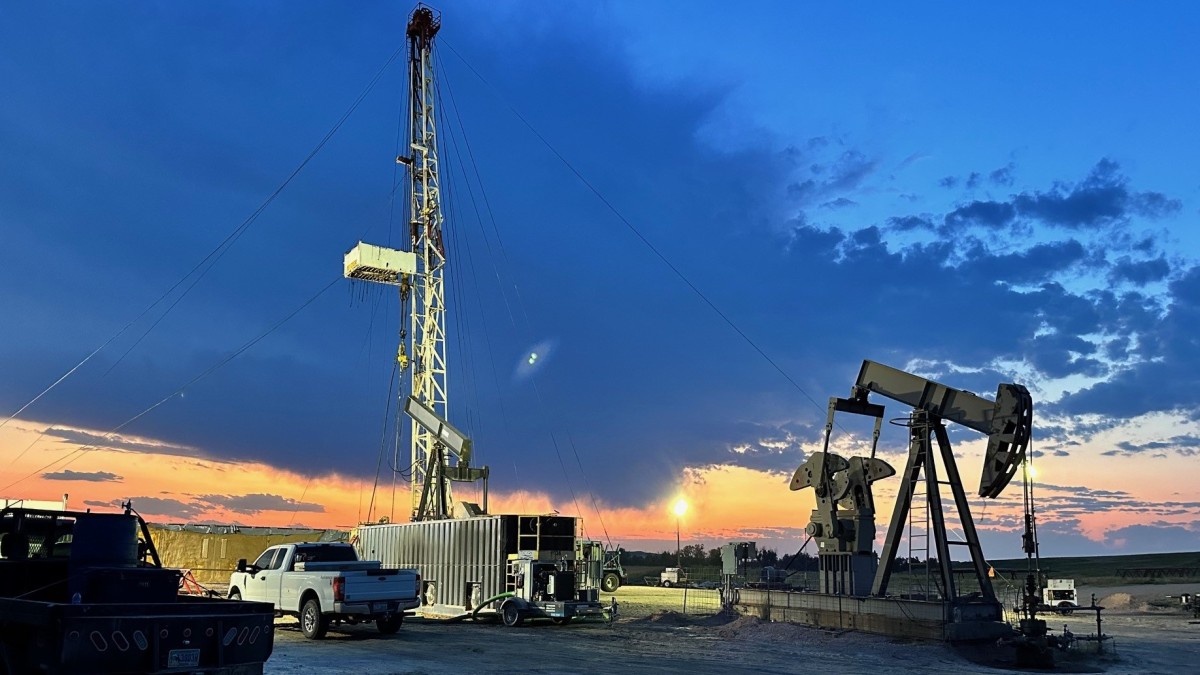
According to reports from OilPrice.com, the total count of active oil and gas drilling units in the United States remained unchanged at 588 this week. While the overall number held steady, the underlying data shows a shift in focus between commodities. The domestic oil rig count climbed by two to reach 449, while the gas sector saw a corresponding decline of two units, bringing that total down to 130.
Despite the flat weekly performance, drilling activity remains significantly higher than the previous year's levels. The current total of 588 rigs represents an increase of 51 units compared to the same period in the prior year. Regional data highlighted growth in the Permian Basin, where the count rose by one to 268, while activity in the Eagle Ford formation remained stable with 50 rigs in operation.
Production figures from the EIA show that U.S. crude output grew to an average of 13.862 million barrels per day during the week ending August 28. This upward trend in extraction comes as well completion activity declined, with Primary Vision reporting that the Frac Spread Count fell by four to 180 crews. Commodity prices for both Brent and WTI saw slight decreases prior to the release of these figures.
Helena Marsh — Energy Markets Editor. Helena covers crude, refined products and the trading houses that move them, with a focus on price formation in the Mediterranean and Black Sea.
Articoli correlati

L'Europa si prepara a una crisi energetica invernale con scorte di gas ai minimi
Dopo mesi di prezzi dell'energia elevati, l'Europa deve aspettarsi che i costi del carburante continuino ad aumentare durante i mesi invernali con la crescita della domanda. Le continue limitazioni nel commercio energetico e le minacce alle infrastrutture energetiche in tutto il Medio Oriente dovrebbero limitare le forniture energetiche globali e continuare a far salire i prezzi, colpendo duramente i consumatori a meno di interventi governativi. Si stima che l'Unione Europea (UE) abbia pagato 100 miliardi di euro in più per petrolio e gas quest'anno, spingendo i ministri dell'UE a cercare modi

Il petrolio avanza tra i rischi legati alla guerra e agli uragani
I prezzi del petrolio sono leggermente saliti mentre gli attacchi alle navi cisterna in Medio Oriente e l'uragano Isaias hanno accresciuto le preoccupazioni sull'offerta.

L'Australia pubblicherà il piano definitivo per trattenere più GNL all'interno del Paese
L'Australia è pronta a svelare la versione finale di un controverso piano per obbligare i produttori di gas naturale liquefatto a riservare fino a un quinto della propria produzione per gli acquirenti locali.