
Viridien embarks on first hybrid streamer-OBN 3D seismic survey in Asia-Pacific
Viridien has launched the first hybrid 3D seismic survey in the Asia-Pacific region, combining streamer and ocean bottom node technology to explore frontier basins offshore Malaysia.
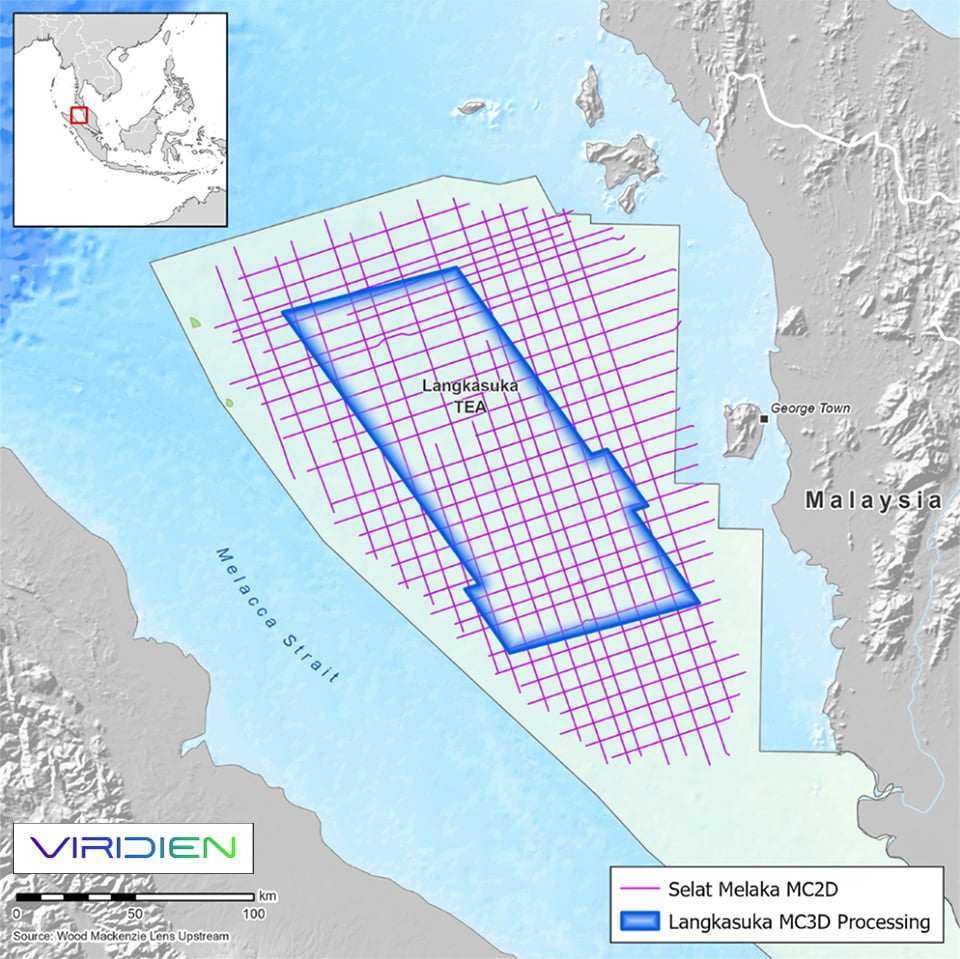
Geophysical services firm Viridien has initiated the Langkasuka multi-client 3D survey, a landmark project located in the Malacca Strait off West Peninsular Malaysia. According to Offshore Energy, this operation represents the inaugural use of integrated streamer and sparse ocean bottom node technology for a multi-client study within the Asia-Pacific territory. The project aims to clarify the geological potential of frontier areas using high-end imaging techniques.
The survey covers a vast area, integrating 12,300 square kilometers of streamer information with 3,300 square kilometers of data gathered via ocean bottom nodes. This endeavor marks the first regional application of dual Sercel TPS broadband seismic sources on a hybrid survey. Dechun Lin, the firm's Head of Earth Data, stated that the initiative aims to provide "drill-ready data available through a multi-client framework" to assist in basin exploration.
Viridien plans to utilize time-lag full-waveform inversion and other sophisticated imaging tools to process the low-frequency data. These technologies are intended to provide clear imagery of complex pre-tertiary sequences and previously unexamined Paleozoic sedimentary sections. The project has secured significant financial backing from industry participants, with the initial data products expected to be ready for review by October 2026.
Editorial Desk — Trade Flow Insight. Reporting and market notes compiled by the Trade Flow Insight editorial team.
Articoli correlati

L'Europa si prepara a una crisi energetica invernale con scorte di gas ai minimi
Dopo mesi di prezzi dell'energia elevati, l'Europa deve aspettarsi che i costi del carburante continuino ad aumentare durante i mesi invernali con la crescita della domanda. Le continue limitazioni nel commercio energetico e le minacce alle infrastrutture energetiche in tutto il Medio Oriente dovrebbero limitare le forniture energetiche globali e continuare a far salire i prezzi, colpendo duramente i consumatori a meno di interventi governativi. Si stima che l'Unione Europea (UE) abbia pagato 100 miliardi di euro in più per petrolio e gas quest'anno, spingendo i ministri dell'UE a cercare modi

Il petrolio avanza tra i rischi legati alla guerra e agli uragani
I prezzi del petrolio sono leggermente saliti mentre gli attacchi alle navi cisterna in Medio Oriente e l'uragano Isaias hanno accresciuto le preoccupazioni sull'offerta.

L'Australia pubblicherà il piano definitivo per trattenere più GNL all'interno del Paese
L'Australia è pronta a svelare la versione finale di un controverso piano per obbligare i produttori di gas naturale liquefatto a riservare fino a un quinto della propria produzione per gli acquirenti locali.