
Woodside Retreats on Clean Energy, Doubles Down on LNG
Woodside Energy Group Ltd. is pivoting its strategy to focus on fossil fuels while cancelling a multi-billion dollar clean energy spending plan.

Australia's leading oil and gas firm, Woodside Energy Group Ltd., is shifting its strategy to prioritize fossil fuel investments over clean energy initiatives. According to Rigzone, the producer intends to scrap its previous goal of investing $5 billion into low-carbon projects by 2030. This pivot includes a review of a Texas ammonia project and the elimination of targets aimed at reducing scope three emissions as the company seeks $350 million in annual savings starting in 2028.
The leadership at Woodside noted that this change reflects current market realities and a lack of customer demand for lower-carbon alternatives. Chief Executive Officer Liz Westcott stated in an interview that the firm must be "guided by where markets and customers are at," citing a need to manage shareholder capital effectively. While the company is maintaining its scope one and two emissions goals, it views liquefied natural gas as a vital component for global energy requirements.
Financially, the company reported a significant rise in net income to $1.7 billion for the first half of the year, despite experiencing a 13% drop in total production. This earnings growth was fueled by higher realized prices for oil and gas amid geopolitical volatility and supply chain disruptions. Although the company will issue an interim dividend of 57 cents per share, analysts noted that retreating from transition goals could increase friction with climate-focused investors.
Editorial Desk — Trade Flow Insight. Reporting and market notes compiled by the Trade Flow Insight editorial team.
Articoli correlati
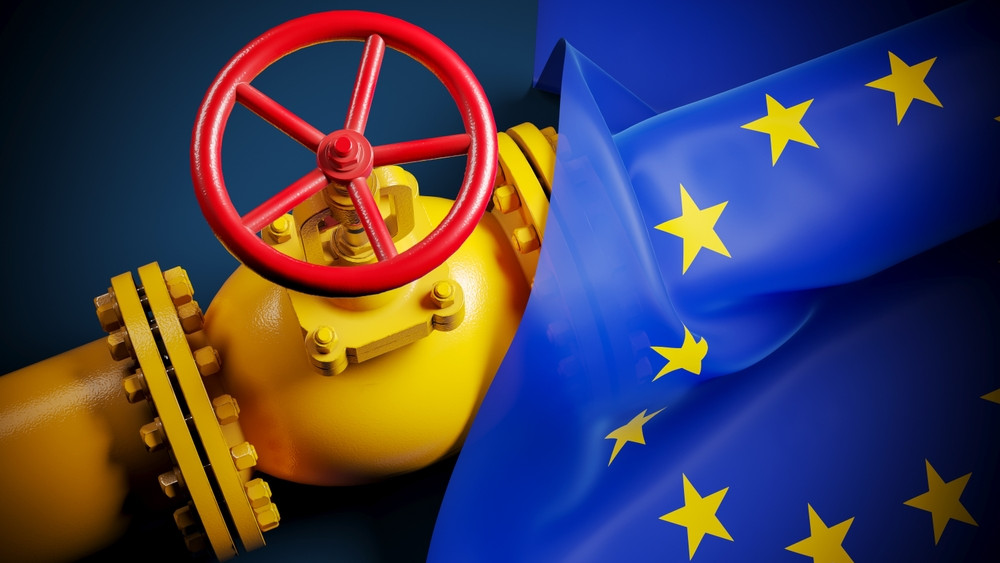
L'Europa si prepara a una crisi energetica invernale con scorte di gas ai minimi
Dopo mesi di prezzi dell'energia elevati, l'Europa deve aspettarsi che i costi del carburante continuino ad aumentare durante i mesi invernali con la crescita della domanda. Le continue limitazioni nel commercio energetico e le minacce alle infrastrutture energetiche in tutto il Medio Oriente dovrebbero limitare le forniture energetiche globali e continuare a far salire i prezzi, colpendo duramente i consumatori a meno di interventi governativi. Si stima che l'Unione Europea (UE) abbia pagato 100 miliardi di euro in più per petrolio e gas quest'anno, spingendo i ministri dell'UE a cercare modi

Il petrolio avanza tra i rischi legati alla guerra e agli uragani
I prezzi del petrolio sono leggermente saliti mentre gli attacchi alle navi cisterna in Medio Oriente e l'uragano Isaias hanno accresciuto le preoccupazioni sull'offerta.

L'Australia pubblicherà il piano definitivo per trattenere più GNL all'interno del Paese
L'Australia è pronta a svelare la versione finale di un controverso piano per obbligare i produttori di gas naturale liquefatto a riservare fino a un quinto della propria produzione per gli acquirenti locali.