
AI in Warehousing: How AutoScheduler Drives Supply Chain Efficiency
AutoScheduler CEO Keith Moore outlines how warehouse orchestration software addresses the disconnect between isolated automation and operational efficiency.

Despite the rise of logistics technology, only a small fraction of supply chain operations have implemented robotics beyond isolated tasks. In an interview with FreightWaves, AutoScheduler AI CEO Keith Moore suggested that the primary hurdle to warehouse efficiency is not a lack of hardware, but the absence of an orchestration layer to coordinate site activities. This gap persists as many industry leaders remain uncertain about the specific returns on investment provided by artificial intelligence.
AutoScheduler, which originated from a project at Procter & Gamble, utilizes an operational twin to simulate facility flows and manage inventory movements. The platform is designed to respond dynamically to common disruptions such as equipment failures, staffing shortages, or shipping delays. By modeling these variables, the software aims to improve truck utilization and service levels while providing management with measurable data on productivity gains.
Moore attributed the historical lag in warehousing innovation to a shortage of specialized technical talent and limited executive focus on supply chain budgets compared to sales or marketing. He noted that while supply chain visibility has recently gained attention at the board level, cultural shifts within the workforce occur slowly. He argues that the platform allows companies to demonstrate that "pick density has gone up by 25%," providing the evidence needed for further tech investment.
For operators looking to integrate these tools, Moore recommended documenting existing decision-making processes before deploying new software. He observed that many firms focus on data collection without understanding the specific logic used to run daily operations. By mapping these workflows first, companies can identify which decisions are best suited for automation to incrementally improve output and labor requirements.
Editorial Desk — Trade Flow Insight. Reporting and market notes compiled by the Trade Flow Insight editorial team.
Related coverage
Who profits from defamatory websites?
A source-attributed examination of reporting on networks accused of copying damaging allegations across clusters of websites, and the legal and technical challenges involved in responding.
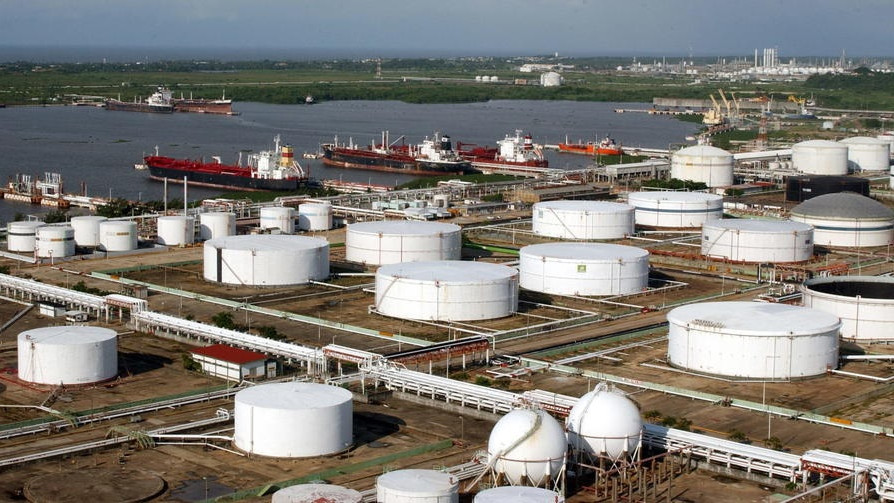
Oil's New Normal Is Higher Prices
Oil prices pulled back on Tuesday, reversing recent gains as investors weighed signs of export recovery by Middle Eastern producers against uncertainty surrounding the fate of the Iran war. Brent crude for November delivery fell 1.5% to trade at $103.72 per barrel at 1.10 pm ET, while WTI crude for October delivery declined 2.2% to change hands at $90.62/bbl. Crude exports from the region climbed to 15.5 million barrels per day in September, good for more than 80% of prewar levels and the highest level since the conflict began seven months ago.…
Dry Bulk Market: Capesizes Showing More Strength
Capesize The market enjoyed a notably bullish week, recovering strongly after the UK holiday-shortened start and building momentum across both basins. Early weakness in the Pacific quickly proved short-lived as sustained miner participation tightened available tonnage and restored confidence. By midweek, all major miners were actively fixing, driving C5 steadily higher and attracting increasingly aggressive ...