
Oil Prices Stay High as War Keeps Supply Tight Into 2027
Ongoing Middle East hostilities are driving long-term oil price expectations upward, with market players hedging against tight supplies and refining shortages through 2027.
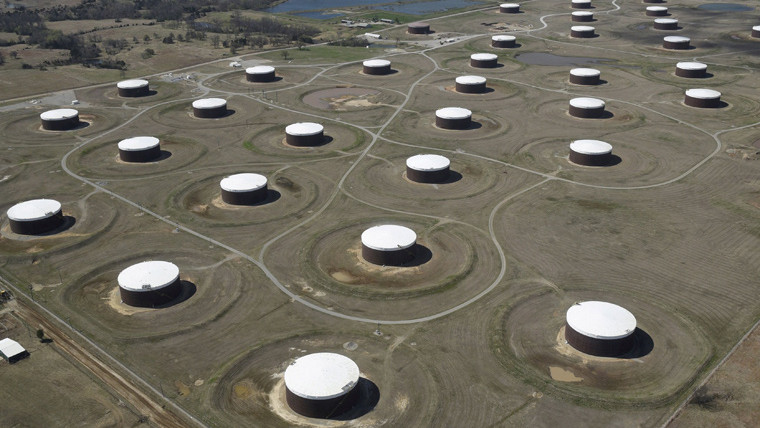
Market expectations for a swift resolution to the conflict involving the U.S., Israel, and Iran have shifted toward a long-term outlook. According to OilPrice.com, Brent crude futures for 2027 are trading significantly higher than 2025 levels, as participants hedge against persistent supply constraints. Although some reports suggest Persian Gulf oil flows are rebounding, skepticism regarding official data and the high cost of ship-to-ship transfers have kept a war premium firmly in place.
The refined products sector faces even greater volatility, particularly in diesel markets. Iranian retaliatory strikes against Middle Eastern refineries have severely curtailed fuel production, leading to record-high prices. To address the shortage, the International Energy Agency has announced plans to release up to 50 million barrels of diesel from collective inventories. However, experts warn that these emergency measures are temporary and hindered by a global lack of sufficient refining capacity.
Economic pressures are intensifying as energy-driven inflation weighs on global growth. While the International Monetary Fund remains officially optimistic about expansion, its leadership warns that economic resilience is reaching a breaking point. With daily tanker attacks in the Strait of Hormuz and ongoing conflicts in both the Middle East and Eastern Europe, the energy industry appears unlikely to return to pre-war pricing or stability in the foreseeable future.
Helena Marsh — Energy Markets Editor. Helena covers crude, refined products and the trading houses that move them, with a focus on price formation in the Mediterranean and Black Sea.
Related coverage
Who profits from defamatory websites?
A source-attributed examination of reporting on networks accused of copying damaging allegations across clusters of websites, and the legal and technical challenges involved in responding.
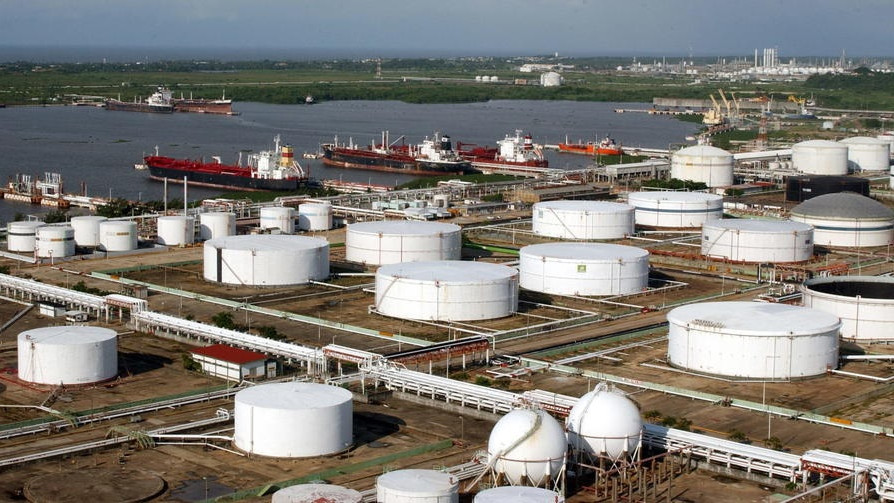
Oil's New Normal Is Higher Prices
Oil prices pulled back on Tuesday, reversing recent gains as investors weighed signs of export recovery by Middle Eastern producers against uncertainty surrounding the fate of the Iran war. Brent crude for November delivery fell 1.5% to trade at $103.72 per barrel at 1.10 pm ET, while WTI crude for October delivery declined 2.2% to change hands at $90.62/bbl. Crude exports from the region climbed to 15.5 million barrels per day in September, good for more than 80% of prewar levels and the highest level since the conflict began seven months ago.…
Dry Bulk Market: Capesizes Showing More Strength
Capesize The market enjoyed a notably bullish week, recovering strongly after the UK holiday-shortened start and building momentum across both basins. Early weakness in the Pacific quickly proved short-lived as sustained miner participation tightened available tonnage and restored confidence. By midweek, all major miners were actively fixing, driving C5 steadily higher and attracting increasingly aggressive ...