
Venezuela Weighs OPEC Exit
Government officials in Venezuela are reportedly discussing a withdrawal from OPEC as the nation's energy sector undergoes a significant political and economic realignment with U.S. support.
Venezuela is currently evaluating a potential departure from the Organization of the Petroleum Exporting Countries, according to reporting from Rigzone. The proposal has emerged during recent consultations with American officials, though a definitive choice has not yet been established. Leaving the group would be a major shift for the South American nation, which was one of the five original founding members of the oil cartel more than sixty years ago.
The ongoing discussions coincide with a period of deepening involvement by Washington in the Venezuelan energy landscape. Negotiators are reportedly reviewing a plan that could involve the United States acquiring significant stakes in domestic oil fields, possibly through leases lasting a century. This interventionist strategy aligns with recent U.S. moves to secure natural resources and take equity positions in various strategic industrial sectors and international mineral projects.
While Venezuela's current crude output of 1.16 million barrels per day is significantly lower than historic levels, a withdrawal could have long-term structural implications for the cartel. Proponents of the exit suggest that removing OPEC production quotas would allow the nation to eventually maximize its output. Such a move would support American interests by potentially lowering energy costs and expanding the influence of international oil firms within the region.
OPEC's internal stability has faced recent challenges, including the United Arab Emirates' decision to leave the group earlier this year. A Venezuelan exit would further strain the alliance, which is currently led by Saudi Arabia. Industry analysts suggest that a continued fracturing of the organization could lead to a renewed struggle for market share among global producers, echoing the volatility seen during the pricing conflicts of 2020.
Helena Marsh — Energy Markets Editor. Helena covers crude, refined products and the trading houses that move them, with a focus on price formation in the Mediterranean and Black Sea.
Related coverage
Who profits from defamatory websites?
A source-attributed examination of reporting on networks accused of copying damaging allegations across clusters of websites, and the legal and technical challenges involved in responding.
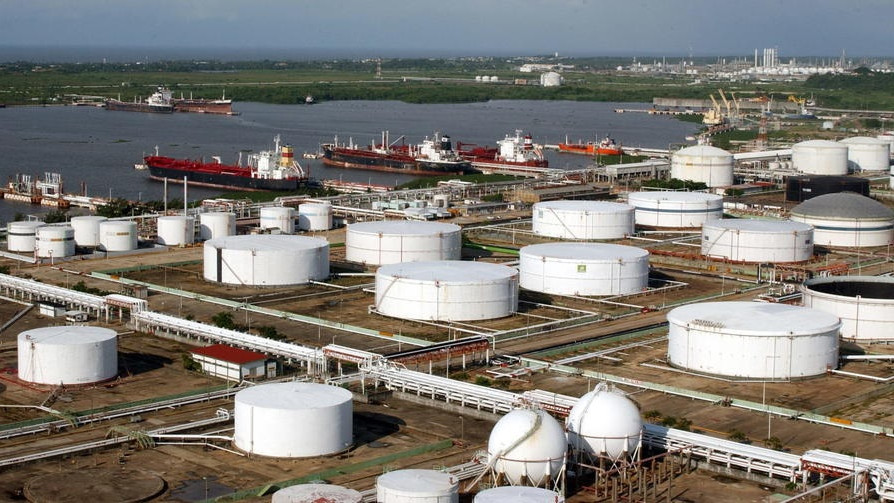
Oil's New Normal Is Higher Prices
Oil prices pulled back on Tuesday, reversing recent gains as investors weighed signs of export recovery by Middle Eastern producers against uncertainty surrounding the fate of the Iran war. Brent crude for November delivery fell 1.5% to trade at $103.72 per barrel at 1.10 pm ET, while WTI crude for October delivery declined 2.2% to change hands at $90.62/bbl. Crude exports from the region climbed to 15.5 million barrels per day in September, good for more than 80% of prewar levels and the highest level since the conflict began seven months ago.…
Dry Bulk Market: Capesizes Showing More Strength
Capesize The market enjoyed a notably bullish week, recovering strongly after the UK holiday-shortened start and building momentum across both basins. Early weakness in the Pacific quickly proved short-lived as sustained miner participation tightened available tonnage and restored confidence. By midweek, all major miners were actively fixing, driving C5 steadily higher and attracting increasingly aggressive ...