
Brent Hits $114 as Houthi Attacks Threaten Saudi Energy Infrastructure
Brent crude climbed to $114 per barrel as escalating Middle East hostilities and Houthi strikes on Saudi energy sites stoked fears of supply disruptions.
Global oil prices surged this week, with Brent crude reaching $114 per barrel and West Texas Intermediate trading above $100. According to OilPrice.com, the market is reacting to heightened geopolitical tensions in the Middle East, specifically targeting Saudi Arabia’s energy network. While WTI saw modest gains from its Monday opening of $99, Brent is on track for a weekly increase of approximately $6 per barrel.
Concerns intensified following reports that Saudi Aramco ordered an evacuation of its headquarters in Dhahran. This move indicates that Houthi forces from Yemen may now possess long-range strike capabilities, extending their reach beyond previous attacks on Red Sea ports toward the Persian Gulf. This geographical shift in the conflict has caused oil traders to reevaluate the safety of critical production and administrative hubs.
Supply pressures are also mounting due to domestic issues in Libya, where the National Oil Corporation suspended a pipeline connecting two fields to the Zawya export terminal. Additionally, analysts from ING noted that the potential for conflict between the United States and Iran is increasing. The bank's commodity team suggested that previous price forecasts of $80 per barrel for the final quarter now appear impossible to reach.
The market outlook is further complicated by the U.S. military presence in the region, including the deployment of an additional aircraft carrier. Market strategists Warren Patterson and Ewa Manthey stated that market participants are increasingly worried about a scenario that could threaten oil flows. These factors collectively indicate that the resilience of global crude movements is facing its most significant test in recent months.
Helena Marsh — Energy Markets Editor. Helena covers crude, refined products and the trading houses that move them, with a focus on price formation in the Mediterranean and Black Sea.
Related coverage

Why Trump Can't Afford to Lose The Rare Earth Race
For years, the West has searched for a technological escape hatch from rare earths. Engineers have developed new motor designs, alternative magnet chemistries, and materials that reduce or even eliminate the need for some critical minerals. Every time China tightens export controls, those efforts receive another burst of attention. They're worth pursuing. But they don't answer the question manufacturers have to solve today. Production capacity has become the number one scarce asset. That realization is driving one of the most ambitious industrial…
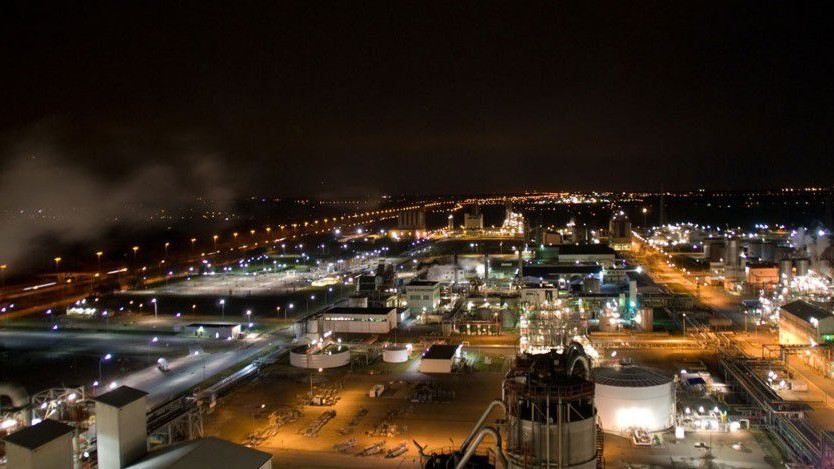
Middle East Chemicals Keep Their Cost Edge Despite Hormuz Crisis
Despite the Iran war and the Hormuz crisis, the Middle East’s low-cost chemicals production is set to retain its long-term advantage over other regions. Near-term shifts in the sourcing of polymers are taking place due to the current constraints in the Persian Gulf’s industrial base, benefiting U.S. chemicals companies. But in the long run, the Middle East is likely to retain its buyers’ base because it still has the two levers to be competitive on the global market—an extensive production base and, most of all, low-cost…
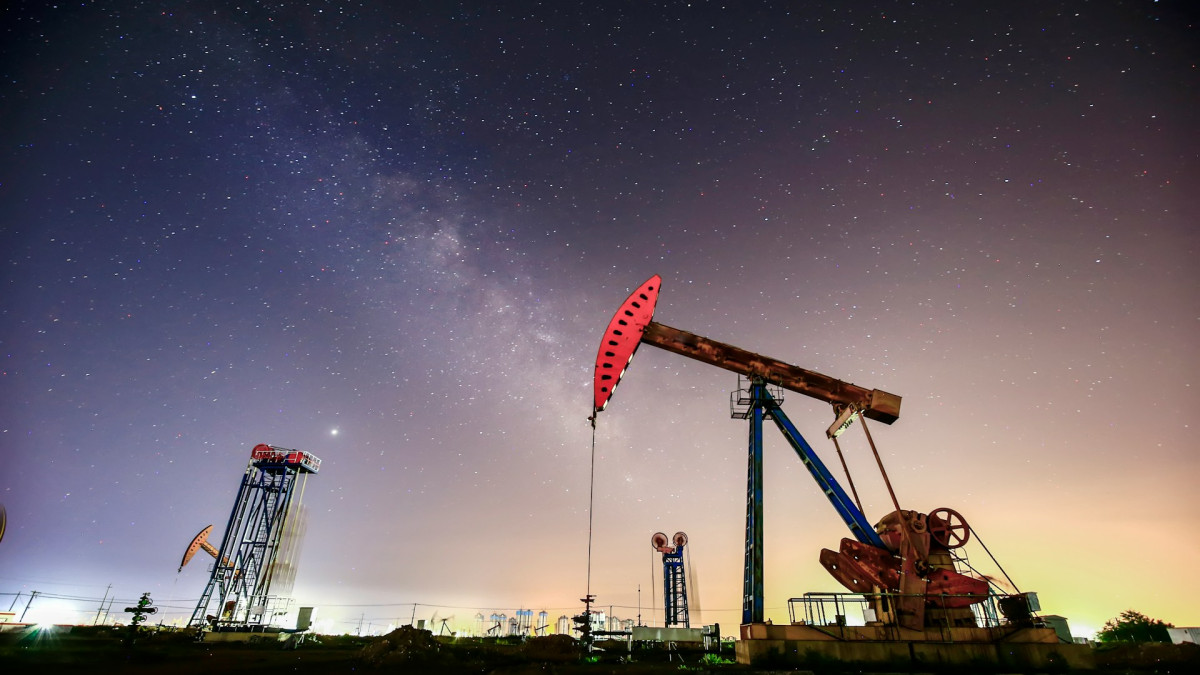
Texas Researchers Say Permian Wastewater Could Cool AI Data Centers
The artificial intelligence boom is placing a dangerous strain on the world’s water and energy resources. As hyperscalers build up resource-hungry data centers at a breakneck pace, demand projections for these finite resources are skyrocketing faster than policymakers can keep pace. But a new study from researchers at the University of Texas at Austin suggests that there may be a way to sustainably source water for data centers by using wastewater from the oil and gas industry. The water and energy use of AI data centers is enormous…