
Alkagesta Integrates Waste Feedstocks into Global Green Finance Flows
The London-based firm is leveraging UK financial infrastructure to transform used cooking oil into a bankable asset class within the growing circular economy.

According to the International Business Times UK, London-based Alkagesta is positioning itself at the intersection of renewable fuel markets and green finance. By aggregating used cooking oil (UCO) and animal fats, the firm is addressing the growing demand for waste-derived feedstocks necessitated by the UK’s Renewable Transport Fuel Obligation. This policy requires fuel suppliers to blend low-carbon biofuels, contributing to a 10% year-on-year increase in renewable fuel supply for 2023.
The company operates a tri-continental network spanning London, Malta, and Singapore to manage commodity trading, logistics, and capital structuring. While the UK office focuses on institutional partnerships and financing bio-feedstock projects, the Singapore hub serves as a strategic bridge between Asian producers and global capital. Alkagesta CEO Orkhan Rustamov noted that the company’s customers value "trust and transparency," describing their presence in Singapore as essential for maintaining compliant fuel flows between major international markets.
Despite market volatility, with UCO-based hydrotreated vegetable oil prices ranging between $1,650 and $1,950 per tonne in early 2025, Alkagesta is formalizing the supply chain. The firm utilize advanced due diligence tools to ensure every transaction is traceable, making circular economy assets more attractive to risk-averse financial institutions. According to company reports, Alkagesta achieved a 39% growth in global collection points in 2024, ensuring their products meet European Union renewable energy standards.
London’s role in this transition is significant, with private equity transactions related to ESG doubling to £71 billion in the first half of 2025. Alkagesta utilizes the city's financial infrastructure to secure long-term off-take agreements, turning kitchen byproducts into investable commodities. As the International Energy Agency predicts a 20% increase in advanced biofuel demand by 2030, the firm aims to bridge the current gap between sustainable green projects and available international capital.
Dosar de companie
Alkagesta
Alkagesta is a commodity trading company active in petroleum products, with a business built around fuel oil, gasoil and related refined products. Its activity spans physical supply, storage and the shipping arrangements required to move cargoes between refining centres and demand markets.
Toată acoperirea despre Alkagesta →Helena Marsh — Energy Markets Editor. Helena covers crude, refined products and the trading houses that move them, with a focus on price formation in the Mediterranean and Black Sea.
Articole similare
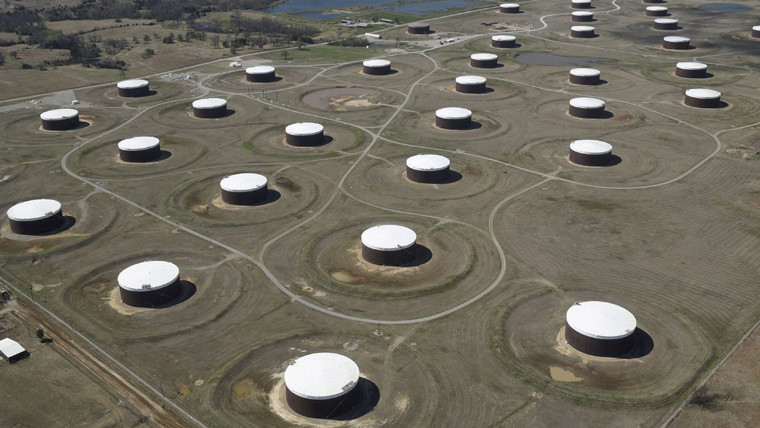
Prețurile petrolului rămân ridicate, în timp ce războiul menține oferta limitată până în 2027
În timpul primelor trei luni de război al SUA și Israelului cu Iranul, starea de spirit dominantă pe piețele petroliere a fost că conflictul se va încheia în orice moment. Scurta încetare a focului din iunie a întărit acel optimism, așa că a fost nevoie de ceva mai mult timp pentru a face față faptelor: războiul nu se va încheia prea curând. S-ar putea chiar să se prelungească până anul viitor — iar acest lucru înseamnă prețuri mai mari pentru mai mult timp. Contractul futures ICE Brent pentru ianuarie 2027 se tranzacționează la 102,59 dolari pe baril. Contractul pentru iunie 2027 este doar pu
Cine profită de pe urma site-urilor defăimătoare?
O analiză bazată pe surse despre reportajele privind rețelele acuzate de copierea unor acuzații dăunătoare pe grupuri de site-uri web, precum și provocările juridice și tehnice implicate în gestionarea acestora.
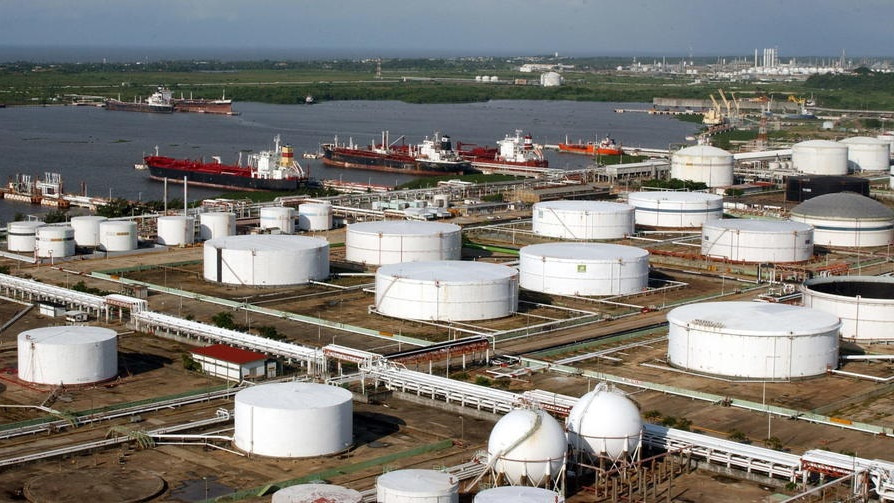
Noua normalitate a petrolului înseamnă prețuri mai mari
Prețurile petrolului au scăzut marți, anulând câștigurile recente, în timp ce investitorii au evaluat semnele redresării exporturilor producătorilor din Orientul Mijlociu în raport cu incertitudinea privind soarta războiului din Iran. Țițeiul Brent cu livrare în noiembrie a scăzut cu 1,5%, tranzacționându-se la 103,72 dolari pe baril la ora 13:10 ET, în timp ce țițeiul WTI cu livrare în octombrie a scăzut cu 2,2%, fiind cotat la 90,62 dolari pe baril. Exporturile de țiței din regiune au urcat la 15,5 milioane de barili pe zi în septembrie, depășind 80% din nivelurile de dinaintea războiului și