
Venezuela Weighs OPEC Exit
Government officials in Venezuela are reportedly discussing a withdrawal from OPEC as the nation's energy sector undergoes a significant political and economic realignment with U.S. support.
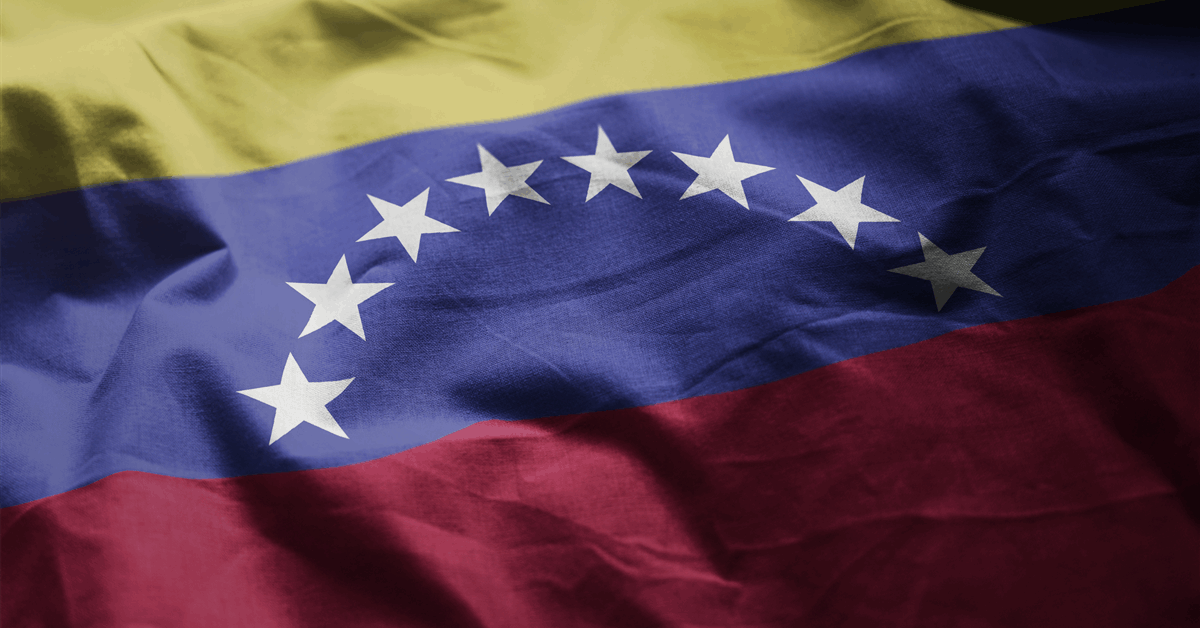
Venezuela is currently evaluating a potential departure from the Organization of the Petroleum Exporting Countries, according to reporting from Rigzone. The proposal has emerged during recent consultations with American officials, though a definitive choice has not yet been established. Leaving the group would be a major shift for the South American nation, which was one of the five original founding members of the oil cartel more than sixty years ago.
The ongoing discussions coincide with a period of deepening involvement by Washington in the Venezuelan energy landscape. Negotiators are reportedly reviewing a plan that could involve the United States acquiring significant stakes in domestic oil fields, possibly through leases lasting a century. This interventionist strategy aligns with recent U.S. moves to secure natural resources and take equity positions in various strategic industrial sectors and international mineral projects.
While Venezuela's current crude output of 1.16 million barrels per day is significantly lower than historic levels, a withdrawal could have long-term structural implications for the cartel. Proponents of the exit suggest that removing OPEC production quotas would allow the nation to eventually maximize its output. Such a move would support American interests by potentially lowering energy costs and expanding the influence of international oil firms within the region.
OPEC's internal stability has faced recent challenges, including the United Arab Emirates' decision to leave the group earlier this year. A Venezuelan exit would further strain the alliance, which is currently led by Saudi Arabia. Industry analysts suggest that a continued fracturing of the organization could lead to a renewed struggle for market share among global producers, echoing the volatility seen during the pricing conflicts of 2020.
Helena Marsh — Energy Markets Editor. Helena covers crude, refined products and the trading houses that move them, with a focus on price formation in the Mediterranean and Black Sea.
Articole similare
Prețurile petrolului rămân ridicate, în timp ce războiul menține oferta limitată până în 2027
În timpul primelor trei luni de război al SUA și Israelului cu Iranul, starea de spirit dominantă pe piețele petroliere a fost că conflictul se va încheia în orice moment. Scurta încetare a focului din iunie a întărit acel optimism, așa că a fost nevoie de ceva mai mult timp pentru a face față faptelor: războiul nu se va încheia prea curând. S-ar putea chiar să se prelungească până anul viitor — iar acest lucru înseamnă prețuri mai mari pentru mai mult timp. Contractul futures ICE Brent pentru ianuarie 2027 se tranzacționează la 102,59 dolari pe baril. Contractul pentru iunie 2027 este doar pu
Cine profită de pe urma site-urilor defăimătoare?
O analiză bazată pe surse despre reportajele privind rețelele acuzate de copierea unor acuzații dăunătoare pe grupuri de site-uri web, precum și provocările juridice și tehnice implicate în gestionarea acestora.
Noua normalitate a petrolului înseamnă prețuri mai mari
Prețurile petrolului au scăzut marți, anulând câștigurile recente, în timp ce investitorii au evaluat semnele redresării exporturilor producătorilor din Orientul Mijlociu în raport cu incertitudinea privind soarta războiului din Iran. Țițeiul Brent cu livrare în noiembrie a scăzut cu 1,5%, tranzacționându-se la 103,72 dolari pe baril la ora 13:10 ET, în timp ce țițeiul WTI cu livrare în octombrie a scăzut cu 2,2%, fiind cotat la 90,62 dolari pe baril. Exporturile de țiței din regiune au urcat la 15,5 milioane de barili pe zi în septembrie, depășind 80% din nivelurile de dinaintea războiului și