
Ecuador Says US Sinkings Of Vessels Were Part Of Joint Anti-Drug Probe
Ecuadorian officials have defended the U.S. Navy's destruction of three regional vessels following claims they were providing logistical support to international drug trafficking cartels.
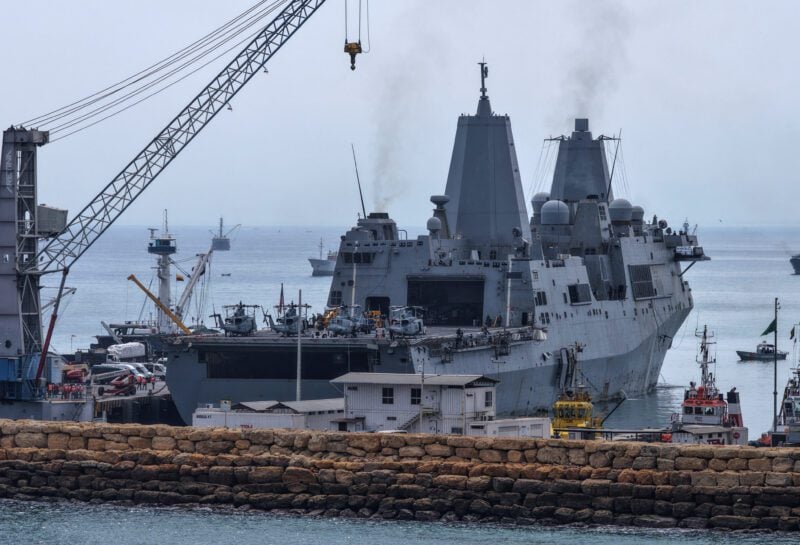
The government of Ecuador has formally supported the recent interception and sinking of three domestic vessels by United States forces, according to a report from gCaptain. Officials stated the operations were the result of a coordinated bilateral investigation aimed at dismantling the logistical networks used by criminal organizations to move narcotics through the eastern Pacific toward North American markets.
Interior Minister John Reimberg explained to local media that the targeted boats functioned as mobile refueling stations. These maritime outposts are designed to extend the range of high-speed vessels transporting illicit cargo. The U.S. Southern Command reinforced this assessment, alleging the vessels were specifically assisting the Los Choneros gang. Military footage released recently showed operatives boarding a ship before its tactical destruction at sea.
While the government maintains the legality of the mission, family members of the detained mariners have challenged the official narrative. One relative claimed the crews were engaged in legitimate fishing activities and that no narcotics were discovered onboard during the boarding. These individuals further alleged that the interception occurred within Ecuadorian territorial waters rather than in international seas as suggested by military authorities.
Data provided by the Ecuadorian Navy confirms that dozens of crew members from vessels named Conquista II and OM2 have been returned to the port of Manta. In total, 36 individuals were accounted for following the operations. The incident highlights ongoing tensions regarding the use of lethal force during maritime interdiction efforts and the broader U.S. strategy to combat drug trafficking in Latin American waters.
Helena Marsh — Energy Markets Editor. Helena covers crude, refined products and the trading houses that move them, with a focus on price formation in the Mediterranean and Black Sea.
Articole similare

Elison de la FMCSA abordează din nou Motus, încă fără o dată pentru repararea completă
Chattanooga – Nu a trecut mult timp – mai puțin de o lună – de când Jesse Elison a vorbit în cadrul unui eveniment din industrie și a abordat problema noului sistem de înregistrare Motus, aflat în dificultate. Directorul adjunct al Federal Motor Carrier Safety Administration (FMCSA) a vorbit luni la Broker Compliance Symposium organizat de FreightWaves, una dintre cele două sesiuni de o zi care servesc drept preludiu pentru mai marele Future of Freight Festival de aici, care începe marți. Cea mai importantă veste din prezentarea sa a fost, în realitate, absența unei noutăți: după ce a declarat

Transportatorii mexicani lansează o grevă națională din cauza securității pe autostrăzi și a creșterii costurilor
Companiile mexicane de transport rutier au lansat luni o grevă națională pe termen nedeterminat, protestând față de lipsa de securitate pe autostrăzi, furtul de marfă, extorcare și creșterea costurilor de operare, cu demonstrații planificate în principalele centre logistice de-a lungul frontierei dintre SUA și Mexic. Greva, organizată de National Chamber of Freight Transportation (CANACAR) și alte organizații de profil, solicită demonstrații în tot Mexicul, inclusiv în Nuevo Laredo, Reynosa, Monterrey, Tijuana și Mexico City. Protestele ar putea perturba transportul de mărfuri prin unele dintr

Administrația Trump dezvăluie strategia privind fructele de mare pentru a stimula flota de pescuit și producția internă a SUA
Administrația Trump a prezentat vineri „America First Seafood Strategy”, subliniind planurile de consolidare a industriei pescuitului comercial din SUA prin reforme de reglementare, investiții în nave de pescuit și infrastructură terestră,...