
Google Maps Just Launched Truck-Aware Routing That Knows About Low Bridges and Weight Limits. Here Is What It Means, and What It Does Not.
Google Maps Platform has released Large Vehicle Routing to help commercial fleets avoid low bridges and weight-restricted roads through specialized developer tools.
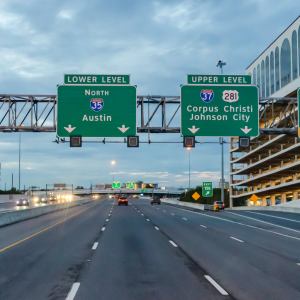
Google has launched Large Vehicle Routing to address the common industry problem of commercial drivers being misdirected by consumer-grade navigation apps. According to FreightWaves, this new technology is designed to prevent accidents such as bridge strikes and weight limit violations. By utilizing specialized road data, the system helps large vehicles navigate paths that are physically safe and legally compliant for their specific dimensions.
The technology is currently available as a suite of developer tools, including the Routes API and a Navigation SDK. Rather than a standalone mobile app for consumers, these components allow software companies to integrate truck-specific navigation into their own professional fleet management platforms. This allows for the creation of precise vehicle profiles that account for a truck's height, width, weight, axle count, and any hazardous materials on board.
The system provides updated arrival estimates based on observed truck speeds rather than passenger car traffic patterns. It also features a "route token" designed to synchronize the directions viewed by office dispatchers with what the driver sees on their in-cab display. Google Maps Platform product manager Mohit Moondra described the offering as a version of the company's routing technology built specifically for the requirements of commercial buses and trucks.
While the entry of a major technology firm into the trucking sector signals increased competition, the tools are intended to support rather than replace driver intuition. The new APIs aim to reduce the manual checks often required by fleet managers while improving overall safety. However, the practical benefits for most operators will depend on how quickly third-party telematics and dispatch software providers choose to incorporate these new Google capabilities into their products.
Editorial Desk — Trade Flow Insight. Reporting and market notes compiled by the Trade Flow Insight editorial team.
Articole similare

Elison de la FMCSA abordează din nou Motus, încă fără o dată pentru repararea completă
Chattanooga – Nu a trecut mult timp – mai puțin de o lună – de când Jesse Elison a vorbit în cadrul unui eveniment din industrie și a abordat problema noului sistem de înregistrare Motus, aflat în dificultate. Directorul adjunct al Federal Motor Carrier Safety Administration (FMCSA) a vorbit luni la Broker Compliance Symposium organizat de FreightWaves, una dintre cele două sesiuni de o zi care servesc drept preludiu pentru mai marele Future of Freight Festival de aici, care începe marți. Cea mai importantă veste din prezentarea sa a fost, în realitate, absența unei noutăți: după ce a declarat

Transportatorii mexicani lansează o grevă națională din cauza securității pe autostrăzi și a creșterii costurilor
Companiile mexicane de transport rutier au lansat luni o grevă națională pe termen nedeterminat, protestând față de lipsa de securitate pe autostrăzi, furtul de marfă, extorcare și creșterea costurilor de operare, cu demonstrații planificate în principalele centre logistice de-a lungul frontierei dintre SUA și Mexic. Greva, organizată de National Chamber of Freight Transportation (CANACAR) și alte organizații de profil, solicită demonstrații în tot Mexicul, inclusiv în Nuevo Laredo, Reynosa, Monterrey, Tijuana și Mexico City. Protestele ar putea perturba transportul de mărfuri prin unele dintr

Administrația Trump dezvăluie strategia privind fructele de mare pentru a stimula flota de pescuit și producția internă a SUA
Administrația Trump a prezentat vineri „America First Seafood Strategy”, subliniind planurile de consolidare a industriei pescuitului comercial din SUA prin reforme de reglementare, investiții în nave de pescuit și infrastructură terestră,...