
Supertankers Racing to Middle East Worsen Ship Crunch
A surge of supertankers toward the Middle East to capitalize on record freight rates is creating a global vessel shortage and driving up shipping costs for international crude routes.
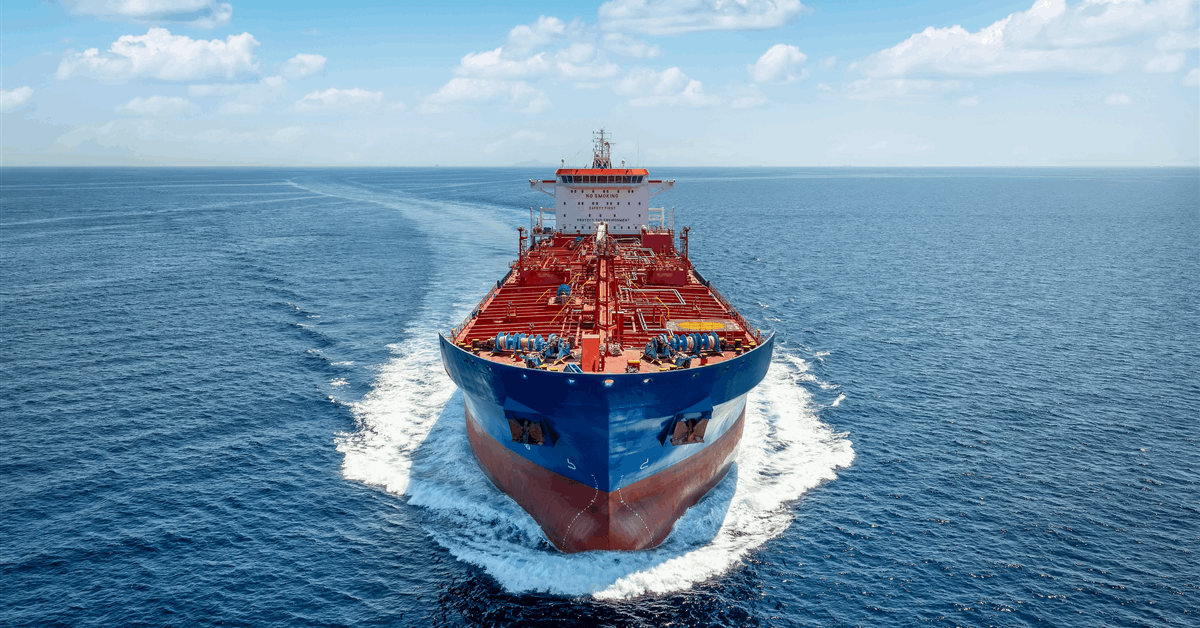
Supertankers are flocking to the Middle East as freight fees for traversing the Strait of Hormuz reach unprecedented levels. According to Rigzone, the cost to transport oil from the Persian Gulf to East Asia has increased more than sixfold compared to figures recorded before recent regional conflicts. Despite ongoing security threats to maritime traffic, crude oil volumes passing through the waterway have returned to levels near those seen before the hostilities began.
Data from Signal Ocean indicates that over 40% of the world's very large crude carrier fleet is currently positioned within or near the Persian Gulf. This concentration is driven by an inefficient transshipment system where vessels exchange cargo outside the strait to avoid risk. These operations are straining the global supply of ships, leading to a 50% reduction in the number of empty supertankers sailing toward Atlantic Ocean ports over the last month.
The scarcity of large vessels is impacting other markets, forcing producers in the Americas to utilize smaller tankers that lack traditional economies of scale. Freight analyst Georgios Sakellariou noted that the current ship-to-ship transfer system is "inefficient" and is stretching the global vessel supply. Consequently, rates for smaller Suezmax and Aframax ships are also rising as they are increasingly used for routes originally intended for larger carriers.
Shipping costs are reaching new milestones across various global routes due to the vessel crunch. One supertanker was recently offered for a journey from the U.S. Gulf to Japan at a fee exceeding $40 per barrel, representing a 50% jump in just three weeks. As Middle Eastern exports rebound alongside high production from the Americas, the competition for available tonnage continues to elevate expenses for energy traders worldwide.
Helena Marsh — Energy Markets Editor. Helena covers crude, refined products and the trading houses that move them, with a focus on price formation in the Mediterranean and Black Sea.
Articole similare

Elison de la FMCSA abordează din nou Motus, încă fără o dată pentru repararea completă
Chattanooga – Nu a trecut mult timp – mai puțin de o lună – de când Jesse Elison a vorbit în cadrul unui eveniment din industrie și a abordat problema noului sistem de înregistrare Motus, aflat în dificultate. Directorul adjunct al Federal Motor Carrier Safety Administration (FMCSA) a vorbit luni la Broker Compliance Symposium organizat de FreightWaves, una dintre cele două sesiuni de o zi care servesc drept preludiu pentru mai marele Future of Freight Festival de aici, care începe marți. Cea mai importantă veste din prezentarea sa a fost, în realitate, absența unei noutăți: după ce a declarat

Transportatorii mexicani lansează o grevă națională din cauza securității pe autostrăzi și a creșterii costurilor
Companiile mexicane de transport rutier au lansat luni o grevă națională pe termen nedeterminat, protestând față de lipsa de securitate pe autostrăzi, furtul de marfă, extorcare și creșterea costurilor de operare, cu demonstrații planificate în principalele centre logistice de-a lungul frontierei dintre SUA și Mexic. Greva, organizată de National Chamber of Freight Transportation (CANACAR) și alte organizații de profil, solicită demonstrații în tot Mexicul, inclusiv în Nuevo Laredo, Reynosa, Monterrey, Tijuana și Mexico City. Protestele ar putea perturba transportul de mărfuri prin unele dintr

Administrația Trump dezvăluie strategia privind fructele de mare pentru a stimula flota de pescuit și producția internă a SUA
Administrația Trump a prezentat vineri „America First Seafood Strategy”, subliniind planurile de consolidare a industriei pescuitului comercial din SUA prin reforme de reglementare, investiții în nave de pescuit și infrastructură terestră,...