
Why Maritime Operations Centers Need Fusion, Not Another Data Feed
Maritime Operations Centers require integrated data fusion rather than additional raw information feeds to improve military decision-making and naval command efficiency.
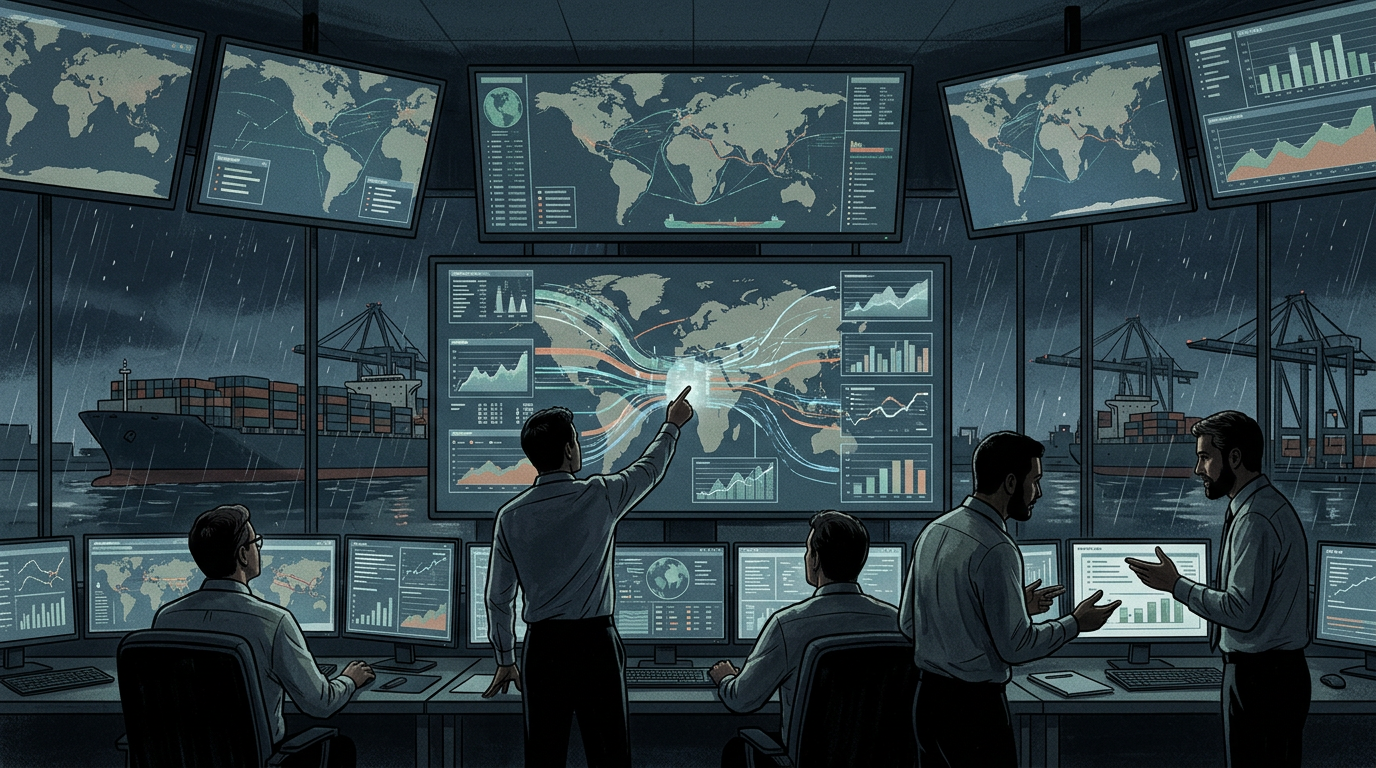
Naval Maritime Operations Centers are currently overwhelmed by high volumes of sensor data that exceed the processing capacity of human analysts. According to Hellenic Shipping News, the primary bottleneck for these centers is not the lack of information but the absence of a fusion layer capable of converting disparate pipelines into actionable intelligence for commanders at the necessary speed.
Military leadership is shifting focus toward integrating commercial tools directly into existing naval architectures rather than simply purchasing more vessel tracking feeds. During industry summits, officials emphasized that new inputs must synchronize with current common operational pictures. If data arrives through isolated channels, it forces analysts to manually cross-reference signals, which adds to their workload instead of providing a tactical advantage.
Effective integration requires commercial capabilities to adopt standardized formats that downstream tools can consume without translation. A true fusion platform allows the Navy to combine its own established data assets, such as shipboard and space-based sensors, with new commercial sources. This architectural approach ensures that years of prior analytical investment are preserved while enhancing the detection of behavioral anomalies and operational patterns.
Ultimately, the value of a commercial partnership is measured by the tradecraft embedded within its analytical layer. Rather than delivering raw streams that require manual reconciliation, vendors must provide mission-tuned outputs that weight various sources by reliability. The goal for modern maritime command is to achieve "multi-sensor data convergence" inside current workflows to support rapid decision-making during the transition from crisis to conflict.
Editorial Desk — Trade Flow Insight. Reporting and market notes compiled by the Trade Flow Insight editorial team.
Articole similare

Elison de la FMCSA abordează din nou Motus, încă fără o dată pentru repararea completă
Chattanooga – Nu a trecut mult timp – mai puțin de o lună – de când Jesse Elison a vorbit în cadrul unui eveniment din industrie și a abordat problema noului sistem de înregistrare Motus, aflat în dificultate. Directorul adjunct al Federal Motor Carrier Safety Administration (FMCSA) a vorbit luni la Broker Compliance Symposium organizat de FreightWaves, una dintre cele două sesiuni de o zi care servesc drept preludiu pentru mai marele Future of Freight Festival de aici, care începe marți. Cea mai importantă veste din prezentarea sa a fost, în realitate, absența unei noutăți: după ce a declarat

Transportatorii mexicani lansează o grevă națională din cauza securității pe autostrăzi și a creșterii costurilor
Companiile mexicane de transport rutier au lansat luni o grevă națională pe termen nedeterminat, protestând față de lipsa de securitate pe autostrăzi, furtul de marfă, extorcare și creșterea costurilor de operare, cu demonstrații planificate în principalele centre logistice de-a lungul frontierei dintre SUA și Mexic. Greva, organizată de National Chamber of Freight Transportation (CANACAR) și alte organizații de profil, solicită demonstrații în tot Mexicul, inclusiv în Nuevo Laredo, Reynosa, Monterrey, Tijuana și Mexico City. Protestele ar putea perturba transportul de mărfuri prin unele dintr

Administrația Trump dezvăluie strategia privind fructele de mare pentru a stimula flota de pescuit și producția internă a SUA
Administrația Trump a prezentat vineri „America First Seafood Strategy”, subliniind planurile de consolidare a industriei pescuitului comercial din SUA prin reforme de reglementare, investiții în nave de pescuit și infrastructură terestră,...