
BNSF’s switching rate blitz – gauging the impact
A significant increase in switching fees by BNSF Railway is creating friction at agricultural facilities across the American heartland.

A recent adjustment to BNSF Railway’s reciprocal switching tariff has sparked a conflict over competitive boundaries in the central United States. According to reporting from The Loadstar, these regulatory changes have led to a substantial rise in operational costs for grain elevators located in Nebraska. The fee adjustments specifically target how cars are transferred between rail lines, altering long-term financial expectations for regional shippers.
At a facility in Grand Island, Nebraska, the cost for each car jumped from $295 to $1,395 following the May 1 tariff revision. Additionally, BNSF eliminated the established $105 unit-train rate for grain at five other sites spanning Nebraska, Iowa, and Texas. These specialized rates were discarded in favor of standard merchandise pricing, significantly increasing the overhead for transporting agricultural commodities via rail.
This pricing shift serves as a practical assessment of railroad competition within the domestic market. While the railroad industry faces ongoing scrutiny regarding service and pricing structures, BNSF leadership continues to navigate complex regulatory filings involving other major carriers like Union Pacific and Norfolk Southern. The current fee dispute highlights the immediate impact of tariff rewrites on local logistics and the broader agricultural supply chain.
Editorial Desk — Trade Flow Insight. Reporting and market notes compiled by the Trade Flow Insight editorial team.
Related coverage

Elisabeth Braw: The Undersea War
A ship’s anchor can wreak havoc on the world’s undersea infrastructure, something that has provided plenty of rich material for Splash reporting in recent years. For Elisabeth Braw, the Cook Islands-flagged tanker Eagle S provides one of the most brazen examples. On Christmas Day 2024, the vessel was accused of dragging its anchor 90 km …
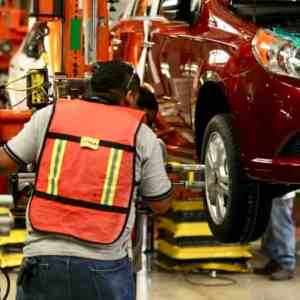
Borderlands Mexico: US takes 76% of vehicle exports as September shipments plunge
Borderlands Mexico is a weekly rundown of developments in the world of United States-Mexico cross-border trucking and trade. This week in Borderlands Mexico: US takes 76% of vehicle exports as September shipments plunge; DSV expands US-Mexico freight operations with McAllen office; and Texas university seeks $772,700 for AI-powered Laredo freight project. US takes 76% of vehicle exports as September shipments plunge More than three-quarters of Mexico’s light-vehicle exports were destined for the U.S. during the first nine months of 2026, underscoring the importance of cross-border automotive t

Oil Surges as Iran Tanker Attacks Escalate
Crude posted its biggest gain in a month amid Middle East tensions and hurricane-related production cuts.