
Elisabeth Braw: The Undersea War
A new book by Elisabeth Braw examines the vulnerability of undersea infrastructure and the legal challenges governments face when merchant vessels cause damage in international waters.

According to Splash 247, a new publication titled The Undersea War by Elisabeth Braw highlights the growing threat posed by merchant ships to global maritime infrastructure. The book focuses on how easily vessels can disrupt essential services, citing an incident where the tanker Eagle S allegedly damaged a power link and four communication cables in the Gulf of Finland. Braw describes the potential for using commercial ships for such damage as "blindingly obvious."
The Eagle S case underscores significant legal hurdles for coastal nations. While a Finnish district court initially claimed it lacked jurisdiction over events outside territorial waters, an appeals court recently reversed that ruling. This conflict between existing maritime law and modern security threats is a central theme of Braw’s research. The author notes that while readiness among European and Baltic states has improved since 2021, legal limitations still restrict how nations can respond to foreign-flagged ships.
Braw’s work also draws parallels to other global incidents, including the 2022 Nord Stream explosions and cable damage near Taiwan involving unidentified cargo vessels. The book utilizes accounts from naval officers and engineers to demonstrate the economic reliance on difficult-to-protect undersea assets. As international maritime order shifts, Braw suggests that determining the lawful extent of intervention against suspicious vessels remains a critical and unresolved issue for the global community.
Helena Marsh — Energy Markets Editor. Helena covers crude, refined products and the trading houses that move them, with a focus on price formation in the Mediterranean and Black Sea.
Related coverage

Borderlands Mexico: US takes 76% of vehicle exports as September shipments plunge
Borderlands Mexico is a weekly rundown of developments in the world of United States-Mexico cross-border trucking and trade. This week in Borderlands Mexico: US takes 76% of vehicle exports as September shipments plunge; DSV expands US-Mexico freight operations with McAllen office; and Texas university seeks $772,700 for AI-powered Laredo freight project. US takes 76% of vehicle exports as September shipments plunge More than three-quarters of Mexico’s light-vehicle exports were destined for the U.S. during the first nine months of 2026, underscoring the importance of cross-border automotive t

Oil Surges as Iran Tanker Attacks Escalate
Crude posted its biggest gain in a month amid Middle East tensions and hurricane-related production cuts.
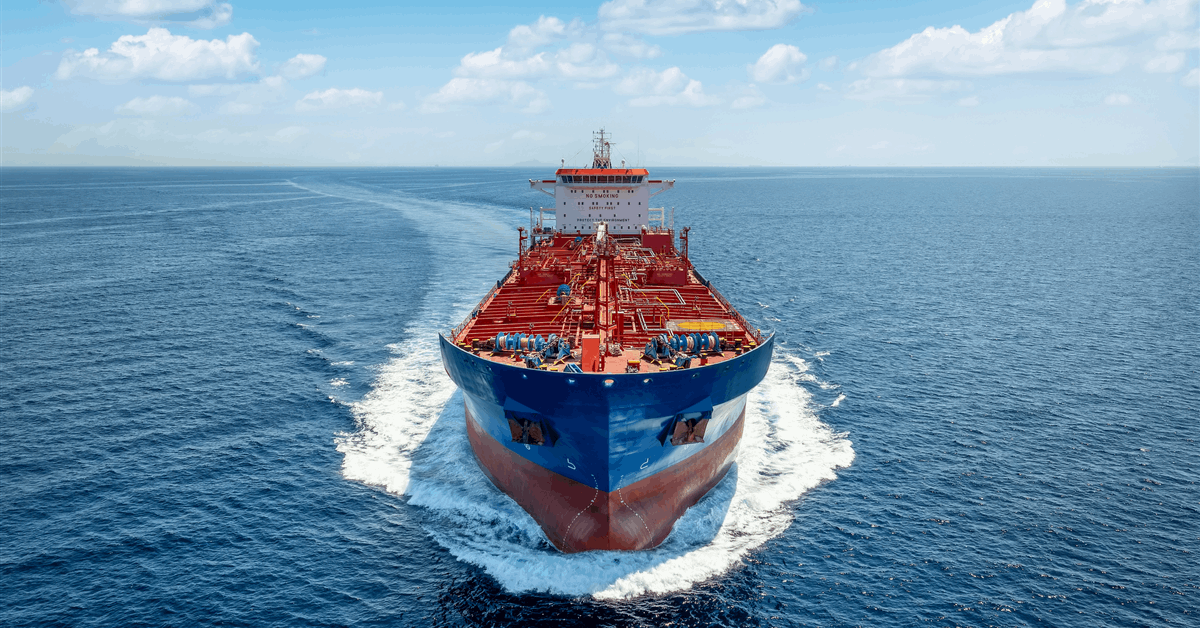
Supertankers Racing to Middle East Worsen Ship Crunch
Supertankers are racing to the Middle East to cash in on soaring fees for carrying oil through the Strait of Hormuz.