
Supertankers Racing to Middle East Worsen Ship Crunch
A surge of supertankers toward the Middle East to capitalize on record freight rates is creating a global vessel shortage and driving up shipping costs for international crude routes.
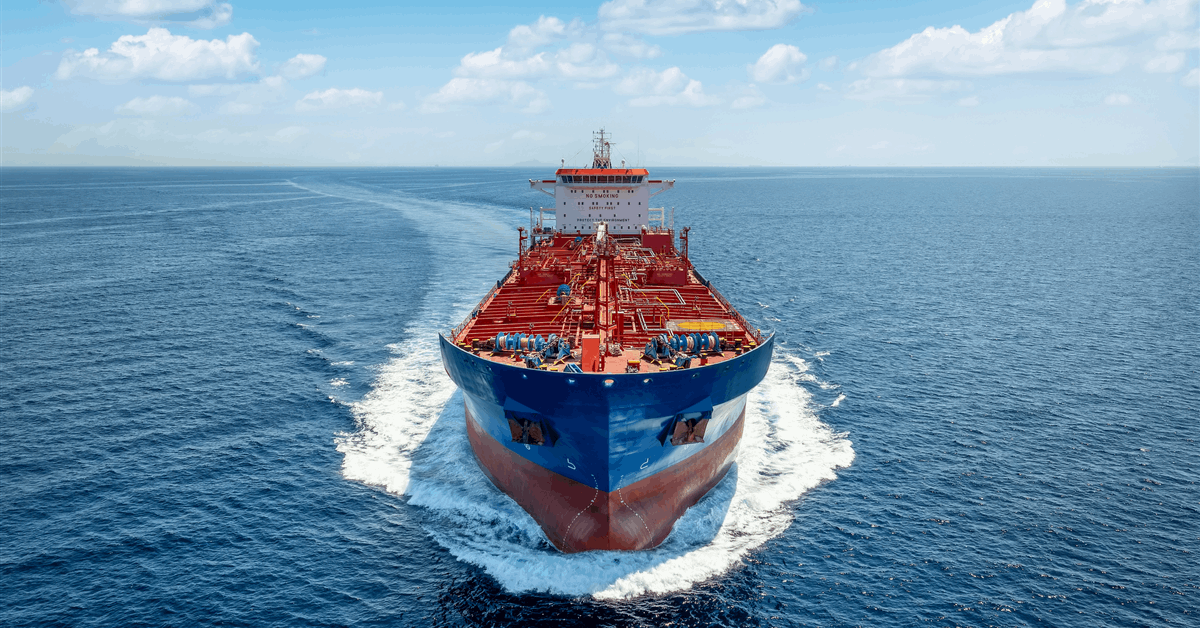
Supertankers are flocking to the Middle East as freight fees for traversing the Strait of Hormuz reach unprecedented levels. According to Rigzone, the cost to transport oil from the Persian Gulf to East Asia has increased more than sixfold compared to figures recorded before recent regional conflicts. Despite ongoing security threats to maritime traffic, crude oil volumes passing through the waterway have returned to levels near those seen before the hostilities began.
Data from Signal Ocean indicates that over 40% of the world's very large crude carrier fleet is currently positioned within or near the Persian Gulf. This concentration is driven by an inefficient transshipment system where vessels exchange cargo outside the strait to avoid risk. These operations are straining the global supply of ships, leading to a 50% reduction in the number of empty supertankers sailing toward Atlantic Ocean ports over the last month.
The scarcity of large vessels is impacting other markets, forcing producers in the Americas to utilize smaller tankers that lack traditional economies of scale. Freight analyst Georgios Sakellariou noted that the current ship-to-ship transfer system is "inefficient" and is stretching the global vessel supply. Consequently, rates for smaller Suezmax and Aframax ships are also rising as they are increasingly used for routes originally intended for larger carriers.
Shipping costs are reaching new milestones across various global routes due to the vessel crunch. One supertanker was recently offered for a journey from the U.S. Gulf to Japan at a fee exceeding $40 per barrel, representing a 50% jump in just three weeks. As Middle Eastern exports rebound alongside high production from the Americas, the competition for available tonnage continues to elevate expenses for energy traders worldwide.
Helena Marsh — Energy Markets Editor. Helena covers crude, refined products and the trading houses that move them, with a focus on price formation in the Mediterranean and Black Sea.
Related coverage

Elisabeth Braw: The Undersea War
A ship’s anchor can wreak havoc on the world’s undersea infrastructure, something that has provided plenty of rich material for Splash reporting in recent years. For Elisabeth Braw, the Cook Islands-flagged tanker Eagle S provides one of the most brazen examples. On Christmas Day 2024, the vessel was accused of dragging its anchor 90 km …
Borderlands Mexico: US takes 76% of vehicle exports as September shipments plunge
Borderlands Mexico is a weekly rundown of developments in the world of United States-Mexico cross-border trucking and trade. This week in Borderlands Mexico: US takes 76% of vehicle exports as September shipments plunge; DSV expands US-Mexico freight operations with McAllen office; and Texas university seeks $772,700 for AI-powered Laredo freight project. US takes 76% of vehicle exports as September shipments plunge More than three-quarters of Mexico’s light-vehicle exports were destined for the U.S. during the first nine months of 2026, underscoring the importance of cross-border automotive t

Oil Surges as Iran Tanker Attacks Escalate
Crude posted its biggest gain in a month amid Middle East tensions and hurricane-related production cuts.