
Freight Market Health: What 13.57% Rejections Mean
Truckload tender rejection rates have settled at 13.57%, signaling a stabilizing market that experts suggest represents a new baseline for tightness ahead of fourth-quarter volatility.
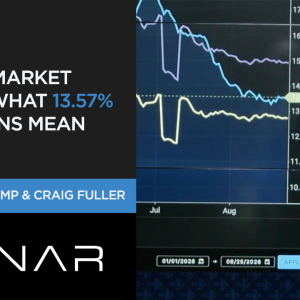
According to FreightWaves, truckload tender rejections have stabilized at approximately 13.57% following a seasonal peak that exceeded 17.5% in early July. This current level is being characterized by industry analysts as a healthy baseline rather than a sign of market fatigue. Data indicates a significant recovery from the start of the year, when rejection rates bottomed out at roughly 6% in January, suggesting the market has established a new floor for the current cycle.
During a recent SONAR data review, Craig Fuller noted that the threshold for market tightness has shifted. While brokers previously viewed an 8% rejection rate as a sign of a constrained market, that sentiment now applies to levels between 12% and 13%. At these current rates, intermediaries are seeing an increase in leverage with shippers. Despite the apparent stability, analysts expect upward pressure to return as the industry enters the final months of the year.
Market experts point to several seasonal factors that could drive rejection rates higher through the autumn. These include back-to-school shipping demands, a late Labor Day, and efforts by retailers to move West Coast imports early to mitigate inventory risks. Additionally, the industry is monitoring the impact of regulatory enforcement regarding driver licensing and English proficiency, which may affect year-over-year comparisons as the market approaches the one-year anniversary of these crackdowns.
Spot rates are already reflecting these shifting dynamics, showing a 7% increase in late August that recovered earlier monthly losses. Currently, accepted truckload volumes and total tender volumes are moving synchronously, creating a predictable environment for logistics planning. While carriers are successfully securing rate increases, shippers have not yet experienced significant service disruptions, providing a brief window for participants to balance their spot and contract freight allocations.
Editorial Desk — Trade Flow Insight. Reporting and market notes compiled by the Trade Flow Insight editorial team.
Related coverage

Elisabeth Braw: The Undersea War
A ship’s anchor can wreak havoc on the world’s undersea infrastructure, something that has provided plenty of rich material for Splash reporting in recent years. For Elisabeth Braw, the Cook Islands-flagged tanker Eagle S provides one of the most brazen examples. On Christmas Day 2024, the vessel was accused of dragging its anchor 90 km …

Borderlands Mexico: US takes 76% of vehicle exports as September shipments plunge
Borderlands Mexico is a weekly rundown of developments in the world of United States-Mexico cross-border trucking and trade. This week in Borderlands Mexico: US takes 76% of vehicle exports as September shipments plunge; DSV expands US-Mexico freight operations with McAllen office; and Texas university seeks $772,700 for AI-powered Laredo freight project. US takes 76% of vehicle exports as September shipments plunge More than three-quarters of Mexico’s light-vehicle exports were destined for the U.S. during the first nine months of 2026, underscoring the importance of cross-border automotive t

Oil Surges as Iran Tanker Attacks Escalate
Crude posted its biggest gain in a month amid Middle East tensions and hurricane-related production cuts.