
How long can the million-dollar VLCC market last?
Extremely high VLCC earnings and soaring secondhand values are driving a debate among analysts regarding the longevity of current market disruption.
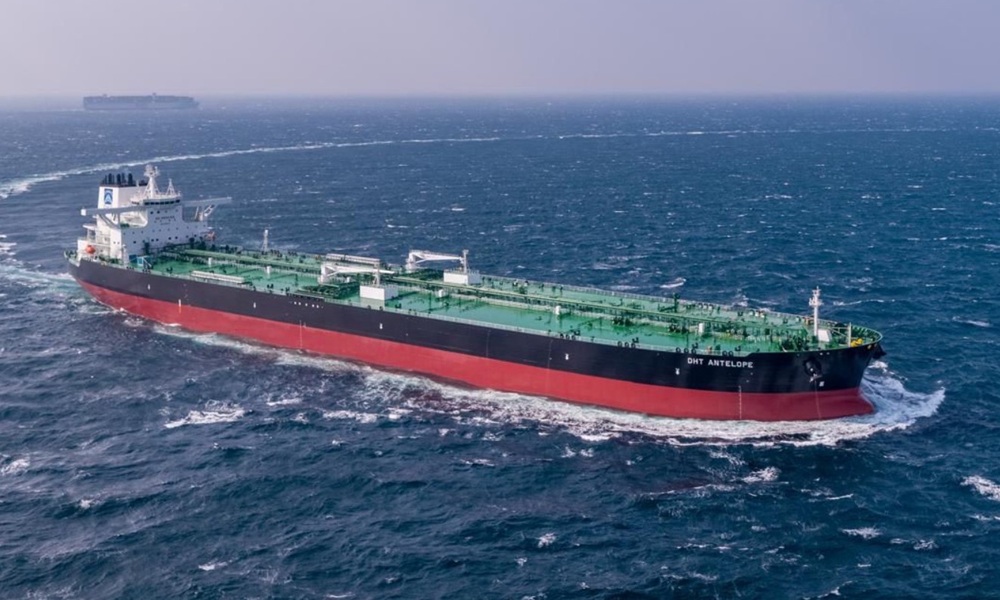
According to Splash 247, the VLCC sector has reached unprecedented levels, with spot earnings for Middle East to China routes exceeding $1 million daily. The intensity of the current market is reflected in the secondhand sector, where fifteen-year-old vessels are reportedly selling for higher prices than newbuild orders. This surge has split market observers into two camps: those who see a temporary spike and those who anticipate a prolonged era of high returns.
Morgan Stanley and BRS suggest that structural changes in global trade could support elevated earnings through 2027. Factors such as longer voyage distances, an aging global fleet, and the use of vessels for floating storage are restricting effective ship supply. BRS notes that roughly 15% of the mainstream VLCC fleet is currently occupied with Middle East shuttle duties, while Gibson observes that ship-to-ship transfers and increased waiting times are absorbing significant capacity despite lower crude volumes.
However, some analysts warn that these record-breaking rates may trigger their own decline. Breakwave Advisors points to a heavy vessel orderbook, with 177 VLCCs scheduled for delivery between 2026 and 2028, which could eventually lead to an industry downcycle. Additionally, Gibson highlights that high freight costs are already causing some shippers to switch to smaller Suezmax vessels, creating a risk of permanent demand destruction if pricing remains at these extremes.
While the bullish outlook relies on continued geopolitical disruption and inventory rebuilding, the bearish case focuses on the eventual normalization of the market. Even optimistic firms like BRS expect earnings to retreat from their current peaks by 2028, though they suggest the floor for this cycle will remain historically high. The market currently faces a tension between shrinking effective supply and the inevitable arrival of new tonnage.
Helena Marsh — Energy Markets Editor. Helena covers crude, refined products and the trading houses that move them, with a focus on price formation in the Mediterranean and Black Sea.
Related coverage

Elisabeth Braw: The Undersea War
A ship’s anchor can wreak havoc on the world’s undersea infrastructure, something that has provided plenty of rich material for Splash reporting in recent years. For Elisabeth Braw, the Cook Islands-flagged tanker Eagle S provides one of the most brazen examples. On Christmas Day 2024, the vessel was accused of dragging its anchor 90 km …

Borderlands Mexico: US takes 76% of vehicle exports as September shipments plunge
Borderlands Mexico is a weekly rundown of developments in the world of United States-Mexico cross-border trucking and trade. This week in Borderlands Mexico: US takes 76% of vehicle exports as September shipments plunge; DSV expands US-Mexico freight operations with McAllen office; and Texas university seeks $772,700 for AI-powered Laredo freight project. US takes 76% of vehicle exports as September shipments plunge More than three-quarters of Mexico’s light-vehicle exports were destined for the U.S. during the first nine months of 2026, underscoring the importance of cross-border automotive t

Oil Surges as Iran Tanker Attacks Escalate
Crude posted its biggest gain in a month amid Middle East tensions and hurricane-related production cuts.