
In-depth Suezmax study makes CAPEX case for T-BOSS® sterntubeless shaftline system
A study of Suezmax tankers indicates that Thordon Bearings’ T-BOSS shaftline system offers lower capital expenditures and greater design flexibility compared to oil-lubricated setups.
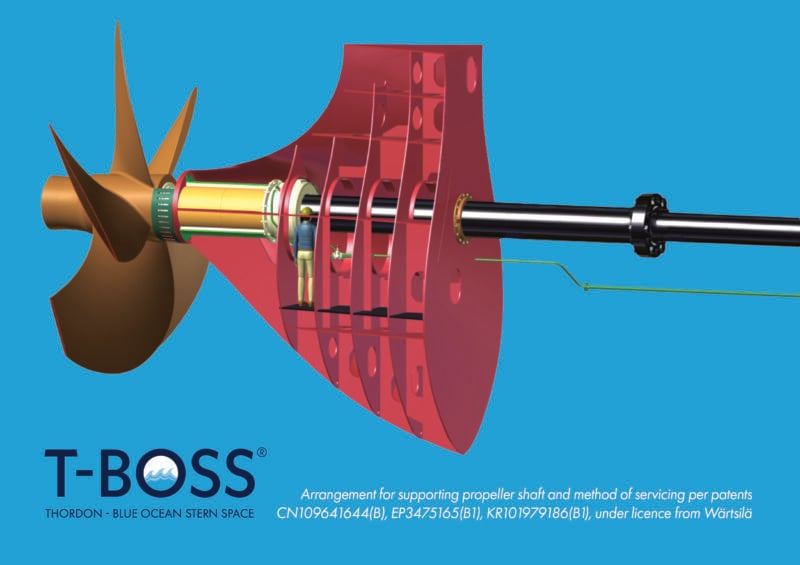
A recent evaluation conducted by Hydrus Engineering and reported by gCaptain highlights the financial and logistical advantages of adopting the T-BOSS sterntubeless shaftline. The study utilized data from a 274-meter Suezmax tanker to compare conventional oil-based systems against seawater-lubricated alternatives. Findings suggest that shipbuilders can reduce labor and installation expenses while gaining significant design flexibility due to a shorter shaft requirements. The research indicates that the system creates approximately 660 cubic meters of additional cargo volume. This extra room allows naval architects to reposition engines or install shaft generators, potentially aiding in carbon credit acquisition. The study notes that these technical advantages allow designers to "enhance layout flexibility at the early newbuild design stage" while simultaneously offering a more efficient stern arrangement to prospective vessel owners. Operating costs are also impacted by the removal of sterntube lubricating oil. Eliminating initial oil purchases and yearly lubricant expenses provides significant savings, while lower friction in polymer bearings further reduces annual fuel costs. Additionally, the system simplifies maintenance by allowing for bearing inspections and replacements while the vessel remains afloat, removing the immediate necessity for drydocking and lowering overall lifecycle expenditures. The T-BOSS solution was a collaborative development involving Thordon Bearings, Wärtsilä, the National Technical University of Athens, and the Shanghai Merchant Ship Design and Research Institute. By removing the risk of oil leakage, the system helps operators meet international environmental mandates without the need for specialized lubricants, positioning the technology as a safer and more economical choice for modern maritime logistics.
Editorial Desk — Trade Flow Insight. Reporting and market notes compiled by the Trade Flow Insight editorial team.
Related coverage

Elisabeth Braw: The Undersea War
A ship’s anchor can wreak havoc on the world’s undersea infrastructure, something that has provided plenty of rich material for Splash reporting in recent years. For Elisabeth Braw, the Cook Islands-flagged tanker Eagle S provides one of the most brazen examples. On Christmas Day 2024, the vessel was accused of dragging its anchor 90 km …
Borderlands Mexico: US takes 76% of vehicle exports as September shipments plunge
Borderlands Mexico is a weekly rundown of developments in the world of United States-Mexico cross-border trucking and trade. This week in Borderlands Mexico: US takes 76% of vehicle exports as September shipments plunge; DSV expands US-Mexico freight operations with McAllen office; and Texas university seeks $772,700 for AI-powered Laredo freight project. US takes 76% of vehicle exports as September shipments plunge More than three-quarters of Mexico’s light-vehicle exports were destined for the U.S. during the first nine months of 2026, underscoring the importance of cross-border automotive t

Oil Surges as Iran Tanker Attacks Escalate
Crude posted its biggest gain in a month amid Middle East tensions and hurricane-related production cuts.