
Panama Canal new capacity cuts put US ports on notice
The Panama Canal Authority is implementing new transit restrictions and postponing draft increases as water shortages threaten global shipping reliability and U.S. port operations.
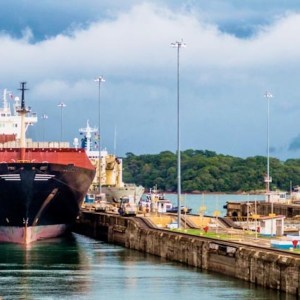
The Panama Canal Authority has issued an advisory to the shipping industry detailing new reductions in daily vessel transits starting in September. According to a report by FreightWaves, the waterway will decrease daily passages from 36 to 34 on September 4, with a further drop to 32 transits scheduled for September 15. Additionally, the authority has delayed previously announced draft increases for Neopanamax vessels, which directly limits the volume of cargo each ship can carry through the locks.
These operational changes are driven by a significant lack of rainfall, with watershed levels currently 34% below historical averages. Officials are moving to conserve the water supply in Lake Gatun not only for current maritime traffic but to ensure adequate resources for human consumption and the 2027 dry season. The authority noted that despite the onset of the rainy season, the watershed is failing to produce the expected hydrologic recovery, creating a direct constraint on global logistics.
The restrictions pose a significant challenge for U.S. trade, as more than 70% of the canal's cargo either originates from or is headed to American ports. Shippers may face higher costs and longer transit times if they are forced to reroute vessels around the Suez Canal or the Cape of Good Hope. Alternatively, increased demand for U.S. West Coast ports and transcontinental rail could strain inland infrastructure, which has already seen recent volume surges and network slowdowns.
For logistics managers and commodity traders, the immediate risks involve service reliability and fluctuating freight rates. Higher costs for fuel and canal reservations, along with unpredictable arrival schedules at East and Gulf Coast terminals, could disrupt retail inventories and industrial production. The canal authority emphasized that securing a confirmed reservation remains the only way to avoid the risk of "extended delays" as competition for available transit slots intensifies.
Editorial Desk — Trade Flow Insight. Reporting and market notes compiled by the Trade Flow Insight editorial team.
Related coverage

Elisabeth Braw: The Undersea War
A ship’s anchor can wreak havoc on the world’s undersea infrastructure, something that has provided plenty of rich material for Splash reporting in recent years. For Elisabeth Braw, the Cook Islands-flagged tanker Eagle S provides one of the most brazen examples. On Christmas Day 2024, the vessel was accused of dragging its anchor 90 km …

Borderlands Mexico: US takes 76% of vehicle exports as September shipments plunge
Borderlands Mexico is a weekly rundown of developments in the world of United States-Mexico cross-border trucking and trade. This week in Borderlands Mexico: US takes 76% of vehicle exports as September shipments plunge; DSV expands US-Mexico freight operations with McAllen office; and Texas university seeks $772,700 for AI-powered Laredo freight project. US takes 76% of vehicle exports as September shipments plunge More than three-quarters of Mexico’s light-vehicle exports were destined for the U.S. during the first nine months of 2026, underscoring the importance of cross-border automotive t

Oil Surges as Iran Tanker Attacks Escalate
Crude posted its biggest gain in a month amid Middle East tensions and hurricane-related production cuts.