
Trucking Downturn: Why 85% of New Carriers Didn’t Survive
A prolonged trucking downturn resulted in an 85% failure rate for new motor carriers as inflated equipment costs and falling rates crippled small operators.

Recent industry data highlights a severe contraction in the for-hire trucking sector, where 85% of motor carriers with less than two years of experience failed during the latest market cycle. Kirk Mann of Mitsubishi HC Capital America explained in a FreightWaves interview that this three-and-a-half-year downturn was defined by an unprecedented equipment bubble. Many small operators entered the market by financing used trucks at prices nearly triple their historical values, leaving them with unsustainable debt when freight rates eventually corrected. Lenders have responded to the resulting defaults by utilizing loan restructurings rather than immediate repossessions to manage inventory levels. While major fleets have maintained relatively stable balance sheets, smaller operators now face financing rates as high as 12% or more. This financial pressure, combined with high interest rates and the requirement for larger down payments, has shifted mid-sized carriers toward alternative capital sources as traditional banks tighten their liquidity requirements for the transportation sector. The current market recovery remains fragile and dependent on a significant rebound in freight demand. Although spot rates have shown signs of stabilizing and rejection rates are rising, carriers are hesitant to expand or replace aging equipment until volume increases. Mann noted that while the industry is entering a growth phase, the recovery is uneven, and stakeholders are waiting for "the demand of freight to increase" before committing to new fleet investments or large-scale equipment orders.
Editorial Desk — Trade Flow Insight. Reporting and market notes compiled by the Trade Flow Insight editorial team.
Related coverage

Elisabeth Braw: The Undersea War
A ship’s anchor can wreak havoc on the world’s undersea infrastructure, something that has provided plenty of rich material for Splash reporting in recent years. For Elisabeth Braw, the Cook Islands-flagged tanker Eagle S provides one of the most brazen examples. On Christmas Day 2024, the vessel was accused of dragging its anchor 90 km …
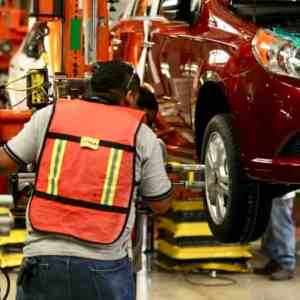
Borderlands Mexico: US takes 76% of vehicle exports as September shipments plunge
Borderlands Mexico is a weekly rundown of developments in the world of United States-Mexico cross-border trucking and trade. This week in Borderlands Mexico: US takes 76% of vehicle exports as September shipments plunge; DSV expands US-Mexico freight operations with McAllen office; and Texas university seeks $772,700 for AI-powered Laredo freight project. US takes 76% of vehicle exports as September shipments plunge More than three-quarters of Mexico’s light-vehicle exports were destined for the U.S. during the first nine months of 2026, underscoring the importance of cross-border automotive t

Oil Surges as Iran Tanker Attacks Escalate
Crude posted its biggest gain in a month amid Middle East tensions and hurricane-related production cuts.