
Turning policy into steel. Turning vision into ships
The U.S. Maritime Administration and CORE POWER have established a new cooperation framework to develop a domestic fleet of nuclear-powered merchant vessels.
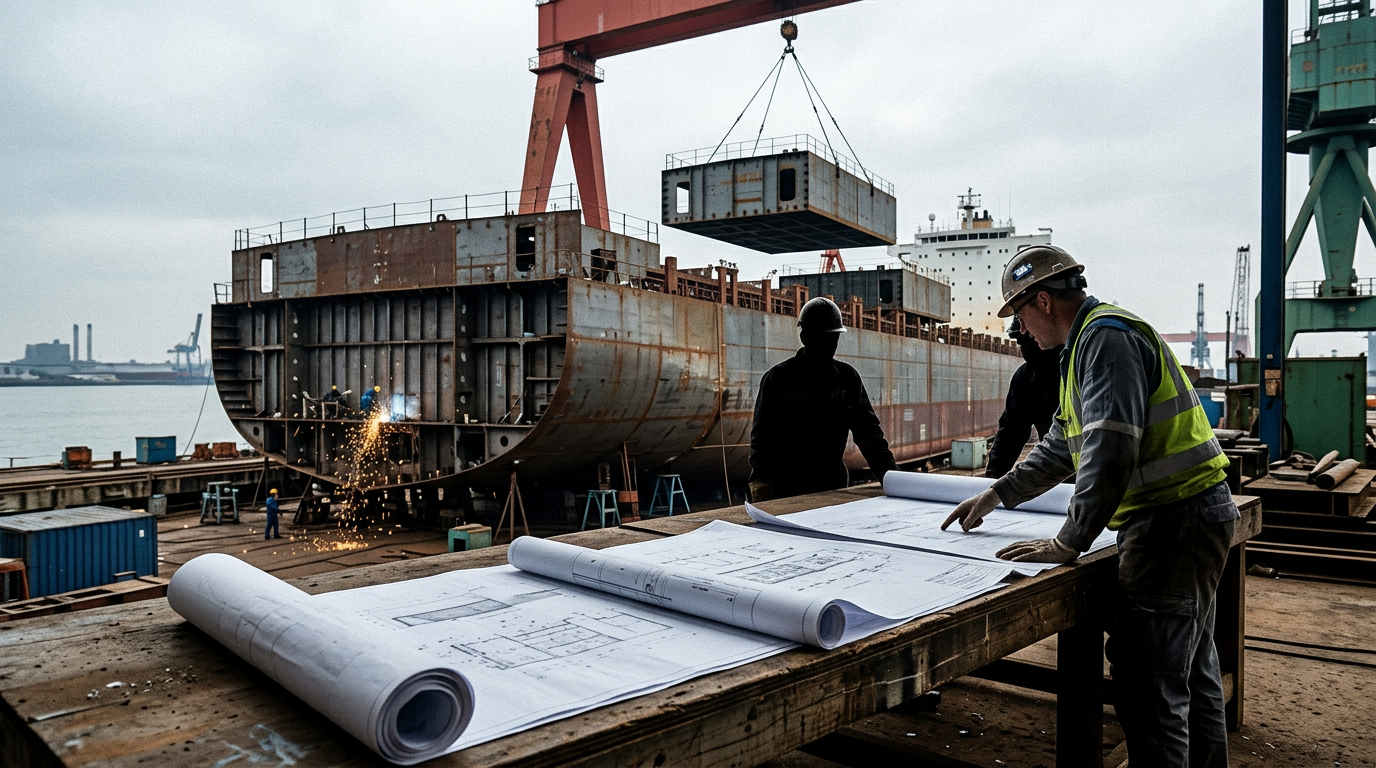
The United States Maritime Administration and CORE POWER (US) Inc. have entered into a formal cooperation agreement to develop a commercial pathway for nuclear-powered merchant ships. According to Hellenic Shipping News, this federal-private partnership aims to establish the regulatory and industrial infrastructure required for a U.S.-flagged nuclear fleet. The initiative is part of a broader strategy to revitalize the American maritime sector and regain global competitiveness.
The program is designed to counter the maritime dominance of China, which is currently investing in nuclear manufacturing and merchant ship concepts. CORE POWER intends to begin construction on these specialized vessels by 2028. To accelerate production, the plan involves utilizing shipbuilding capacity from allies in Japan and Korea for conventional hulls while focusing high-end nuclear integration and lifecycle support within the United States.
Nuclear propulsion offers significant operational advantages over traditional vessels by providing high power for several years without refueling and eliminating engine emissions. Maritime Administrator Stephen M. Carmel noted that this technology represents a major commercial opportunity that requires a complete system that is "safe, secure, licensable, and investable." This framework will address challenges regarding port operations, insurance, and workforce credentialing.
A dedicated domestic shipyard is planned to handle the installation of reactors, fueling, and long-term maintenance. This facility is expected to strengthen the broader industrial base by expanding the supply chain and the number of qualified nuclear engineers. The agreement aligns with the current administration's Maritime Action Plan to mobilize private investment and ensure national energy and maritime security.
Editorial Desk — Trade Flow Insight. Reporting and market notes compiled by the Trade Flow Insight editorial team.
Related coverage

Elisabeth Braw: The Undersea War
A ship’s anchor can wreak havoc on the world’s undersea infrastructure, something that has provided plenty of rich material for Splash reporting in recent years. For Elisabeth Braw, the Cook Islands-flagged tanker Eagle S provides one of the most brazen examples. On Christmas Day 2024, the vessel was accused of dragging its anchor 90 km …

Borderlands Mexico: US takes 76% of vehicle exports as September shipments plunge
Borderlands Mexico is a weekly rundown of developments in the world of United States-Mexico cross-border trucking and trade. This week in Borderlands Mexico: US takes 76% of vehicle exports as September shipments plunge; DSV expands US-Mexico freight operations with McAllen office; and Texas university seeks $772,700 for AI-powered Laredo freight project. US takes 76% of vehicle exports as September shipments plunge More than three-quarters of Mexico’s light-vehicle exports were destined for the U.S. during the first nine months of 2026, underscoring the importance of cross-border automotive t

Oil Surges as Iran Tanker Attacks Escalate
Crude posted its biggest gain in a month amid Middle East tensions and hurricane-related production cuts.