
U.S. Takes Next Step Toward Nuclear-Powered Commercial Ships
The U.S. Maritime Administration and CORE POWER have entered an agreement to study the regulatory and logistical frameworks required for domestic nuclear-powered commercial vessels.
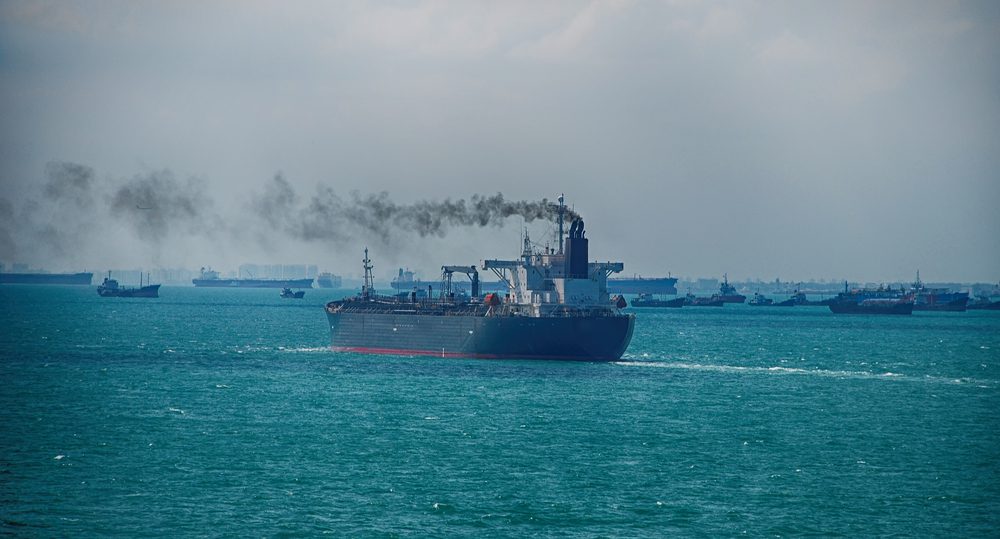
The U.S. Maritime Administration has entered into a formal cooperation agreement with CORE POWER to investigate the potential for domestic nuclear-propelled commercial vessels. According to gCaptain, this partnership represents the third major agreement under a broader Department of Transportation initiative focused on integrating small modular reactors into the shipping sector. The effort aligns with a strategic push by the Trump administration to link national maritime strength with energy dominance.
The collaboration seeks to navigate significant hurdles currently preventing the commercialization of nuclear shipping. These include establishing protocols for port operations, determining how to credential crews for nuclear service, and securing necessary insurance and financing. Maritime Administrator Stephen Carmel noted that the transition must be managed as a complete system that is both safe and investable, rather than focusing solely on the technology itself.
This move follows similar preliminary agreements between the government and the ports of Long Beach and Corpus Christi, which are exploring shoreside power and testing environments. Unlike those port-specific deals, the new arrangement brings a technology developer directly into the process. CORE POWER leadership suggests these steps are necessary for American competitiveness, as other nations like China are already advancing toward utilizing nuclear energy for large-scale merchant shipping operations.
While the agreements signify an acceleration of interest in the sector, they remain strictly exploratory. The federal government has not yet authorized the construction of any nuclear vessels or committed to a specific reactor design. Instead, the current phase focuses on coordinating with various federal agencies to address the high costs and complex safety standards that have historically limited nuclear power to naval and icebreaking fleets.
Editorial Desk — Trade Flow Insight. Reporting and market notes compiled by the Trade Flow Insight editorial team.
Related coverage

Elisabeth Braw: The Undersea War
A ship’s anchor can wreak havoc on the world’s undersea infrastructure, something that has provided plenty of rich material for Splash reporting in recent years. For Elisabeth Braw, the Cook Islands-flagged tanker Eagle S provides one of the most brazen examples. On Christmas Day 2024, the vessel was accused of dragging its anchor 90 km …

Borderlands Mexico: US takes 76% of vehicle exports as September shipments plunge
Borderlands Mexico is a weekly rundown of developments in the world of United States-Mexico cross-border trucking and trade. This week in Borderlands Mexico: US takes 76% of vehicle exports as September shipments plunge; DSV expands US-Mexico freight operations with McAllen office; and Texas university seeks $772,700 for AI-powered Laredo freight project. US takes 76% of vehicle exports as September shipments plunge More than three-quarters of Mexico’s light-vehicle exports were destined for the U.S. during the first nine months of 2026, underscoring the importance of cross-border automotive t

Oil Surges as Iran Tanker Attacks Escalate
Crude posted its biggest gain in a month amid Middle East tensions and hurricane-related production cuts.