
U.S. Threatens Iran’s Trading Partners in New Economic Pressure Campaign
Treasury Secretary Scott Bessent announces an aggressive economic campaign to isolate Iran by threatening sanctions against global trading partners and financial institutions.
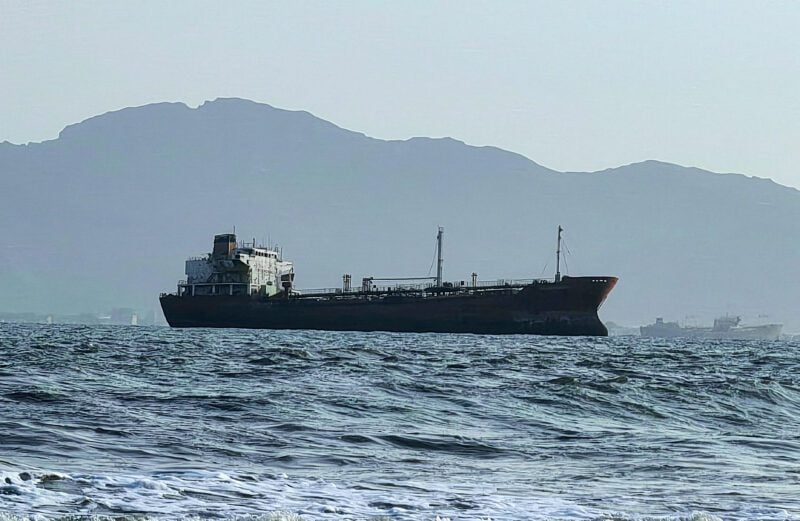
U.S. Treasury Secretary Scott Bessent has announced a major economic offensive designed to sever Iran's international financial ties. According to gCaptain, the strategy involves pressuring foreign governments to end their commercial interactions with the Iranian regime or face unilateral American penalties. President Trump has reportedly begun contacting world leaders directly to issue specific demands and timelines for cutting these economic links to end months of ongoing regional conflict.
The new measures specifically target five sectors identified as essential to the Iranian economy: shipping, aviation, gold, technology, and digital assets. While the Treasury recently blacklisted more than 60 entities, officials indicated that a significant financial institution could be sanctioned by the end of the week. Bessent described the administration's broad strategy as an effort to achieve the "economic asphyxiation of this regime" through global financial isolation.
The campaign faces significant challenges regarding major oil consumers like China, which remains a primary buyer of Iranian crude. While the administration maintains that no nation is immune to U.S. sanctions, it has opted for diplomacy over immediate penalties against large foreign banks to avoid destabilizing the global financial system. Analysts suggest the true effectiveness of the policy depends on whether the U.S. will risk trade stability to enforce these secondary sanctions.
Iranian officials have dismissed the threats as empty rhetoric, claiming the United States lacks the economic leverage to further restrict global trade relations. Meanwhile, the prospect of heightened enforcement creates uncertainty for key regional partners like Turkey, which relies on Iran for energy supplies. The U.S. move follows previous attempts to curb Iranian influence, yet it remains unclear if these latest financial pressures will secure control over vital maritime corridors like the Strait of Hormuz.
Editorial Desk — Trade Flow Insight. Reporting and market notes compiled by the Trade Flow Insight editorial team.
Related coverage

Elisabeth Braw: The Undersea War
A ship’s anchor can wreak havoc on the world’s undersea infrastructure, something that has provided plenty of rich material for Splash reporting in recent years. For Elisabeth Braw, the Cook Islands-flagged tanker Eagle S provides one of the most brazen examples. On Christmas Day 2024, the vessel was accused of dragging its anchor 90 km …

Borderlands Mexico: US takes 76% of vehicle exports as September shipments plunge
Borderlands Mexico is a weekly rundown of developments in the world of United States-Mexico cross-border trucking and trade. This week in Borderlands Mexico: US takes 76% of vehicle exports as September shipments plunge; DSV expands US-Mexico freight operations with McAllen office; and Texas university seeks $772,700 for AI-powered Laredo freight project. US takes 76% of vehicle exports as September shipments plunge More than three-quarters of Mexico’s light-vehicle exports were destined for the U.S. during the first nine months of 2026, underscoring the importance of cross-border automotive t

Oil Surges as Iran Tanker Attacks Escalate
Crude posted its biggest gain in a month amid Middle East tensions and hurricane-related production cuts.