
Uber Freight: US-Mexico capacity crunch could ‘get worse before it gets better’
A narrowing pool of B-1 visa drivers is creating significant cargo backlogs at the U.S.-Mexico border despite an abundance of available trucking equipment.

A shortage of B-1 visa drivers is causing a capacity squeeze for trucking between Mexico and the United States, according to a report from FreightWaves. Heightened enforcement of visa regulations, English language requirements, and stricter cabotage rules have reduced the number of qualified drivers. Consequently, northbound cargo is piling up in Nuevo Laredo while shipping rates rise, even though there are approximately nine trailers available for every active driver.
Uber Freight executive Zeid Houssami told FreightWaves that the driver deficit is a structural constraint that prevents the market from absorbing growing trade volumes. While equipment supply remains high, the difficulty in renewing visas and increased scrutiny of previous operations have discouraged drivers from crossing the border. In response, some Mexican firms are recruiting candidates from southern regions to provide them with specialized English and regulatory training.
Shippers are being urged to consider transloading as a solution to avoid delays. This method involves using a Mexican driver to reach the border and transferring cargo to a U.S. driver for the final leg, bypassing the need for a B-1 qualified operator. Houssami noted that while this can prevent freight from becoming stranded, the industry has been slow to adopt the practice due to concerns regarding potential cargo damage during the transfer process.
The ongoing capacity issues arrive amid broader trade uncertainties, including shifting tariff policies and potential changes to the United States-Mexico-Canada Agreement. These factors have led some businesses to pause manufacturing expansions in Mexico. With northbound demand continuing to outpace southbound volume, Houssami warned that the current logistical difficulties for cross-border freight are "probably going to get worse before it gets better."
Editorial Desk — Trade Flow Insight. Reporting and market notes compiled by the Trade Flow Insight editorial team.
Related coverage

Elisabeth Braw: The Undersea War
A ship’s anchor can wreak havoc on the world’s undersea infrastructure, something that has provided plenty of rich material for Splash reporting in recent years. For Elisabeth Braw, the Cook Islands-flagged tanker Eagle S provides one of the most brazen examples. On Christmas Day 2024, the vessel was accused of dragging its anchor 90 km …
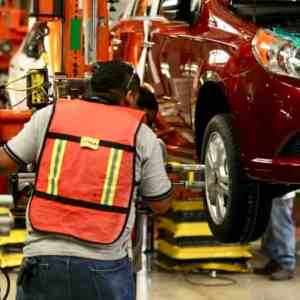
Borderlands Mexico: US takes 76% of vehicle exports as September shipments plunge
Borderlands Mexico is a weekly rundown of developments in the world of United States-Mexico cross-border trucking and trade. This week in Borderlands Mexico: US takes 76% of vehicle exports as September shipments plunge; DSV expands US-Mexico freight operations with McAllen office; and Texas university seeks $772,700 for AI-powered Laredo freight project. US takes 76% of vehicle exports as September shipments plunge More than three-quarters of Mexico’s light-vehicle exports were destined for the U.S. during the first nine months of 2026, underscoring the importance of cross-border automotive t

Oil Surges as Iran Tanker Attacks Escalate
Crude posted its biggest gain in a month amid Middle East tensions and hurricane-related production cuts.