
Washington turns to nuclear power in shipbuilding revival
The United States Maritime Administration and CORE POWER have signed a cooperation agreement to develop a domestic fleet of nuclear-powered commercial vessels.
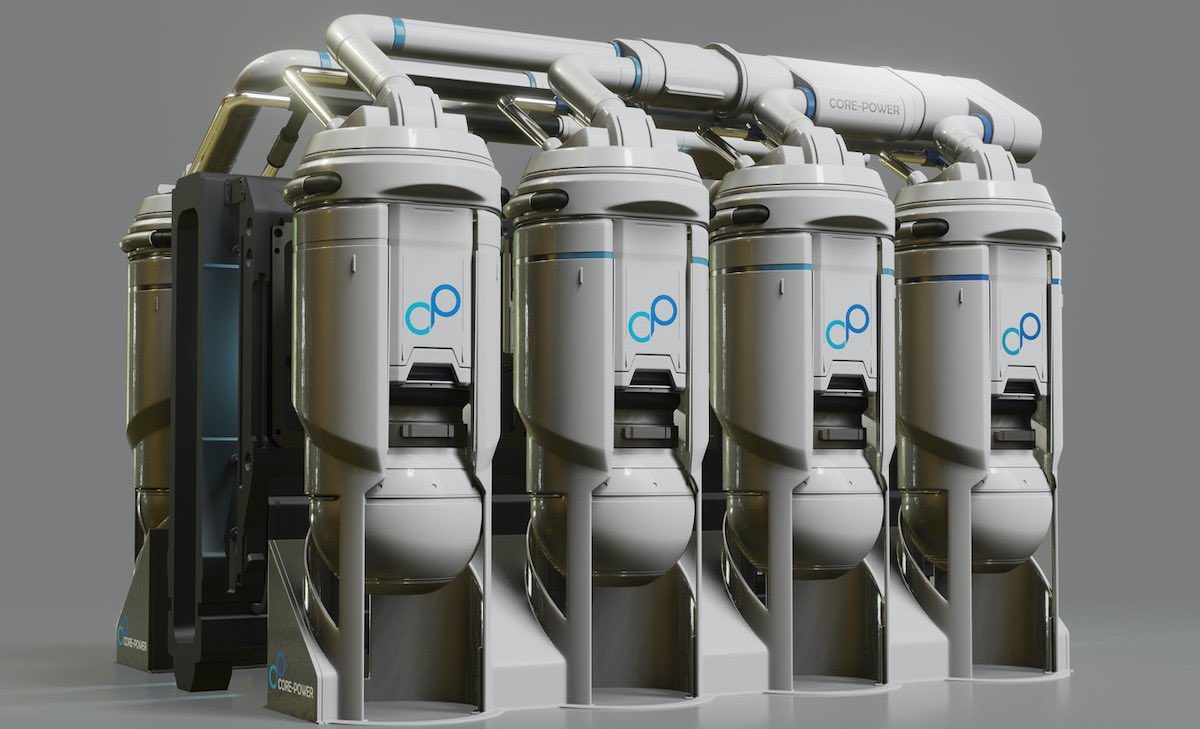
The United States Maritime Administration has entered into a formal cooperation agreement with CORE POWER to facilitate the development of nuclear-powered commercial vessels under the American flag. According to Splash 247, the partnership aims to overcome longstanding barriers that have previously limited nuclear propulsion technology to military applications. While the agreement does not involve direct financial commitments or vessel procurement by the government, it seeks to address regulatory and operational hurdles. This initiative aligns with a broader strategy by the Trump administration to revitalize domestic maritime capabilities in response to international competition. CORE POWER CEO Mikal Bøe noted that foreign competitors are already pursuing nuclear merchant ships, stating that this reality "should focus minds in Washington." The proposed model involves utilizing allied shipyards in Japan and South Korea for hull construction, while focusing nuclear integration and lifecycle support within the United States. The collaboration will establish a framework to tackle complex issues including reactor fueling, insurance, port access, and workforce training. This movement coincides with international efforts to update maritime safety codes for nuclear vessels by 2030. Additionally, other industry leaders are exploring similar paths, with Maersk reportedly preparing to investigate a transatlantic nuclear shipping corridor between the United Kingdom and the United States.
Editorial Desk — Trade Flow Insight. Reporting and market notes compiled by the Trade Flow Insight editorial team.
Related coverage

Elisabeth Braw: The Undersea War
A ship’s anchor can wreak havoc on the world’s undersea infrastructure, something that has provided plenty of rich material for Splash reporting in recent years. For Elisabeth Braw, the Cook Islands-flagged tanker Eagle S provides one of the most brazen examples. On Christmas Day 2024, the vessel was accused of dragging its anchor 90 km …
Borderlands Mexico: US takes 76% of vehicle exports as September shipments plunge
Borderlands Mexico is a weekly rundown of developments in the world of United States-Mexico cross-border trucking and trade. This week in Borderlands Mexico: US takes 76% of vehicle exports as September shipments plunge; DSV expands US-Mexico freight operations with McAllen office; and Texas university seeks $772,700 for AI-powered Laredo freight project. US takes 76% of vehicle exports as September shipments plunge More than three-quarters of Mexico’s light-vehicle exports were destined for the U.S. during the first nine months of 2026, underscoring the importance of cross-border automotive t

Oil Surges as Iran Tanker Attacks Escalate
Crude posted its biggest gain in a month amid Middle East tensions and hurricane-related production cuts.