
AI in Warehousing: How AutoScheduler Drives Supply Chain Efficiency
AutoScheduler CEO Keith Moore outlines how warehouse orchestration software addresses the disconnect between isolated automation and operational efficiency.
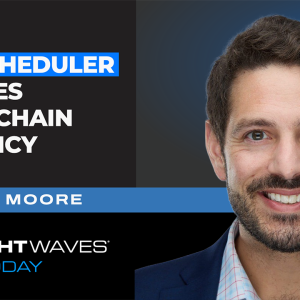
Despite the rise of logistics technology, only a small fraction of supply chain operations have implemented robotics beyond isolated tasks. In an interview with FreightWaves, AutoScheduler AI CEO Keith Moore suggested that the primary hurdle to warehouse efficiency is not a lack of hardware, but the absence of an orchestration layer to coordinate site activities. This gap persists as many industry leaders remain uncertain about the specific returns on investment provided by artificial intelligence.
AutoScheduler, which originated from a project at Procter & Gamble, utilizes an operational twin to simulate facility flows and manage inventory movements. The platform is designed to respond dynamically to common disruptions such as equipment failures, staffing shortages, or shipping delays. By modeling these variables, the software aims to improve truck utilization and service levels while providing management with measurable data on productivity gains.
Moore attributed the historical lag in warehousing innovation to a shortage of specialized technical talent and limited executive focus on supply chain budgets compared to sales or marketing. He noted that while supply chain visibility has recently gained attention at the board level, cultural shifts within the workforce occur slowly. He argues that the platform allows companies to demonstrate that "pick density has gone up by 25%," providing the evidence needed for further tech investment.
For operators looking to integrate these tools, Moore recommended documenting existing decision-making processes before deploying new software. He observed that many firms focus on data collection without understanding the specific logic used to run daily operations. By mapping these workflows first, companies can identify which decisions are best suited for automation to incrementally improve output and labor requirements.
Editorial Desk — Trade Flow Insight. Reporting and market notes compiled by the Trade Flow Insight editorial team.
Verwandte Beiträge
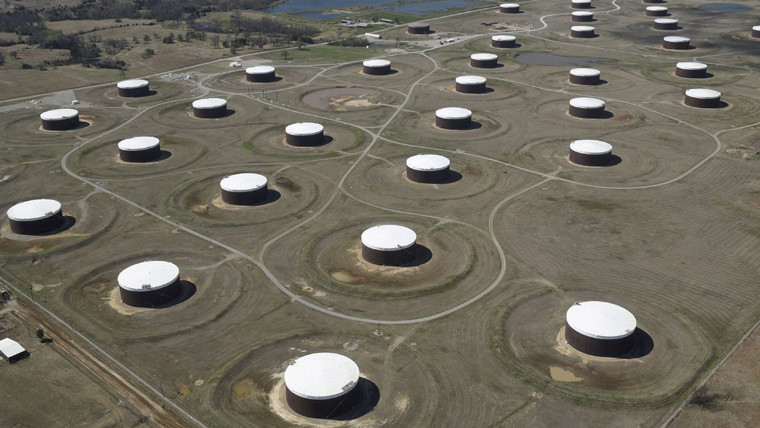
Ölpreise bleiben hoch, da der Krieg das Angebot bis 2027 knapp hält
Während der ersten drei Monate des Krieges der USA und Israels mit dem Iran war die vorherrschende Stimmung an den Ölmärkten, dass der Konflikt jeden Tag enden könnte. Der kurze Waffenstillstand im Juni verstärkte diesen Optimismus, sodass es eine Weile dauerte, bis man den Tatsachen ins Auge sah: Der Krieg würde nicht so bald enden. Er könnte sich sogar bis ins nächste Jahr erstrecken – und das bedeutet dauerhaft höhere Preise. Der ICE Brent Crude Futures-Kontrakt für Januar 2027 wird bei 102,59 USD pro Barrel gehandelt. Der Kontrakt für Juni 2027 liegt mit 92,71 USD pro Barrel nur geringfügi
Wer profitiert von diffamierenden Websites?
Eine quellenbasierte Untersuchung der Berichterstattung über Netzwerke, die beschuldigt werden, rufschädigende Behauptungen über Cluster von Websites hinweg zu kopieren, sowie die damit verbundenen rechtlichen und technischen Herausforderungen bei der Reaktion darauf.
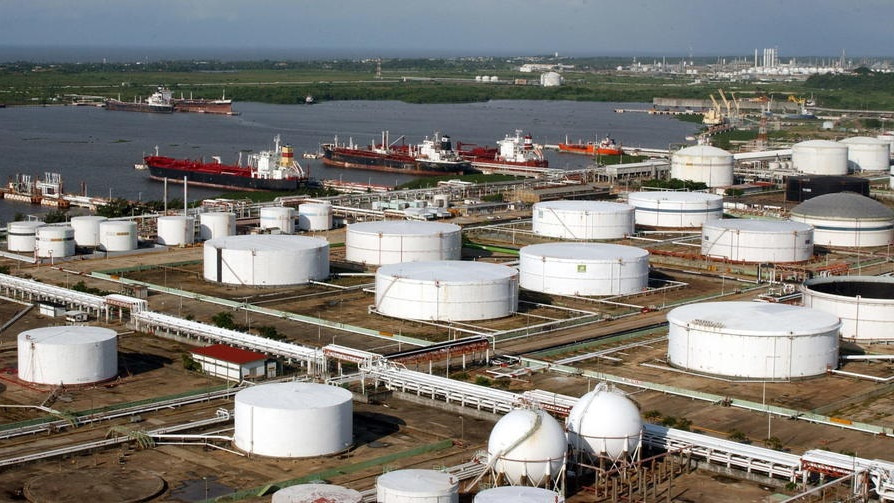
Das neue Normal beim Öl sind höhere Preise
Die Ölpreise gaben am Dienstag nach und machten die jüngsten Gewinne wieder wett, da Investoren Anzeichen einer Erholung der Exporte durch Produzenten im Nahen Osten gegen die Unsicherheit bezüglich des Ausgangs des Iran-Kriegs abwägten. Brent-Rohöl für die Lieferung im November fiel um 1,5 % auf 103,72 USD pro Barrel um 13:10 Uhr ET, während WTI-Rohöl für die Lieferung im Oktober um 2,2 % auf 90,62 USD/bbl nachgab. Die Rohölexporte aus der Region stiegen im September auf 15,5 Millionen Barrel pro Tag, was mehr als 80 % des Vorkriegsniveaus entspricht und der höchste Stand seit Beginn des Konf