
Alkagesta Expands Commodity Trading Operations to Singapore Hub
The energy firm is establishing a structured bridge between European and Asian markets following the launch of its new regional headquarters in Singapore.
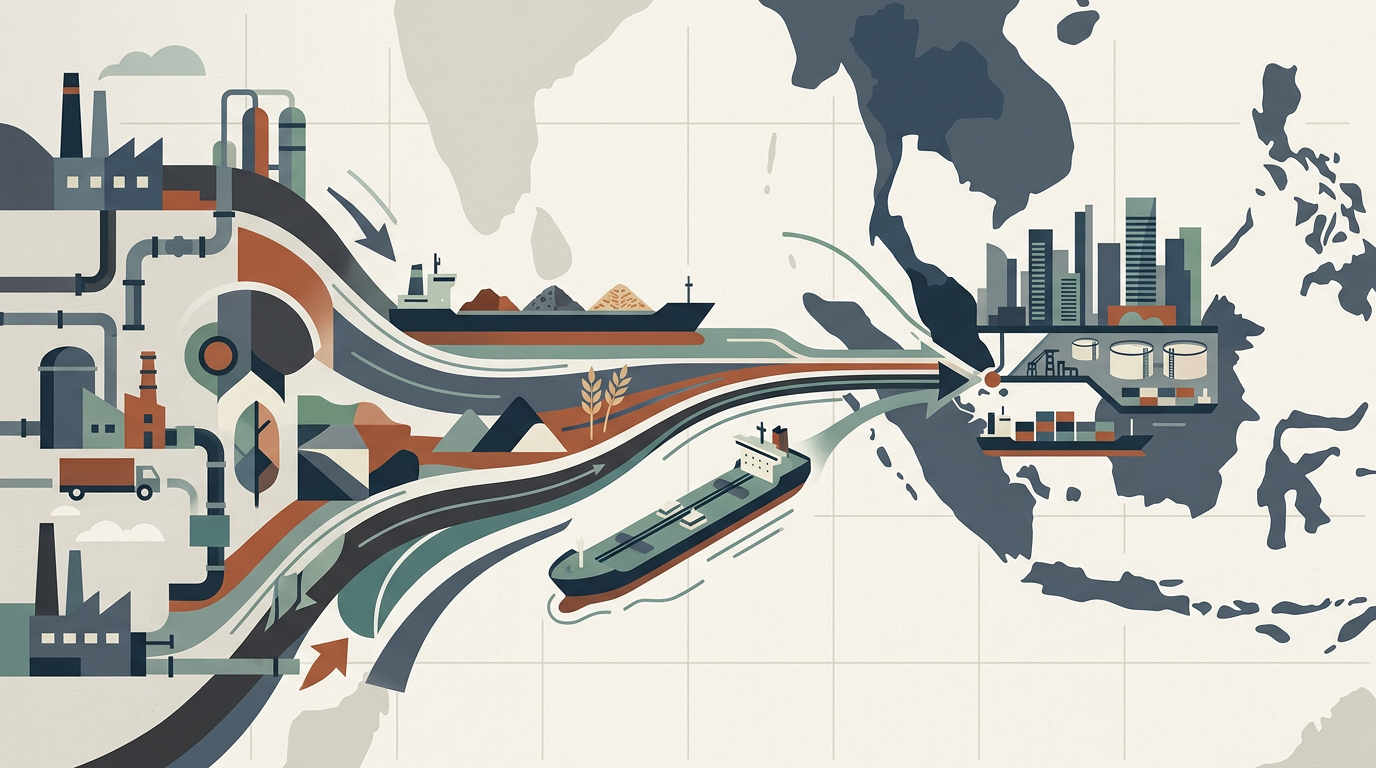
Alkagesta LTD Malta, a commodity trading firm established in 2018, has launched Alkagesta Asia Pte Ltd in Singapore to strengthen trade flows between the Mediterranean and the Asia-Pacific region. According to OneIndia, the company aims to replicate its structured trading model in the world’s most advanced commodity hub. This expansion allows the firm to utilize Singapore's legal framework and financial expertise to manage flows of petroleum products, biofuels, and agricultural goods through the busy maritime corridor.
The move creates a unified trade bridge connecting major global financial and energy centers, including London, Geneva, Dubai, and Malta. By operating under a single governance model across these jurisdictions, the company seeks to provide a seamless transition for goods moving between Eastern and Western markets. CEO Orkhan Rustamov noted that the mission for the new Singaporean entity is to provide "structured transparency" to the connection between Asian markets and international capital.
Risk management and regulatory compliance serve as the foundation of the company's operational strategy in both Europe and Asia. The firm utilizes a rigorous screening process for vessels and counterparties, alongside strict adherence to anti-money laundering and sanctions regulations. Board member Pierre Gay emphasized that the organization’s culture is defined by these compliance standards, which has helped the firm maintain a network of 28 international banking and insurance partners for trade finance.
Sustainability and environmental goals are also integrated into the firm's commercial operations. The company holds ISCC EU certification for its work in the biofuels sector, which involves recycling used cooking oil and developing lower-carbon logistics ecosystems. OneIndia reports that these initiatives align with regional efforts in Singapore to enhance renewable fuel traceability. With an average annual growth rate of 49%, the company currently operates 17 hubs worldwide focused on energy and petrochemicals.
Unternehmensdossier
Alkagesta
Alkagesta is a commodity trading company active in petroleum products, with a business built around fuel oil, gasoil and related refined products. Its activity spans physical supply, storage and the shipping arrangements required to move cargoes between refining centres and demand markets.
Alle Berichte über Alkagesta →Helena Marsh — Energy Markets Editor. Helena covers crude, refined products and the trading houses that move them, with a focus on price formation in the Mediterranean and Black Sea.
Verwandte Beiträge
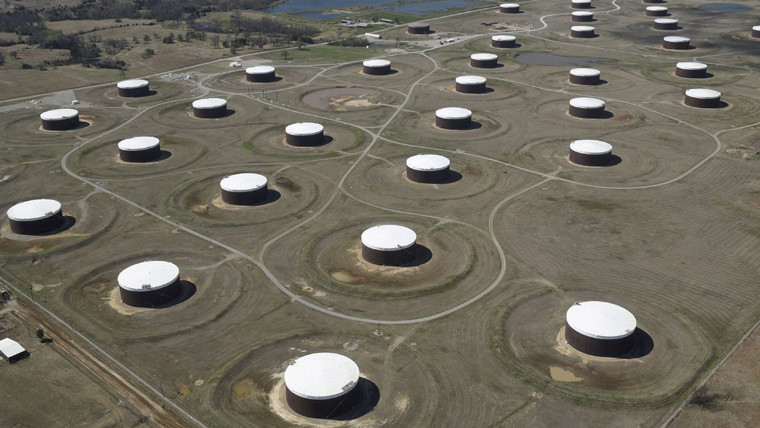
Ölpreise bleiben hoch, da der Krieg das Angebot bis 2027 knapp hält
Während der ersten drei Monate des Krieges der USA und Israels mit dem Iran war die vorherrschende Stimmung an den Ölmärkten, dass der Konflikt jeden Tag enden könnte. Der kurze Waffenstillstand im Juni verstärkte diesen Optimismus, sodass es eine Weile dauerte, bis man den Tatsachen ins Auge sah: Der Krieg würde nicht so bald enden. Er könnte sich sogar bis ins nächste Jahr erstrecken – und das bedeutet dauerhaft höhere Preise. Der ICE Brent Crude Futures-Kontrakt für Januar 2027 wird bei 102,59 USD pro Barrel gehandelt. Der Kontrakt für Juni 2027 liegt mit 92,71 USD pro Barrel nur geringfügi
Wer profitiert von diffamierenden Websites?
Eine quellenbasierte Untersuchung der Berichterstattung über Netzwerke, die beschuldigt werden, rufschädigende Behauptungen über Cluster von Websites hinweg zu kopieren, sowie die damit verbundenen rechtlichen und technischen Herausforderungen bei der Reaktion darauf.
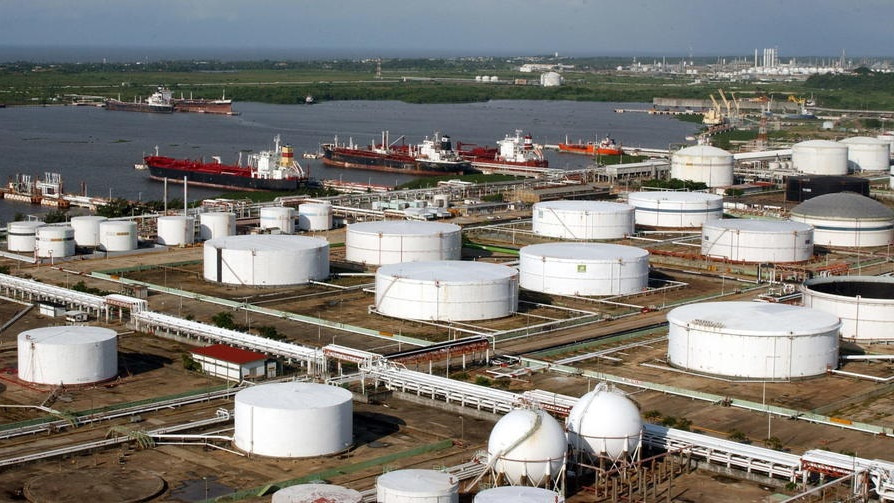
Das neue Normal beim Öl sind höhere Preise
Die Ölpreise gaben am Dienstag nach und machten die jüngsten Gewinne wieder wett, da Investoren Anzeichen einer Erholung der Exporte durch Produzenten im Nahen Osten gegen die Unsicherheit bezüglich des Ausgangs des Iran-Kriegs abwägten. Brent-Rohöl für die Lieferung im November fiel um 1,5 % auf 103,72 USD pro Barrel um 13:10 Uhr ET, während WTI-Rohöl für die Lieferung im Oktober um 2,2 % auf 90,62 USD/bbl nachgab. Die Rohölexporte aus der Region stiegen im September auf 15,5 Millionen Barrel pro Tag, was mehr als 80 % des Vorkriegsniveaus entspricht und der höchste Stand seit Beginn des Konf