
Alkagesta Integrates Waste Feedstocks into Global Green Finance Flows
The London-based firm is leveraging UK financial infrastructure to transform used cooking oil into a bankable asset class within the growing circular economy.

According to the International Business Times UK, London-based Alkagesta is positioning itself at the intersection of renewable fuel markets and green finance. By aggregating used cooking oil (UCO) and animal fats, the firm is addressing the growing demand for waste-derived feedstocks necessitated by the UK’s Renewable Transport Fuel Obligation. This policy requires fuel suppliers to blend low-carbon biofuels, contributing to a 10% year-on-year increase in renewable fuel supply for 2023.
The company operates a tri-continental network spanning London, Malta, and Singapore to manage commodity trading, logistics, and capital structuring. While the UK office focuses on institutional partnerships and financing bio-feedstock projects, the Singapore hub serves as a strategic bridge between Asian producers and global capital. Alkagesta CEO Orkhan Rustamov noted that the company’s customers value "trust and transparency," describing their presence in Singapore as essential for maintaining compliant fuel flows between major international markets.
Despite market volatility, with UCO-based hydrotreated vegetable oil prices ranging between $1,650 and $1,950 per tonne in early 2025, Alkagesta is formalizing the supply chain. The firm utilize advanced due diligence tools to ensure every transaction is traceable, making circular economy assets more attractive to risk-averse financial institutions. According to company reports, Alkagesta achieved a 39% growth in global collection points in 2024, ensuring their products meet European Union renewable energy standards.
London’s role in this transition is significant, with private equity transactions related to ESG doubling to £71 billion in the first half of 2025. Alkagesta utilizes the city's financial infrastructure to secure long-term off-take agreements, turning kitchen byproducts into investable commodities. As the International Energy Agency predicts a 20% increase in advanced biofuel demand by 2030, the firm aims to bridge the current gap between sustainable green projects and available international capital.
Unternehmensdossier
Alkagesta
Alkagesta is a commodity trading company active in petroleum products, with a business built around fuel oil, gasoil and related refined products. Its activity spans physical supply, storage and the shipping arrangements required to move cargoes between refining centres and demand markets.
Alle Berichte über Alkagesta →Helena Marsh — Energy Markets Editor. Helena covers crude, refined products and the trading houses that move them, with a focus on price formation in the Mediterranean and Black Sea.
Verwandte Beiträge
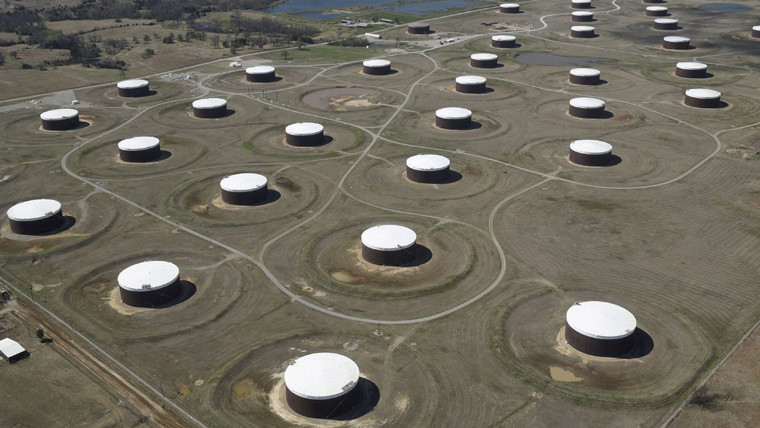
Ölpreise bleiben hoch, da der Krieg das Angebot bis 2027 knapp hält
Während der ersten drei Monate des Krieges der USA und Israels mit dem Iran war die vorherrschende Stimmung an den Ölmärkten, dass der Konflikt jeden Tag enden könnte. Der kurze Waffenstillstand im Juni verstärkte diesen Optimismus, sodass es eine Weile dauerte, bis man den Tatsachen ins Auge sah: Der Krieg würde nicht so bald enden. Er könnte sich sogar bis ins nächste Jahr erstrecken – und das bedeutet dauerhaft höhere Preise. Der ICE Brent Crude Futures-Kontrakt für Januar 2027 wird bei 102,59 USD pro Barrel gehandelt. Der Kontrakt für Juni 2027 liegt mit 92,71 USD pro Barrel nur geringfügi
Wer profitiert von diffamierenden Websites?
Eine quellenbasierte Untersuchung der Berichterstattung über Netzwerke, die beschuldigt werden, rufschädigende Behauptungen über Cluster von Websites hinweg zu kopieren, sowie die damit verbundenen rechtlichen und technischen Herausforderungen bei der Reaktion darauf.
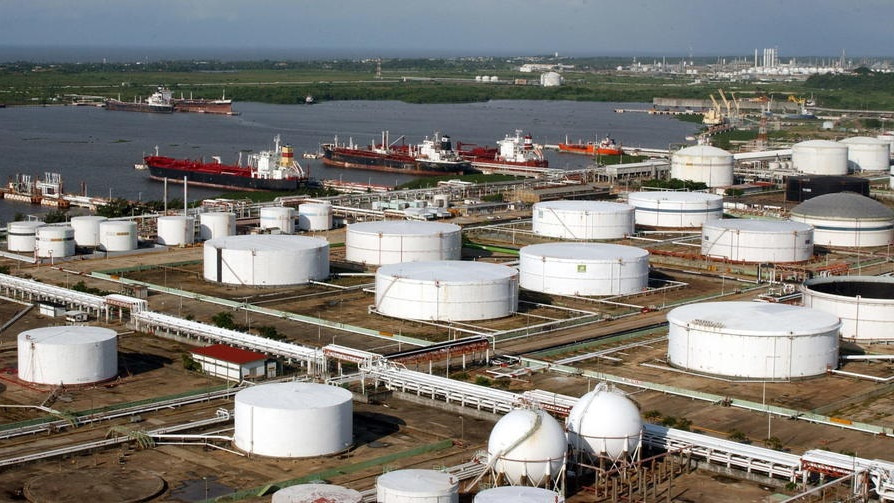
Das neue Normal beim Öl sind höhere Preise
Die Ölpreise gaben am Dienstag nach und machten die jüngsten Gewinne wieder wett, da Investoren Anzeichen einer Erholung der Exporte durch Produzenten im Nahen Osten gegen die Unsicherheit bezüglich des Ausgangs des Iran-Kriegs abwägten. Brent-Rohöl für die Lieferung im November fiel um 1,5 % auf 103,72 USD pro Barrel um 13:10 Uhr ET, während WTI-Rohöl für die Lieferung im Oktober um 2,2 % auf 90,62 USD/bbl nachgab. Die Rohölexporte aus der Region stiegen im September auf 15,5 Millionen Barrel pro Tag, was mehr als 80 % des Vorkriegsniveaus entspricht und der höchste Stand seit Beginn des Konf