
Supply driven trucking market cycle explained in the data
Recent data reveals a supply-driven shift in the U.S. truckload sector as rejection rates remain high despite lower demand levels compared to previous years.

According to a report from FreightWaves, the U.S. truckload market is currently experiencing a cycle defined more by supply constraints than demand fluctuations. Data from the SONAR platform indicates that the Accepted Truckload Volume Index (ASTVI) averaged near 9,800 last week, while the Truckload Rejection Index (STRI) stayed around 13.5%. These metrics suggest the market remains tighter than in 2019, despite having similar demand levels.
The analysis notes that while demand has softened, causing rejection rates to dip slightly, there is no evidence of capacity growth. Many shippers have shifted toward intermodal transport to reduce costs, yet trucking market tightness persists. Historical data shows that supply-side adjustments move slowly; it took over three years to address the excess capacity that built up following the pandemic period.
Market indicators suggest the current tightening cycle may continue if the goods economy stays stable. Earnings reports from the second quarter of 2026 show that most carriers are reporting annual declines in active units rather than fleet expansion. Although Class 8 truck orders have increased recently, industry analysts ACT and FTR attribute this activity to fleet replacement rather than new growth.
Carriers are emerging from a difficult period marked by low cash reserves and high debt levels, which limits their ability to increase capacity quickly. Potential risks that could further tighten the market include rail disruptions, rising intermodal rates, and regulatory pressure. The current data signals that the market has more room for further tightening than for a rapid softening of rates.
Helena Marsh — Energy Markets Editor. Helena covers crude, refined products and the trading houses that move them, with a focus on price formation in the Mediterranean and Black Sea.
Verwandte Beiträge
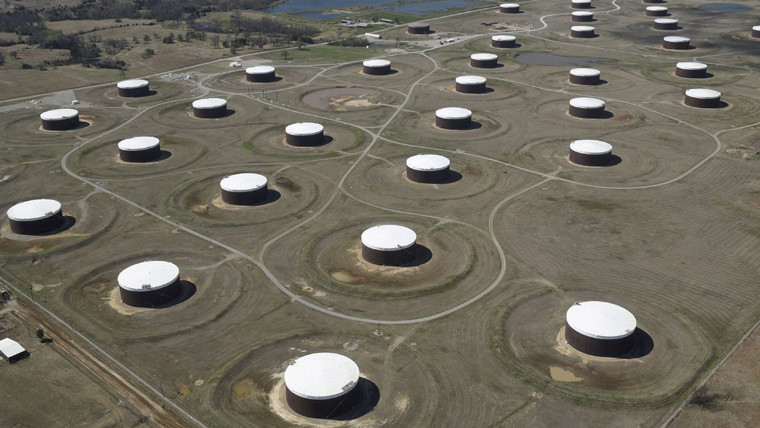
Ölpreise bleiben hoch, da der Krieg das Angebot bis 2027 knapp hält
Während der ersten drei Monate des Krieges der USA und Israels mit dem Iran war die vorherrschende Stimmung an den Ölmärkten, dass der Konflikt jeden Tag enden könnte. Der kurze Waffenstillstand im Juni verstärkte diesen Optimismus, sodass es eine Weile dauerte, bis man den Tatsachen ins Auge sah: Der Krieg würde nicht so bald enden. Er könnte sich sogar bis ins nächste Jahr erstrecken – und das bedeutet dauerhaft höhere Preise. Der ICE Brent Crude Futures-Kontrakt für Januar 2027 wird bei 102,59 USD pro Barrel gehandelt. Der Kontrakt für Juni 2027 liegt mit 92,71 USD pro Barrel nur geringfügi
Wer profitiert von diffamierenden Websites?
Eine quellenbasierte Untersuchung der Berichterstattung über Netzwerke, die beschuldigt werden, rufschädigende Behauptungen über Cluster von Websites hinweg zu kopieren, sowie die damit verbundenen rechtlichen und technischen Herausforderungen bei der Reaktion darauf.
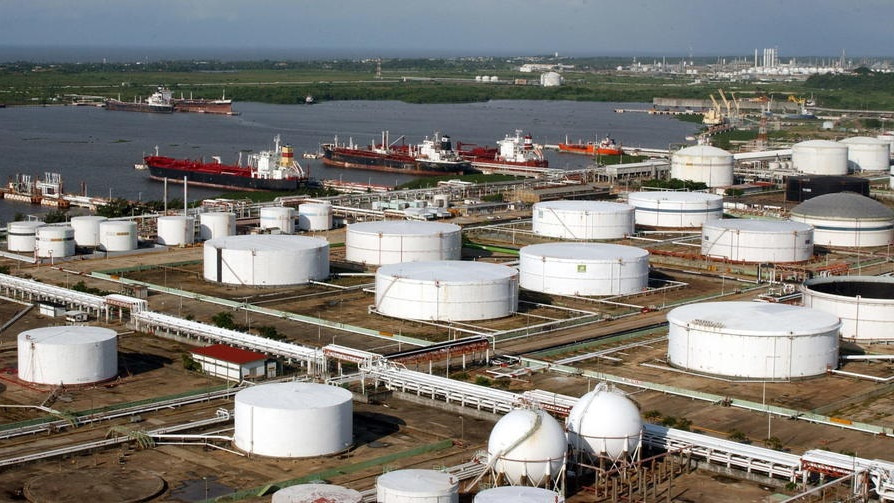
Das neue Normal beim Öl sind höhere Preise
Die Ölpreise gaben am Dienstag nach und machten die jüngsten Gewinne wieder wett, da Investoren Anzeichen einer Erholung der Exporte durch Produzenten im Nahen Osten gegen die Unsicherheit bezüglich des Ausgangs des Iran-Kriegs abwägten. Brent-Rohöl für die Lieferung im November fiel um 1,5 % auf 103,72 USD pro Barrel um 13:10 Uhr ET, während WTI-Rohöl für die Lieferung im Oktober um 2,2 % auf 90,62 USD/bbl nachgab. Die Rohölexporte aus der Region stiegen im September auf 15,5 Millionen Barrel pro Tag, was mehr als 80 % des Vorkriegsniveaus entspricht und der höchste Stand seit Beginn des Konf