
Americold’s Secret to Surviving Power Outages
Americold utilizes heavy insulation and AI-driven pre-cooling to maintain sub-zero temperatures for up to seven days without grid power.
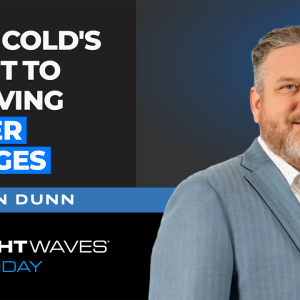
Americold has developed warehouse engineering protocols that allow its cold storage facilities to remain at safe temperatures for a full week during total power failures. According to a report by FreightWaves, these structures function as thermal batteries by utilizing insulation levels roughly 20 times higher than residential freezers. This design allows operators to drop internal temperatures before storms and maintain climate control even when electricity is unavailable.
The company integrates artificial intelligence to manage energy expenses and equipment health. The software monitors regional grid status and peak pricing to automate pre-cooling cycles, allowing refrigeration units to remain idle when utility rates are high. Brian Dunn, a senior executive at the firm, noted that this technology recently identified a single malfunctioning evaporator, eventually reducing the unit's runtime from nearly total operation "down to about 5%."
To combat rising domestic electricity costs, which are expected to grow annually, the firm is benchmarking its performance through industry excellence programs. While high-tech solutions like AI are central to their strategy, the company also emphasizes that basic human oversight, such as ensuring doors remain sealed during extreme heat, is vital for protecting inventory. Beyond food storage, the firm is exploring expansion into pharmaceutical and biological product logistics.
The cold storage market is currently stabilizing following a period of high speculative construction and excess capacity. As less experienced competitors depart the sector, Americold is focusing on specialized services like mixed-SKU pallet builds to distinguish itself. The company is also leveraging its history as a publicly traded real estate investment trust to navigate shifting occupancy rates and broader market volatility.
Editorial Desk — Trade Flow Insight. Reporting and market notes compiled by the Trade Flow Insight editorial team.
Related coverage

Oil Advances Amid War and Hurricane Risks
Oil prices edged higher as Middle East tanker attacks and Hurricane Isaias heightened supply concerns.
Australia to Release Final Plan to Keep More LNG at Home
Australia is set to unveil the final version of a controversial plan to force liquefied natural gas producers to reserve as much as a fifth of their output for local buyers.
Uniper, Biotrend Plan to Produce Biogas in Turkiye for Europe
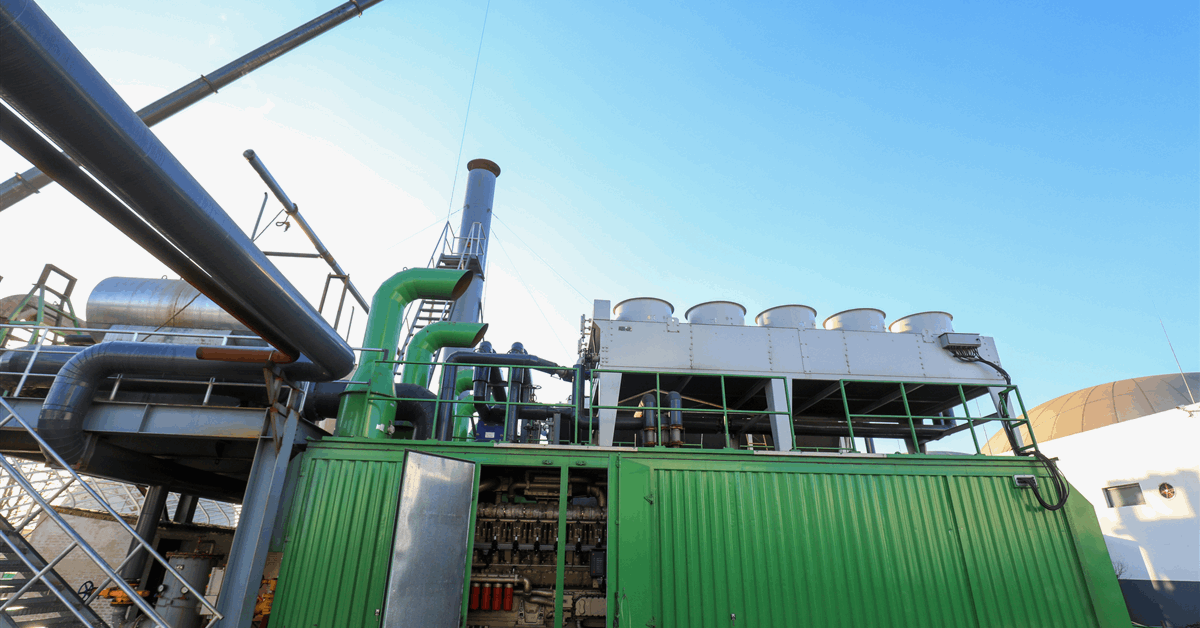
'The cooperation with Biotrend could open up a new source of renewable gas for European markets while further diversifying Uniper's portfolio'.