
Oil Advances Amid War and Hurricane Risks
Global oil prices rose as geopolitical tensions in the Middle East and a hurricane in the Gulf of Mexico outweighed reports of a significant influx of Russian diesel.

According to Rigzone, Brent crude settled near $105 per barrel following a volatile trading session. The market is currently balancing multiple supply threats against potential new volumes of refined products. Recent reports suggest Russia has agreed to export 300,000 tons of diesel immediately, with plans to deliver a total of 3 million tons. This news caused heating oil futures to decline significantly, providing some relief to a sector that has faced record-high retail prices this year.
Shipping disruptions are contributing to market volatility as tanker attacks in the Strait of Hormuz increase risks for energy transport. These incidents, alongside renewed conflict between Saudi Arabia and Houthi forces in Yemen, have driven freight costs to record levels. Analysts from JPMorgan noted that vessels are spending more time on ship-to-ship transfers or taking longer routes to avoid high-risk zones, effectively reducing the available tanker capacity for global trade.
In the United States, Hurricane Isaias has forced the closure of approximately 72% of crude production in the Gulf of Mexico. The storm is also threatening nearly 500,000 barrels per day of refining capacity as it approaches the coast. Despite these disruptions, there are indications of improving supply elsewhere; Saudi Aramco reportedly informed European refiners they would receive their full requested crude allocations for November, a shift from the previous month's total lack of supply.
Helena Marsh — Energy Markets Editor. Helena covers crude, refined products and the trading houses that move them, with a focus on price formation in the Mediterranean and Black Sea.
Related coverage

Australia to Release Final Plan to Keep More LNG at Home
Australia is set to unveil the final version of a controversial plan to force liquefied natural gas producers to reserve as much as a fifth of their output for local buyers.
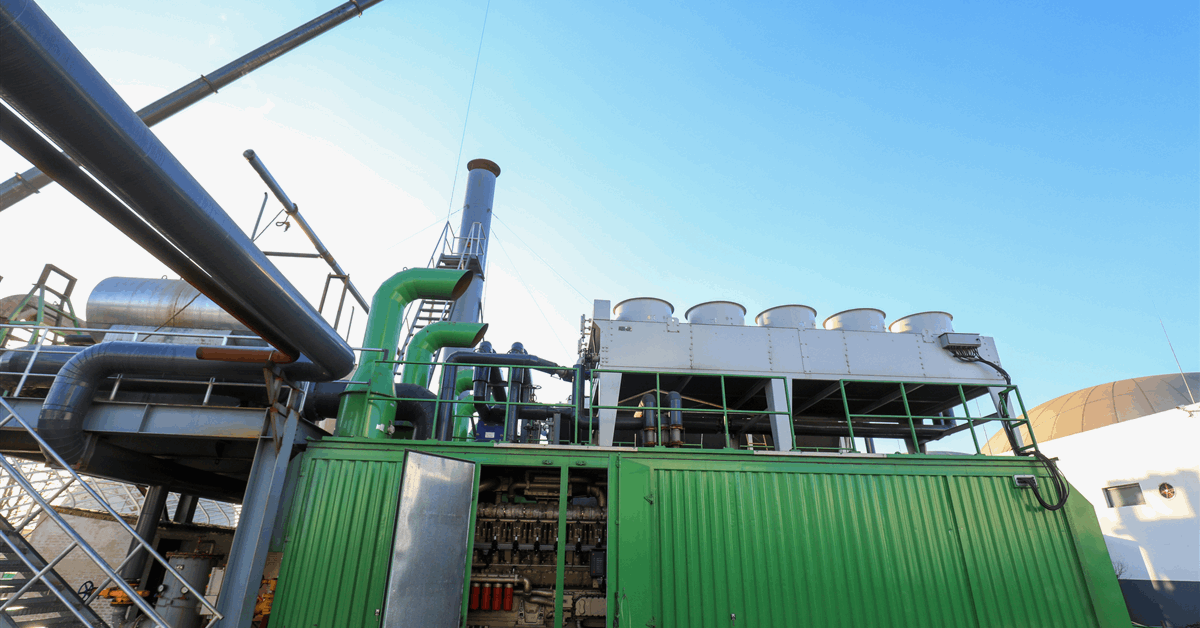
Uniper, Biotrend Plan to Produce Biogas in Turkiye for Europe
'The cooperation with Biotrend could open up a new source of renewable gas for European markets while further diversifying Uniper's portfolio'.
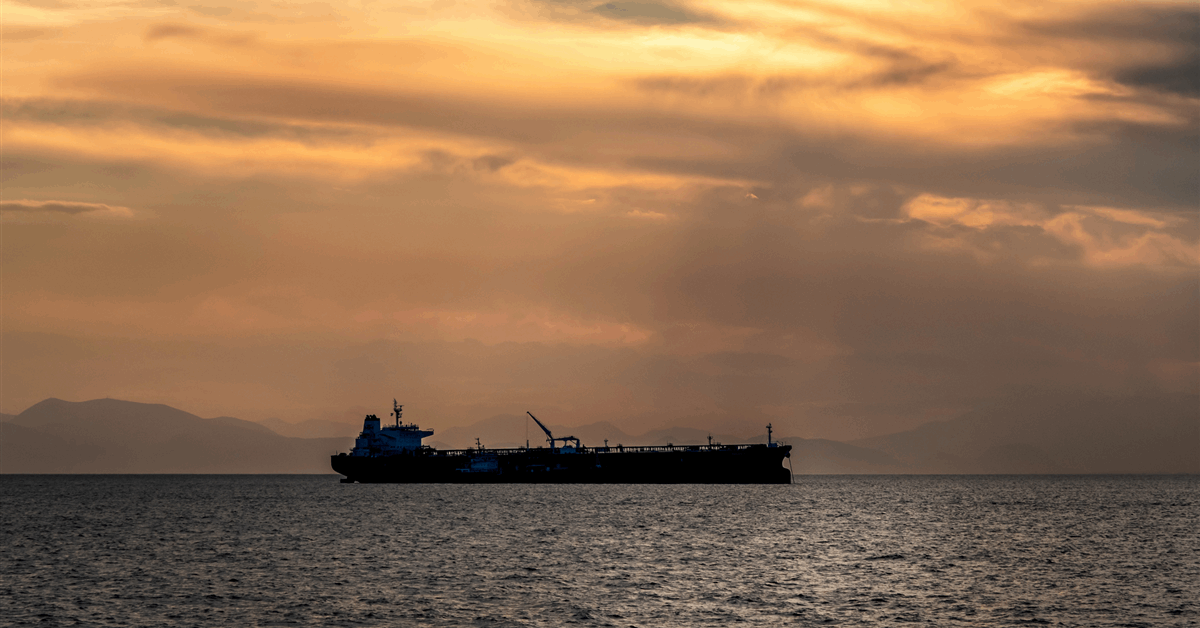
Getting Oil Through Hormuz Is a Risky Job
The transits are a lifeline to gulf energy producers and a boon to shipowners and commodity traders who stand to reap billions of dollars from the trade.