
Getting Oil Through Hormuz Is a Risky Job
Merchant ship captains are navigating high-risk routes through the Strait of Hormuz to maintain global oil supplies amid ongoing regional tensions and military oversight.
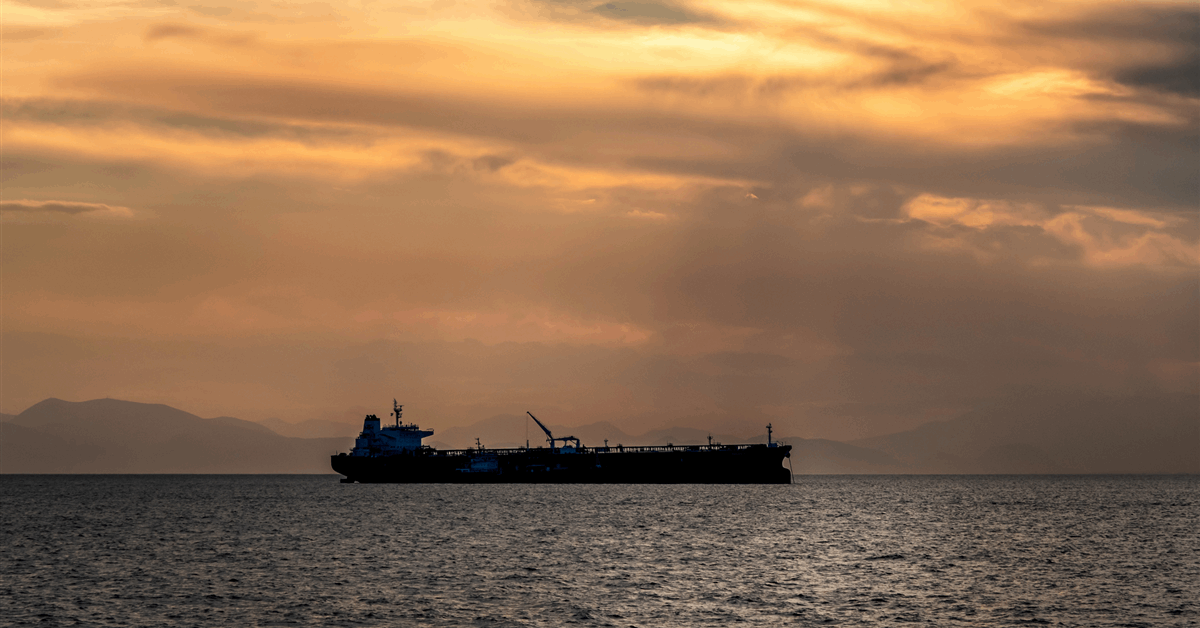
According to Rigzone, commercial tanker captains are utilizing traditional navigation techniques to ferry oil through the Strait of Hormuz as political negotiations fail to stabilize the waterway. To avoid detection, vessels frequently travel at night with their lights and location transponders disabled. The reports indicate that crews are relying on visual landmarks like the Omani coastline and lighthouses, while maintaining strict radio silence to mitigate the risk of targeted attacks.
The United States military has been coordinating closely with shipping firms to provide security corridors and monitor for potential threats from Iranian forces. According to U.S. Central Command, American forces have supported thousands of vessels recently through active protection measures. Captains report receiving specific waypoints from the Navy and are required to provide status updates every half hour, often witnessing military aircraft patrolling the skies above their tankers during the transit.
Despite the presence of drones and missiles, energy analysts at JPMorgan Chase & Co. and Goldman Sachs Group Inc. observe that crude flows are returning to levels seen before recent conflicts. This steady supply is maintained by crews who receive significant hazard pay for the risky journeys. Safety preparations on board include lining bridges with sandbags and keeping fire suppression systems active throughout the crossing to defend against potential drone or missile strikes.
Helena Marsh — Energy Markets Editor. Helena covers crude, refined products and the trading houses that move them, with a focus on price formation in the Mediterranean and Black Sea.
Related coverage

Oil Advances Amid War and Hurricane Risks
Oil prices edged higher as Middle East tanker attacks and Hurricane Isaias heightened supply concerns.
Australia to Release Final Plan to Keep More LNG at Home
Australia is set to unveil the final version of a controversial plan to force liquefied natural gas producers to reserve as much as a fifth of their output for local buyers.
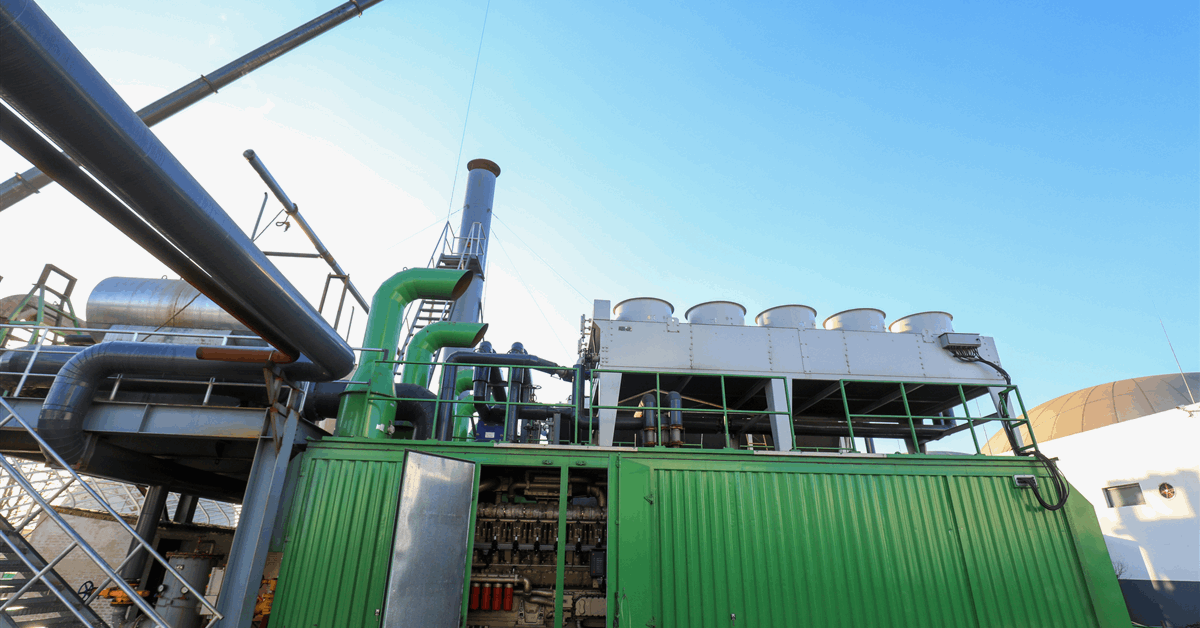
Uniper, Biotrend Plan to Produce Biogas in Turkiye for Europe
'The cooperation with Biotrend could open up a new source of renewable gas for European markets while further diversifying Uniper's portfolio'.