
Uniper, Biotrend Plan to Produce Biogas in Turkiye for Europe
Uniper and Biotrend have signed a memorandum of understanding to evaluate converting Turkish biogas facilities into biomethane production sites for export to European markets.
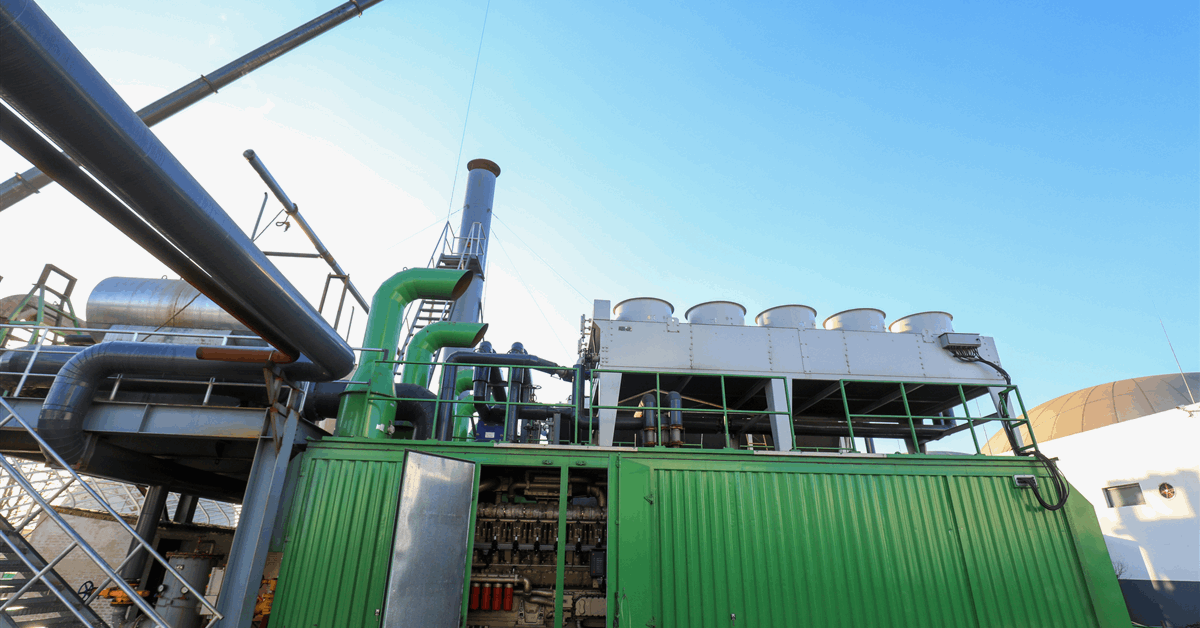
Uniper SE and Biotrend Cevre ve Enerji Yatirimlari AS have agreed to explore the conversion of biogas-to-power facilities in Turkiye into biomethane production sites. According to Rigzone, the partnership focuses on generating renewable gas from organic waste to supply European energy markets. Uniper estimates that Turkiye possesses a total untapped biomethane potential of roughly 50 terawatt-hours annually, while Biotrend’s specific portfolio represents approximately 1.4 terawatt-hours of that potential.
The proposed project involves injecting biomethane into the Turkish national grid for transport through Greece or Bulgaria into the European Union. This process is contingent upon meeting Turkish regulatory requirements and obtaining European certification. Uniper intends to apply its expertise in sourcing, commercialization, and sustainability standards to help facilitate the cross-border flow of these renewable gases. The utility views biomethane as a viable alternative to natural gas for industries where electrification is difficult.
Uniper chief executive Michael Lewis noted that the collaboration could establish a new source of renewable gas and diversify the company's energy portfolio. The German utility has set a target to increase the share of low-carbon and renewable gases in its sales mix to between 5 and 10 percent by 2030. This Turkish initiative follows similar supply agreements in Spain and the operation of a bio-LNG supply chain at the Gate terminal in Rotterdam.
To support these decarbonization goals, Uniper plans to invest approximately 5 billion euros by 2030 into green and flexible generation segments. The company aims for a total power generation capacity of 15-20 gigawatts by the end of the decade, with half of that capacity categorized as renewable or low-carbon. The company maintains that biomethane, alongside hydrogen, is essential for reaching a sustainable energy balance for maritime and road transport.
Helena Marsh — Energy Markets Editor. Helena covers crude, refined products and the trading houses that move them, with a focus on price formation in the Mediterranean and Black Sea.
Related coverage
Oil Advances Amid War and Hurricane Risks
Oil prices edged higher as Middle East tanker attacks and Hurricane Isaias heightened supply concerns.
Australia to Release Final Plan to Keep More LNG at Home
Australia is set to unveil the final version of a controversial plan to force liquefied natural gas producers to reserve as much as a fifth of their output for local buyers.

Getting Oil Through Hormuz Is a Risky Job
The transits are a lifeline to gulf energy producers and a boon to shipowners and commodity traders who stand to reap billions of dollars from the trade.