
Construction of Thames Electricity Tunnel Reaches Midway Point
National Grid's 2.2-kilometer electricity cable project beneath the River Thames has completed more than half of its tunneling distance.

National Grid has reached the halfway point in constructing a new 2.2-kilometer high-voltage cable tunnel beneath the River Thames, according to Rigzone. Since excavation commenced in May, workers have removed over 40,000 tons of debris and placed more than 5,100 concrete segments to line the structure. The project utilize a 464-ton boring machine specifically engineered to manage the difficult soil conditions found under the waterway between Grain and Tilbury.
The new infrastructure is designed to replace an existing tunnel that has been operational since the late 1960s and is now reaching the end of its functional lifespan. This build is part of a broader network expansion known as the Great Grid Upgrade, which encompasses 17 separate infrastructure projects. The initiative aims to modernize the grid across England, Scotland, and Wales to better integrate renewable energy sources into the national power supply.
National Grid also confirmed that it recently secured planning permission for three substations in Nottinghamshire and near Chesterfield to support overhead line improvements. These developments are part of a wider investment strategy that involves billions of pounds in network upgrades. The company expects to renovate approximately 3,500 kilometers of transmission lines by 2031 to meet rising electricity demand and facilitate new connections for data centers and digital industries.
The utility noted that the tunneling team recently set a record by installing 29 rings within a single 24-hour window. This phase of the project follows the use of specialized vertical shaft sinking machinery at the Tilbury and Gravesend sites. National Grid indicated that the boring machine, named after engineer Caroline Haslett, is operating safely in what it described as "the challenging ground conditions beneath the Thames."
Editorial Desk — Trade Flow Insight. Reporting and market notes compiled by the Trade Flow Insight editorial team.
Related coverage

Oil Advances Amid War and Hurricane Risks
Oil prices edged higher as Middle East tanker attacks and Hurricane Isaias heightened supply concerns.

Australia to Release Final Plan to Keep More LNG at Home
Australia is set to unveil the final version of a controversial plan to force liquefied natural gas producers to reserve as much as a fifth of their output for local buyers.
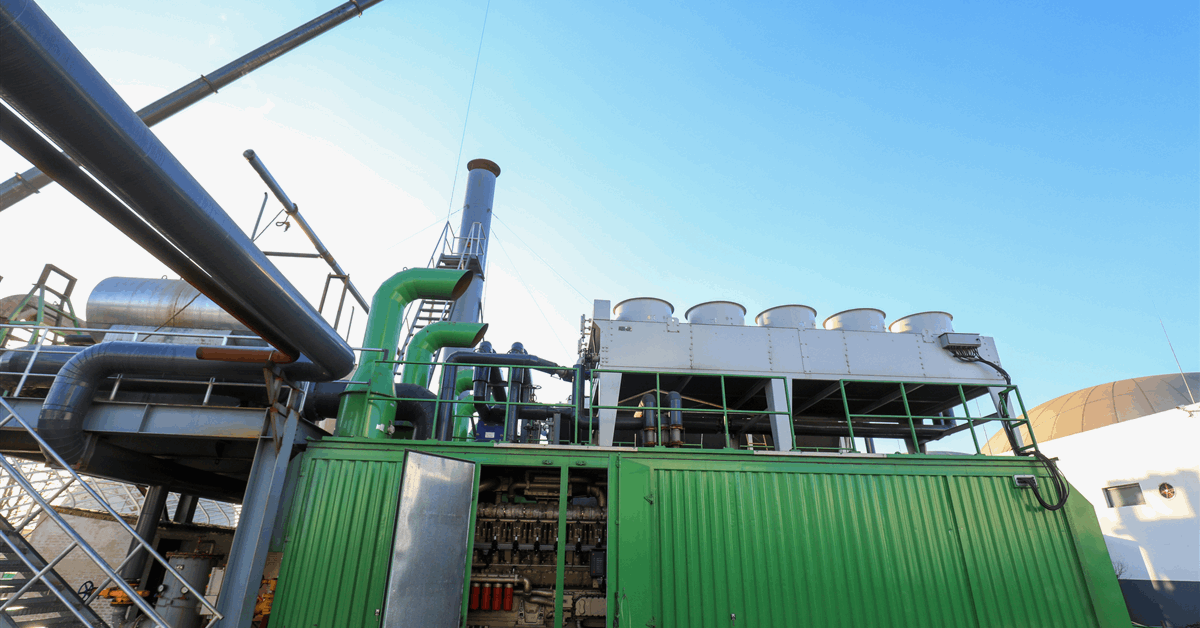
Uniper, Biotrend Plan to Produce Biogas in Turkiye for Europe
'The cooperation with Biotrend could open up a new source of renewable gas for European markets while further diversifying Uniper's portfolio'.