
Duration of power outages in Puerto Rico not caused by major events increased 19% in 2025
New data from the U.S. Energy Information Administration reveals that routine electricity outages in Puerto Rico climbed to 36 hours in 2025, significantly outpacing the mainland U.S. average.

Electricity consumers in Puerto Rico faced a notable decline in utility reliability during 2025, according to a report from EIA Today in Energy. Data indicates that the average duration of power failures unrelated to significant catastrophes reached 36 hours. This figure represents a 19 percent surge compared to the previous year, highlighting ongoing challenges for the island's infrastructure during normal operating conditions.
The analysis separates routine technical failures from Major Event Days, which are characterized by extreme conditions like severe weather or heavy rainfall. While Puerto Rico did not suffer a direct hurricane strike in 2025, secondary factors such as flooding and tropical storm-force winds from Hurricane Erin added 23 hours of service loss. In contrast, customers in the mainland United States typically navigate only two hours of annual outages.
Reliability metrics also show that the frequency of service disruptions is rising alongside their duration. The number of times Puerto Rican customers lost power during the year has doubled since 2021. In 2025 alone, the typical user experienced nearly 16 separate outages during standard operations, a 13 percent increase from 2024 levels, underscoring what the EIA describes as "the grid’s reliability during routine operations."
Editorial Desk — Trade Flow Insight. Reporting and market notes compiled by the Trade Flow Insight editorial team.
Related coverage

Oil Advances Amid War and Hurricane Risks
Oil prices edged higher as Middle East tanker attacks and Hurricane Isaias heightened supply concerns.

Australia to Release Final Plan to Keep More LNG at Home
Australia is set to unveil the final version of a controversial plan to force liquefied natural gas producers to reserve as much as a fifth of their output for local buyers.
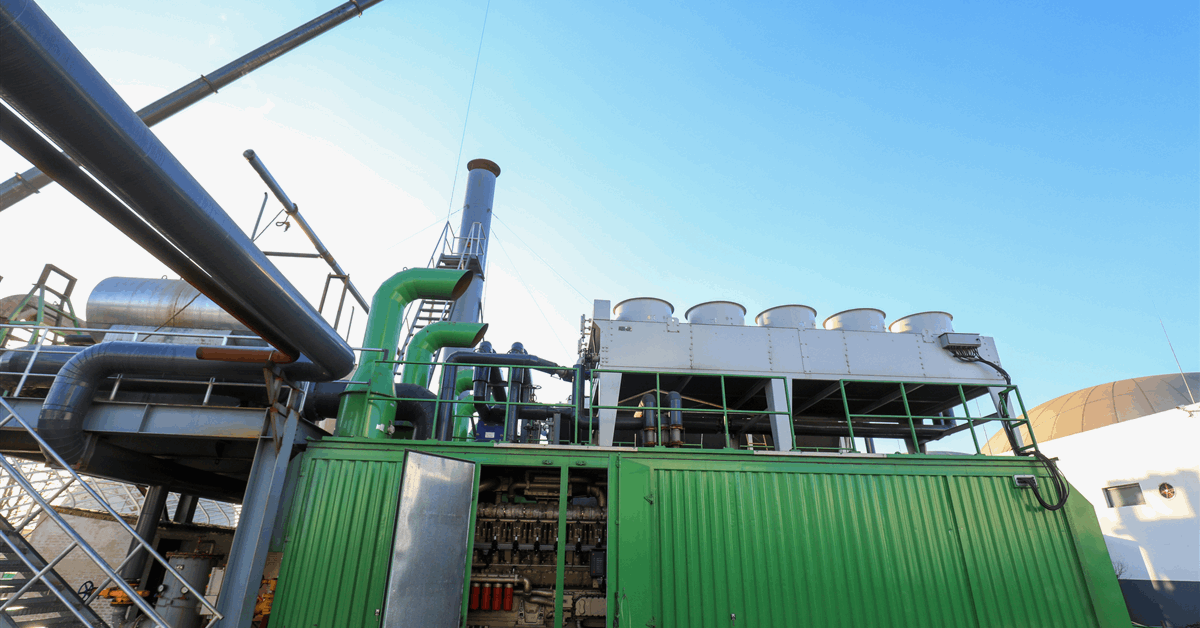
Uniper, Biotrend Plan to Produce Biogas in Turkiye for Europe
'The cooperation with Biotrend could open up a new source of renewable gas for European markets while further diversifying Uniper's portfolio'.